All posts by Pete

A Fine Friday

Another productive day. Whoohoo!

But…. before we talk about today, Kevin gave me some tracks from the choirs we recorded in Gbintiri that you have to hear :-)

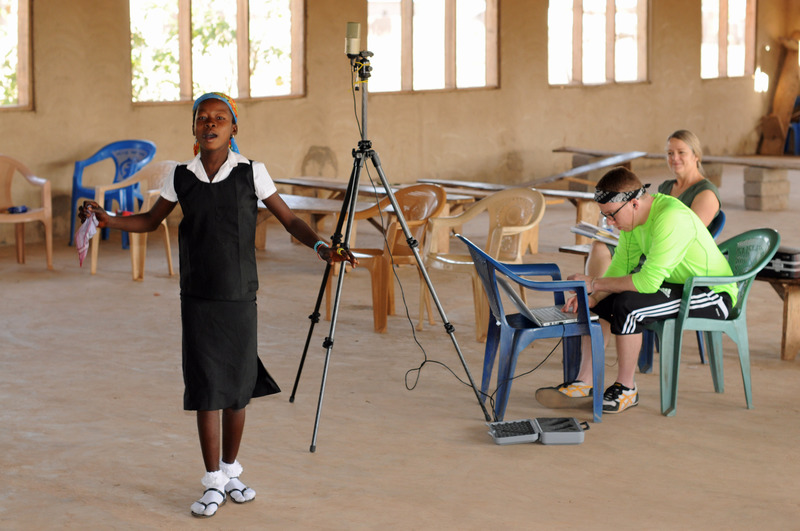
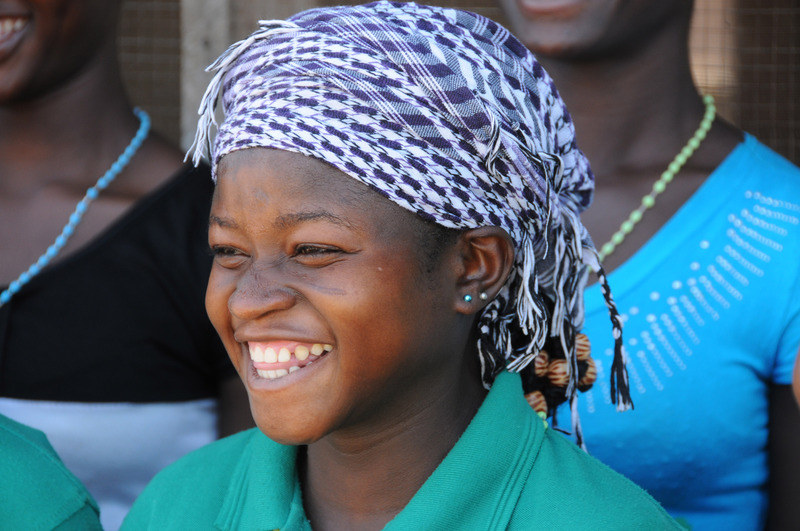
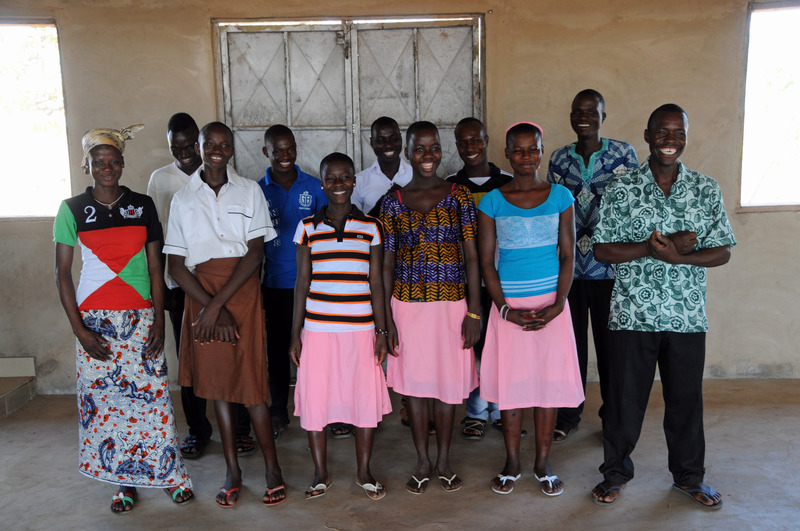
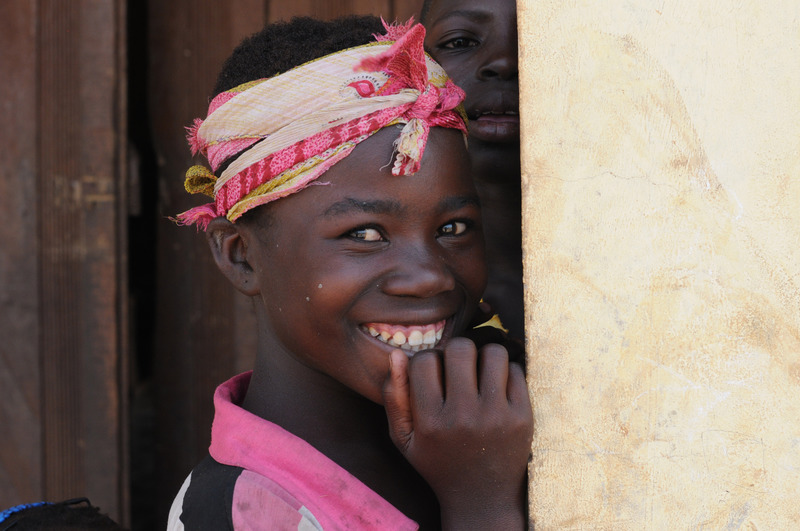
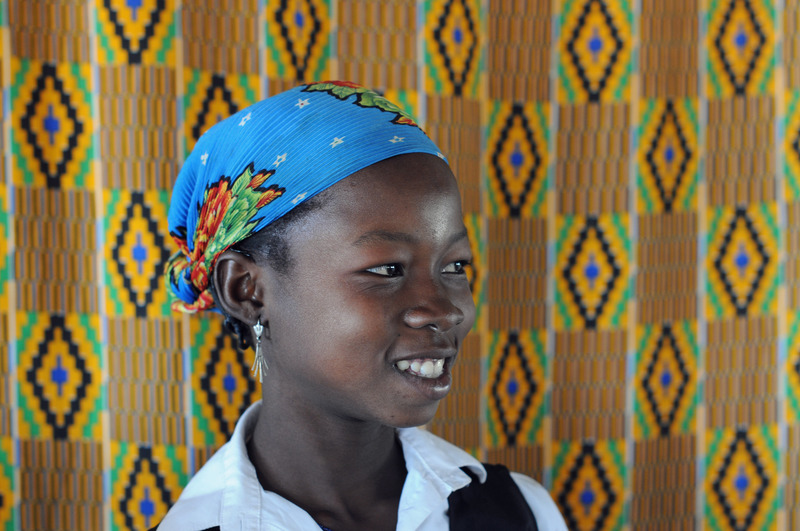
The first part is the “caller”, so don’t turn up your speakers too loud or you will get quite a surprise when the choir joins in. This track is a bit over 4 minutes, but well worth it. The choir leader is the beautiful young lady below. We thought she might be 12 years old.

The choir leader
The choir leader

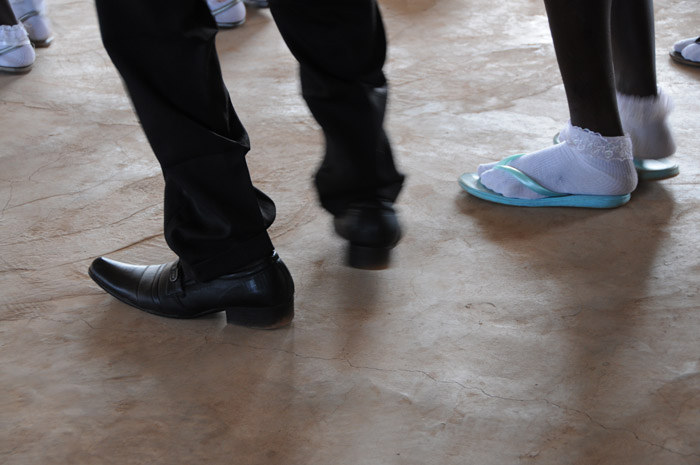
The girls wore cute little white socks with flip-flops, and the boys had black shoes. The shuffling you hear in the background is their stomp-step.

DSC_6306b

The girls danced with little bandanas in their hands

The “caller” style is the most common choir type here, and the melodies and rhythms come from their homes and villages. Many of the pieces were composed by the groups themselves. The cement walls and tin roof of the church gave wonderful reverb.

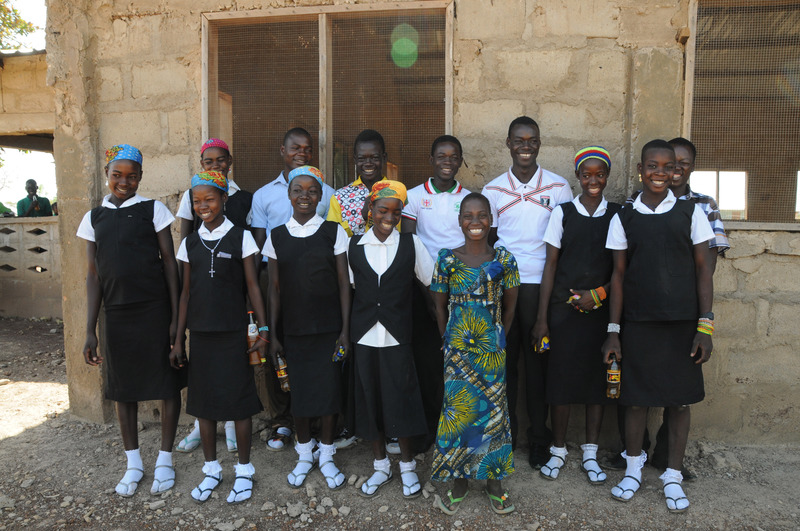
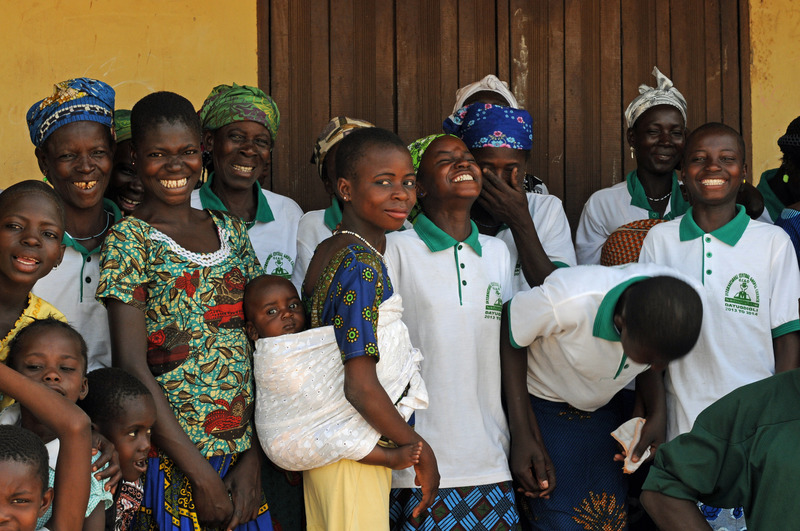
The choir posing for a picture outside of the church

Each of the choirs had prepared about 6 numbers. I really can’t describe how much fun it was to hear them sing. On Sunday we will try and record a small choir in a village near Zamashegu.

The other choir you can hear today is an older group, with an accomplished choir leader calling out the songs he has composed himself.

Another choir leader

Here is a sample of his music:

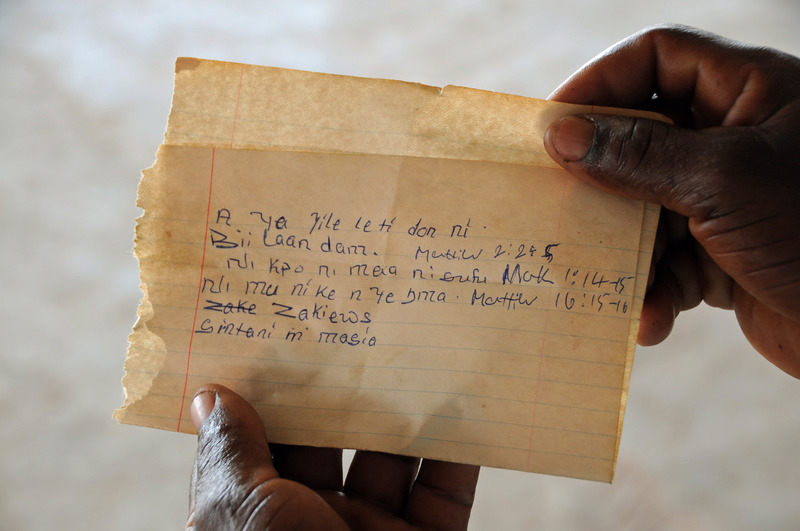
The second-to-last song on the choir leader’s sing-list was about Zacchaeus, but other than picking out that word, we didn’t do too well understanding Komba

DSC_6427

DSC_6327

DSC_6349

DSC_6433

So… back to today…. my eyes are drooping and I’m falling asleep, so I better wrap this up.

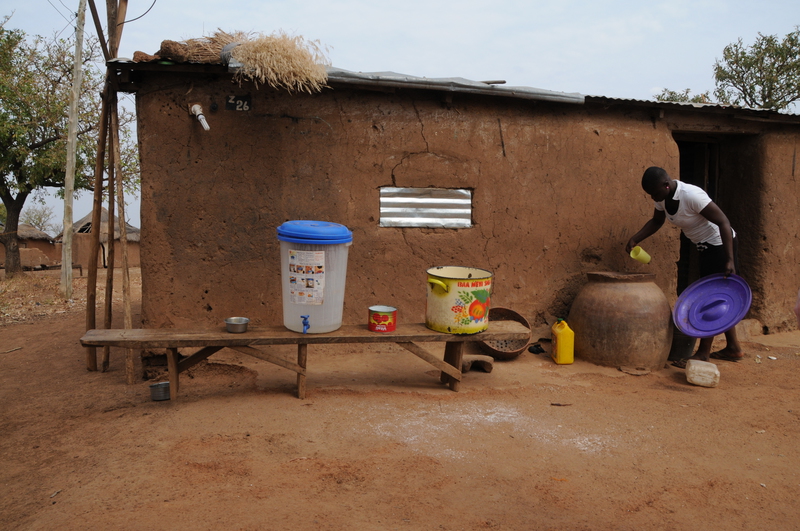
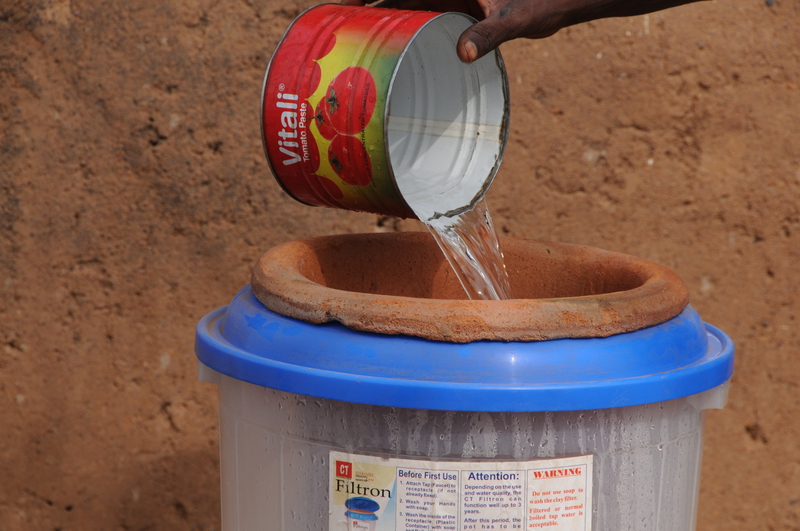
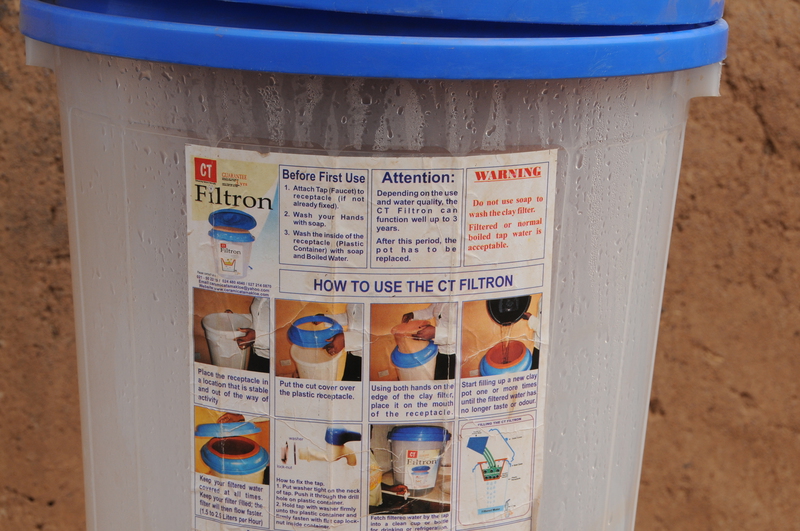
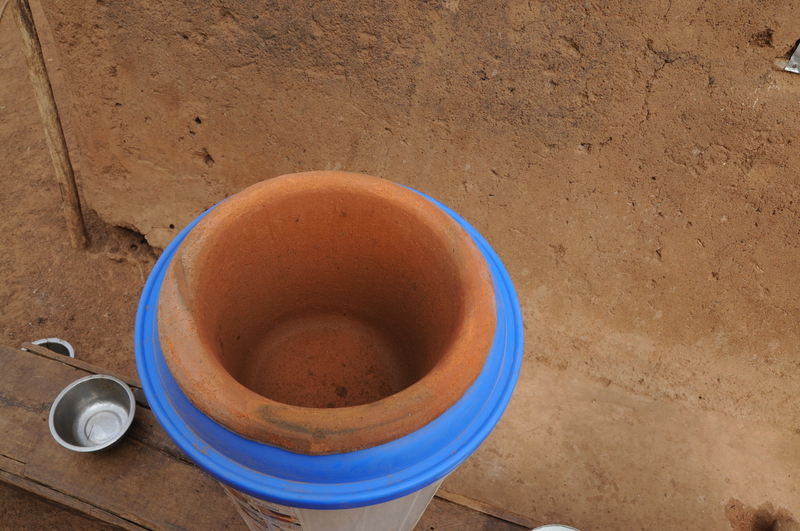
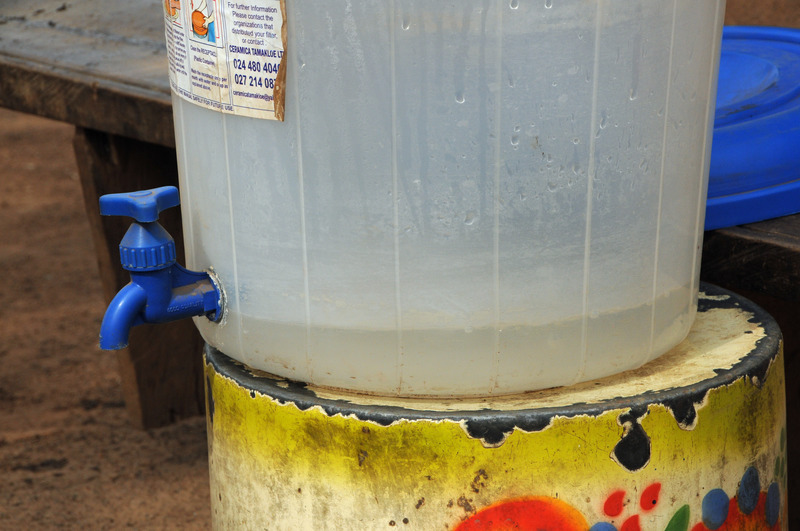
We spent some time checking in on the water filters that we had test deployed a year ago. Pastor Paul’s water filter seemed to be working fine:

DSC_6756

DSC_6772

DSC_6760

DSC_6764

DSC_6778

The ceramic filter is simple to use, cheap, lasts several years, and can be cleaned with a brush. The current plan is for MVH to set up the delivery of several hundred of the units to some of the very very remote areas without wells (bore holes). His trip is scheduled for March. They are looking forward to his visit.

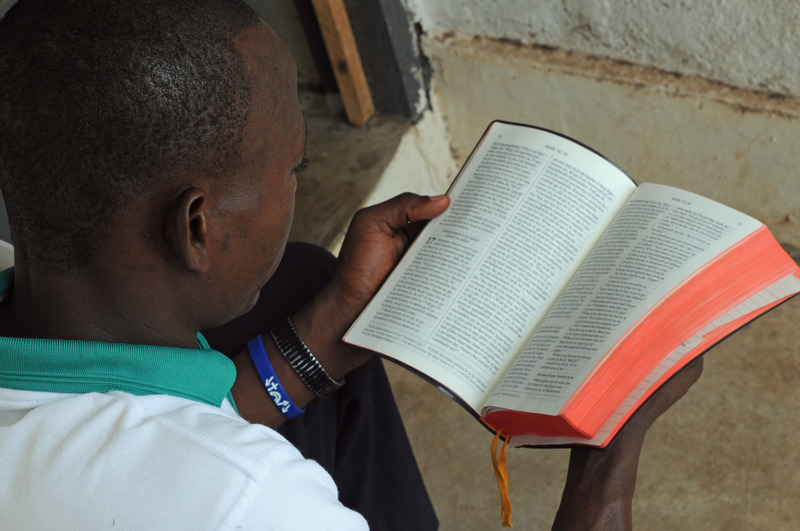
The other work today was recording Pastors Peter and Paul tell Bible stories in Komba. They were quite practiced and quickly made it through about 12 records.

DSC_6749

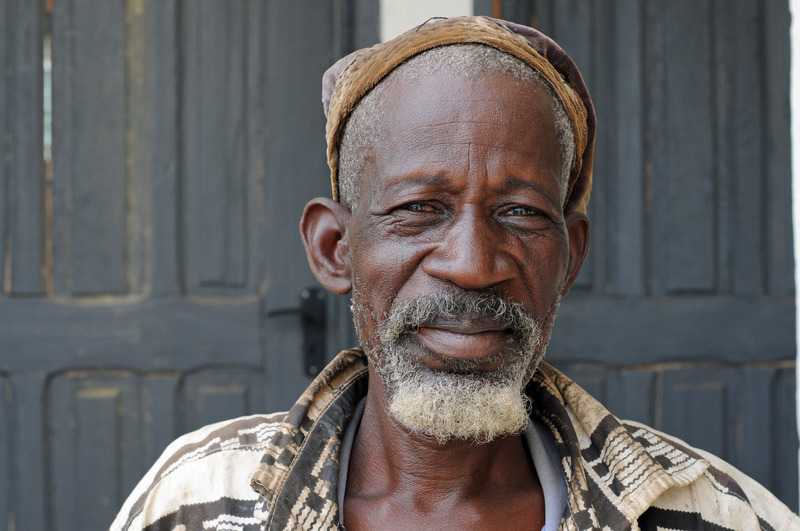
The Chief of Zamashegu

DSC_6747

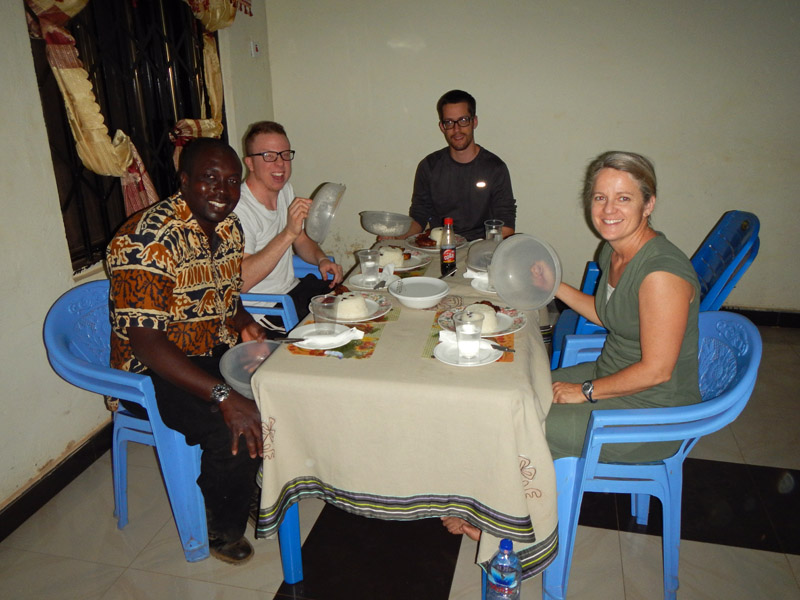
Oh, and Roger did end up enjoying Dinner with us. Here is a before and after picture.

IMG_6565b

DSCN0057B

Ok, I’m falling asleep on my laptop… Good night.

In Tamale

Sorry for not having time to blog. We will catch up tomorrow with a nice long post. Yesterday we drove far far into the bush and recorded a choir and several more Bible stories in the Komba language. I have a lot of fun pics, but here is just one, until we have time to explain more:

DSC_6797b

BTW, did anyone listen to the choir audio files I posted? Did you enjoy them?

This morning we had some changes to our plan, but eventually drove out of the bush and to Tamale. In the morning we fly to Accra, and begin preparing our trip home.

Dayugdigili

Catching up:

On Saturday we zigzagged down the road from Gushegu toward Zamashegu.  The road is wide, sufficient for three trucks to drive in parallel.  However, there is usually only one good path.  Flying along at 60-80kph does not give enough time to always guess correctly, and Nathan levitated out of his seat and smacked his head on the roof of the truck on more than one occasion.

Several miles south of Zamashegu we turned West into the bush.  The electrical lines follow the main roads, and within moments we entered a land where strong calloused hands build homes, plant crops, and wash clothes.   Our destination was the village of Dayudigili.  Larger villages have a government-built concrete school building with 4 to 5 classrooms.  The building is always open.   Rough-hewn wooden desks face a blackboard painted on the concrete.  On Sundays, the classrooms become a church.  Today, however, the rooms will be a recording studio.  As we setup, curious children peek in, eyes wide.

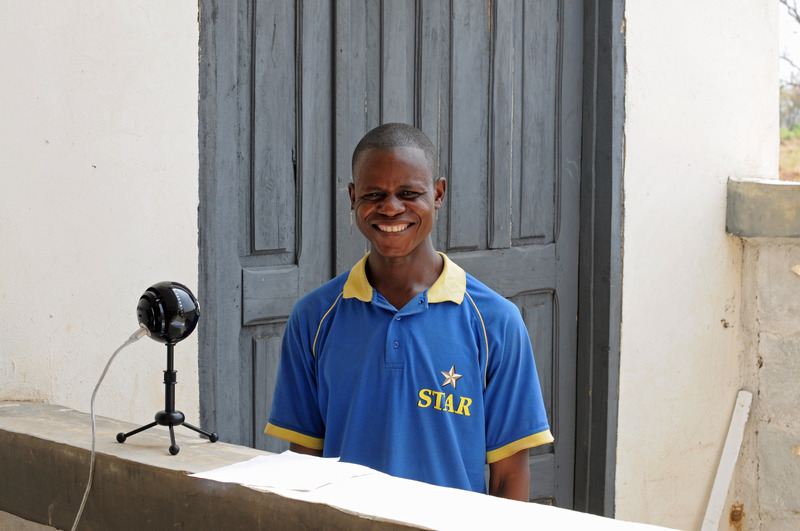
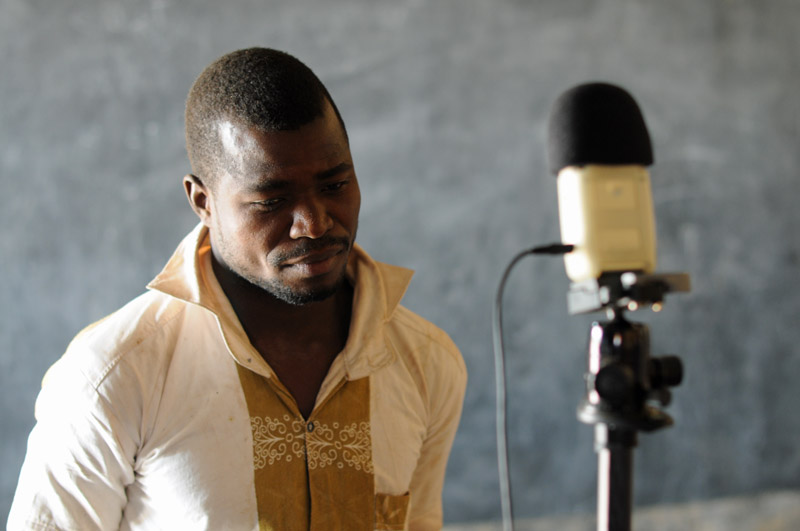
Kevin and Nathan test the room for sound dynamics and we setup the microphone on my tripod with an elastic strap.  The choir is cautiously smiling, nervous, and looking at our equipment a bit of apprehension.  We set the drums up outside the building, under the porch, knowing they would deafen us in the small classroom.

DSC_6834

DSC_6844

DSC_6849

DSC_6852

Sound check…. The choir’s energetic singing and thunderous clapping overwhelms the microphones and has us all laughing.  Yes!  Wonderful, but we can’t let them clap.  We tried to limit it to 4 people clapping…. Finally we had to select three people who clapped like a polite dignitary on the heel of their hand to get the balance of the singing and clapping.  We had to coach the men of the choir to sing out a bit louder, but their praises were fantastic.  They had three different callers, each with about 2 songs.

Moms sung with their babies snuggly tied to their back.  When infants started to squeak, the moms would loosen the cloth, spin the baby to the front, and nurse them while singing — never losing a beat.  Then, when baby was happy, they got spun back around and cinched up. Wonderful.  Since mommy modesty is unknown here, I don’t have any pictures of the choir singing :-)

We did eventually try the drums… but had to move them another 15 yards into the field next to the school :-) However, it was inspiring, and the choir sang much more energetically with their drums pounding out a wonderful beat.

DSC_6864

DSC_6874

DSC_6917

Just magical!.


Finishing Strong. Home

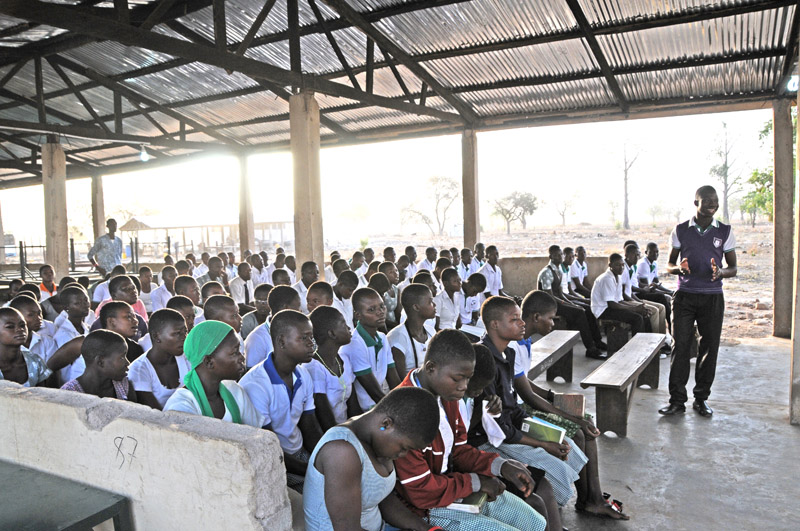
On Sunday morning, we attended two church services. At 7:00am we met at the Gushegu high school. Kids from the surrounding villages live at the high school. As our truck bumped up the path we passed students hand washing their laundry in pails of water and completing other chores. Students here have to be independent and responsible.
DSC_6990

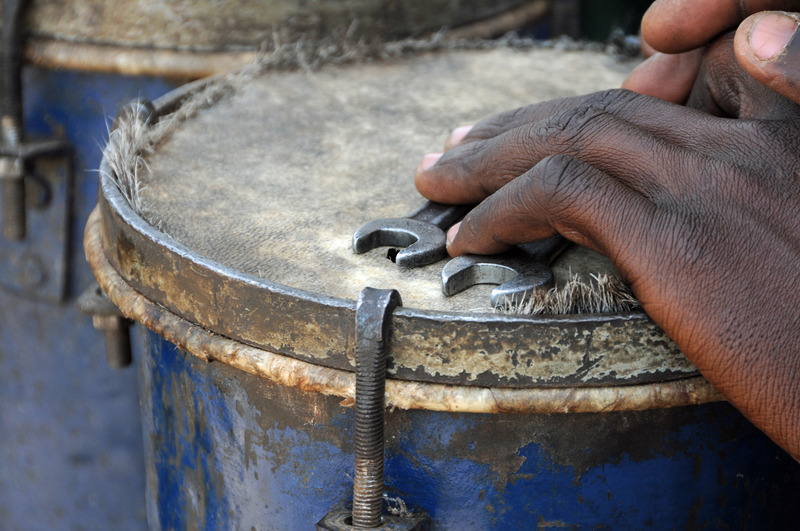
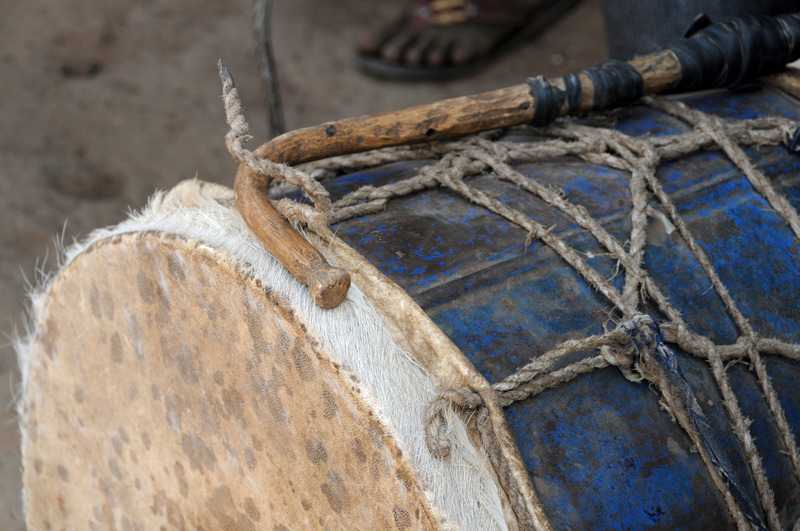
Student leaders have organized a weekly Sunday morning church service in the open-air dining hall. A drum set made from rebar (steel rods for reinforcing concrete) and frayed and torn goat skins set the fast and exciting beat as the youths sang out with joyful voices. After a couple warm-up songs they started a dance train up the aisles that merged into a slowly rotating swirl of shuffling and smiling students. It was wonderful to see the youth taking responsibility for everything. Ray delivered the message, in wonderful energetic and dramatic African style, but nevertheless, we finished exactly on-time since the cafeteria needed to be returned to service and host breakfast for the students. We met several more of the Christian college graduates who have chosen to spend their year of national service teaching and mentoring the students. Some of the students we met will go on to college, and we hope some of them will choose to return to Northern Ghana for their national service — living in mud huts and teaching school for a year as they reach out and connect with a promising generation. However, like the United States, Ghana is struggling with a new, destructive, prosperity theology. “Generation Me” as some of the local pastors call it. It is corrosive, and I pray that we can guide our suburban kids differently.

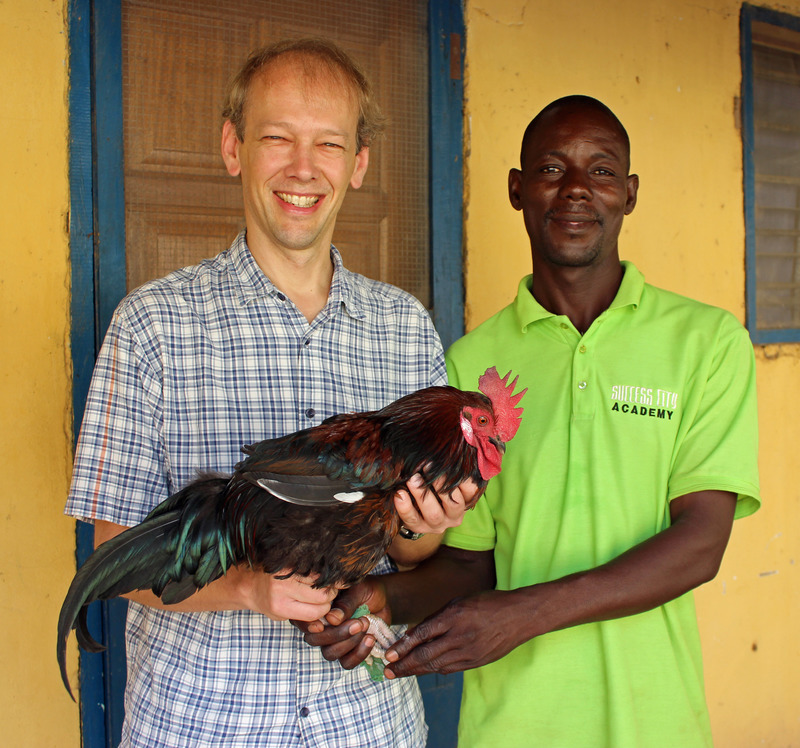
By 8:30 we were heading back to the hotel to pack up and check out. Accommodations in Gushegu were Spartan, but just fine for us. Rooms had wonderfully refreshing cold showers (when our host Simon turned on the water pump), and each room had a ceiling fan over the bed and mosquito screens over the windows. The Price? $16 a night! That’s a scant $8 per person for the double rooms. Breakfast and lunch were extra, but priced accordingly, and we got a discount for brining our own rooster, which the hotel slaughtered, plucked, and cleaned for free. Maybe we should write a travel book – “Ghana on $13 a day” :-)
DSC_6926

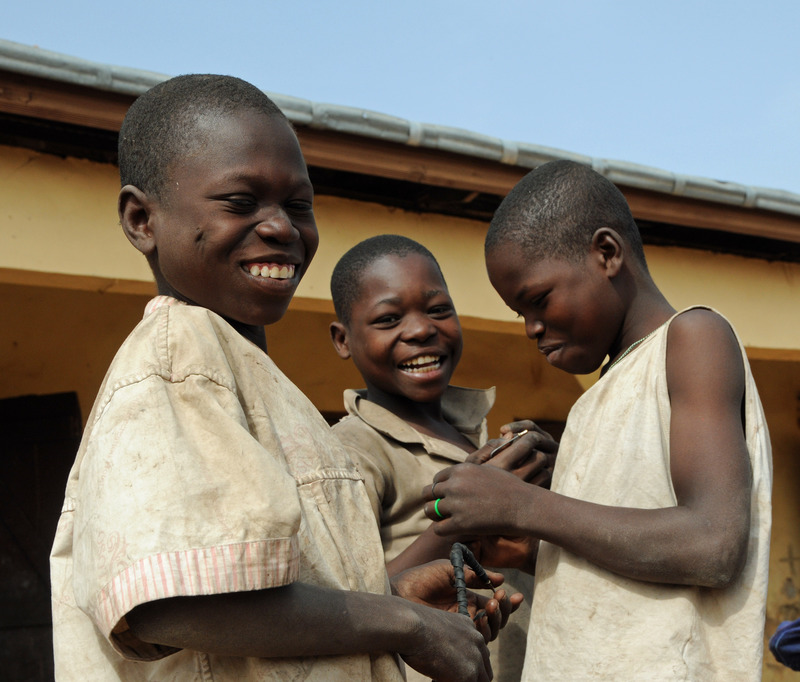
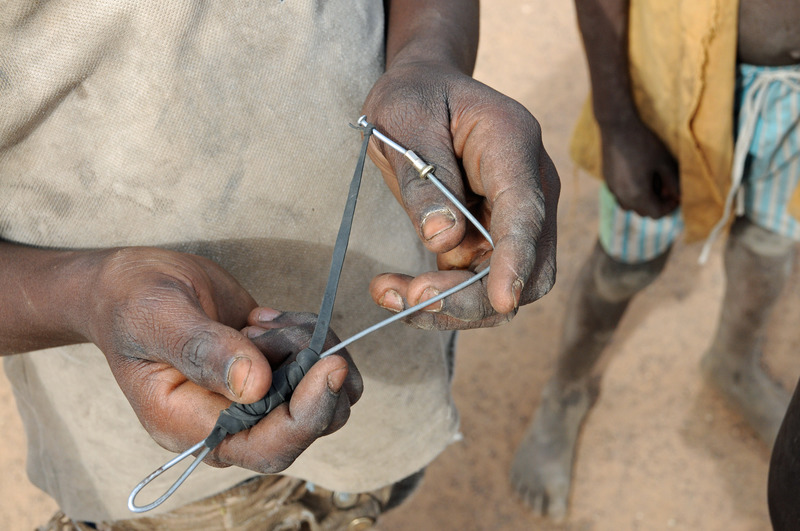
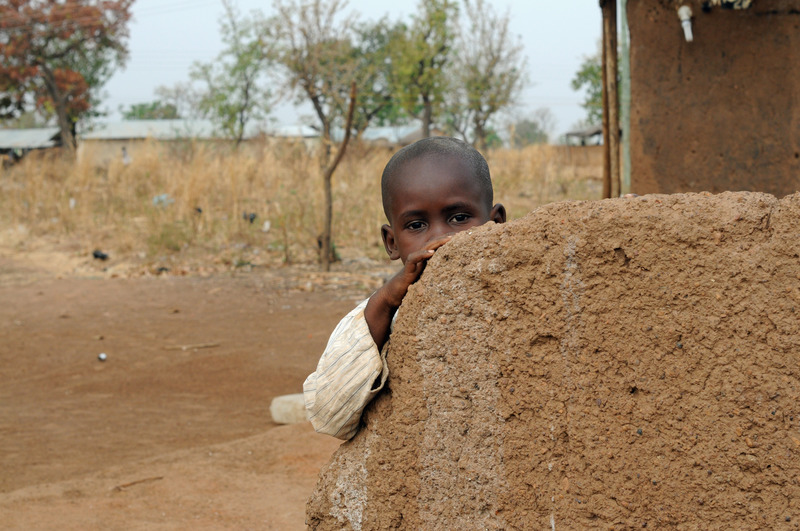
Ghanaians are resourceful. Everything can be reused and rebuilt many times before it finally becomes “spoiled”, as the locals call items that are broken. The little kids fashion toys from every conceivable bit of scrap. Carefully study the toy below. Take a moment to imagine the raw materials. Cyclists will recognize that the body of the toy is a bent bicycle spoke. The brass tip is the nut that would be used to tighten the spoke in a wheel. The rubber strap is cut from a bit of bicycle inner tube, which is often fashioned into motorbike bungie cords. Finally, tied to the end of the strip of rubber is a small nail that fits perfectly into the end of the spoke nut.
DSC_6928

The boys laughed as I tried to determine what it was, playing charades and holding it like a sling shot. What on earth could it be? The boys then proudly held up the missing component – two kitchen matches. The toy would not work without two matches. Ingenious! Ponder for a few moments before reading on….

The two kids knelt down. The tip of the nail was used to scrape the reddish match heads into the spoke nut. It was cautiously and expertly packed. The nail was then seated into the carefully prepared material. The boys then turned the handle so the head of the nail was facing down and smashed it against a rock. Bang! A pleasing gunshot sound, puff of white smoke, and the odor of sulfur had everyone laughing. They had built an ingenious cap gun.
DSC_6980

DSC_6944

DSC_6952

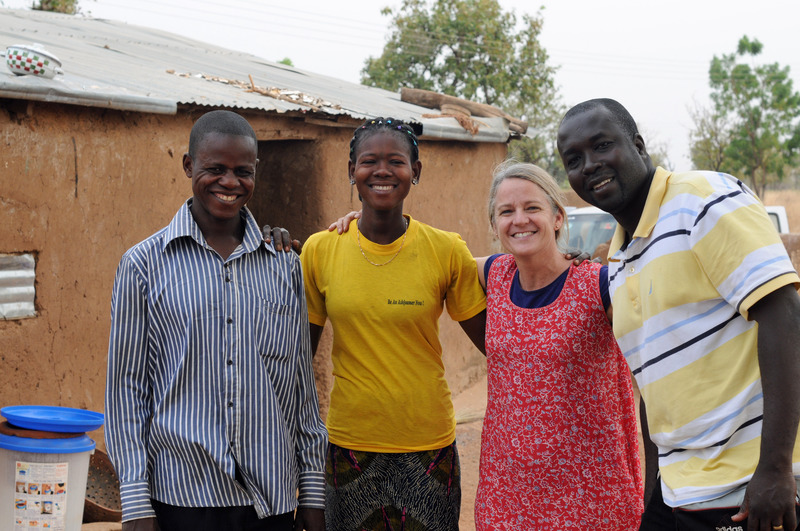
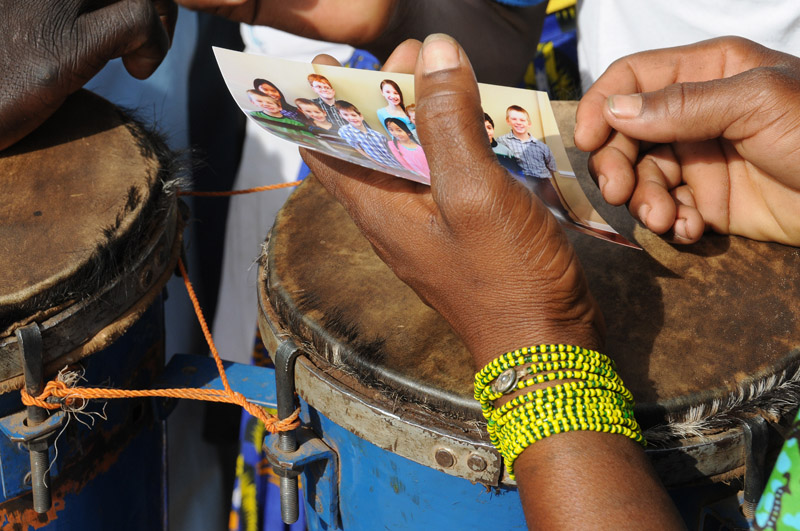
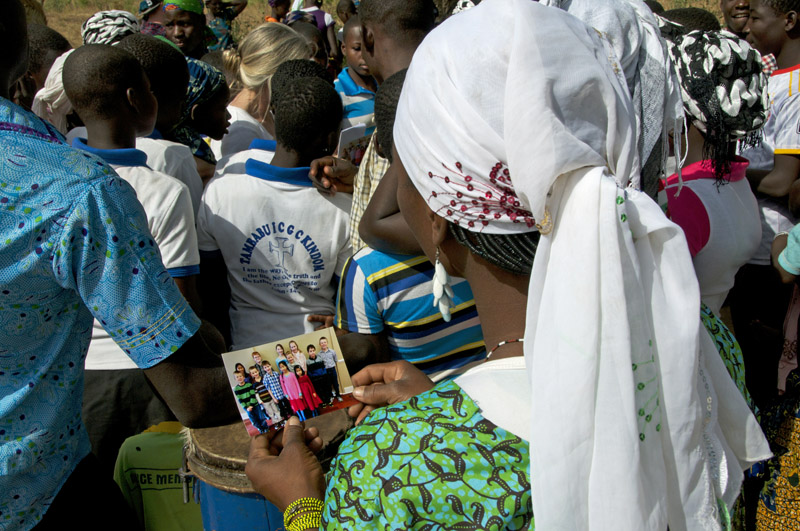
In Zamashegu, the church service was outside, under the trees. Purple, yellow, and pink dresses, drums, little kids playing quietly, moms caring for babies, and dusty warm breezes once again set the stage for a joyful celebration. Sadly, we had to leave early, since we needed to drive another 2.5 hrs to Tamale. It would have been fun to play soccer with the kids using one of the balls we left behind. Having our butts kicked would have been terrific fun — maybe next time. Before leaving Beth passed around a picture of the kids from our church in Aurora that had raised the funds for a Bibleplus+ unit. I wish I had been quick enough to photograph the curious grins as they studied the faces of our kids.
DSC_7045

DSC_7042

Back on the dusty road it was only about 45 minutes until we hit pavement. The mud huts slowly gave way to rusty metal shipping containers fashioned into shops and small cement block buildings. As I drove, I looked back at Komba-land in our rear view mirror. We will miss you. You will be in our prayers.

The regional capital of Tamale seemed like a sprawling metropolis compared to the little villages of the last week. The team enjoyed a celebratory dinner of local Ghanaian dishes, including guinea fowl, beans, rice, and of course smoky, spicy, hot sauce. We had recorded hours of raw audio in Komba-land, and had much more work to do, but we took the evening off and packed our bellies with juicy meat, spicy rice, and cold water.

At 3:30am, Ray began driving the truck toward Accra. It is a 10-hour drive. Oooof. We had the easy job, we slept in, and then took a taxi to the airport. A short plane flight later and we were in Accra and setting up our studio once again on the Korum’s dining room table. Jeff and Laurie Korum are missionaries in Accra and kindly let us use their house. Beth, Kevin, Nathan, and I then started assembling the audio tracks and using the toolchain to build the material that would be on Bibleplus+ Version 2.0. When we were finished, we had 10 sample units for Ray to pass out to the Komba speakers the next time he is up North. It includes the New Testament in Komba, 5 choirs, each singing 5 or 6 songs, 24 Bible stories told in the pastor’s own words, many prayers and testimonies, and the community health information. In several months we should know if the new material is ready for larger distribution. Whoohoo. There is of course a lot more work for Kevin, Nathan and Beth once we get home, but with the production of the V2.0 prototype, we can call the trip a success. Thanks for everyone’s prayers and support.

We finally had free time in Accra, and in the evening when Ray arrived we went to his house for dinner. His wife Cynthia and her sister Mavis had cooked up a fantastic dinner for us. “Red Red”, Beth’s favorite Ghanaian dish, was the main course. Black-eyes peas cooked with red palm oil, goat, and tuna is served with deep fried red plantains – Red Red. Cynthia had also made a spicy chicken and sauce and “kinkay” (I don’t know the spelling), which is fermented corn meal dough that is then cooked. Ahhhh – we once again filled our bellies and then enjoyed our time together with Ray’s kids, Esi and Joseph. Joseph was curled up on the couch asleep by the time we started saying goodbye and praying together.

The last day was spent doing a little shopping at the local market. Of course, we could simply shop from the truck at the traffic lights. Here in Ghana, wherever there is a traffic backup, there are people walking between the cars with everything you can imagine balanced on their heads – from electric bug zappers and food to rolls of toilet paper. It is all for sale within 15 seconds.

We are home, and it is freezing outside. Thank you once again for your prayers and support. We bring greetings and thanks from the people of Komba. Our most difficult task now is to not forget. We must use the photos, audio, and video to remind us of the broad smiles and warm hearts in Komba-land. They are our brothers and sisters in Christ. It is a wonderful feeling indeed to know they are lifting their voices in praise and praying for us as well.

I’m already missing the colors, sounds, smells and rhythms of Africa. Maybe Paul will play something for me with his new talking drum.

Introducing the Team

It is a world away. Africa. This will be our 4th trip to Ghana, and while I feel pretty comfortable traveling to Africa, the preparations for this trip have been staggering. High quality microphones, lithium batteries, food, first aid kits, software, cameras, tripods, mosquito nets, soccer balls, kick balls, toys, and the list goes on. We have spent months preparing, and suddenly, later today we will be on flights to Accra.

Ghana
Ghana

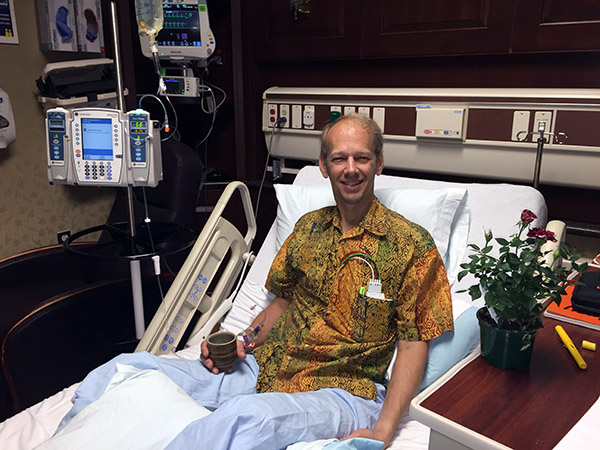
Of course, the trip started with a pre-adventure. I can’t think of any other trip I’ve led that started with an adventure before the adventure. We were initially scheduled to depart in January. But on January 2nd I was admitted to the hospital with a rather serious blood infection, and despite my careful and detailed instructions to the doctors and nurses that I needed to be on a plane in two weeks, our plans changed. My African shirt brought smiles to the cardiac ward, but didn’t seem to adjust the speed of my antibiotic drip.

Spa Edwards Hospital

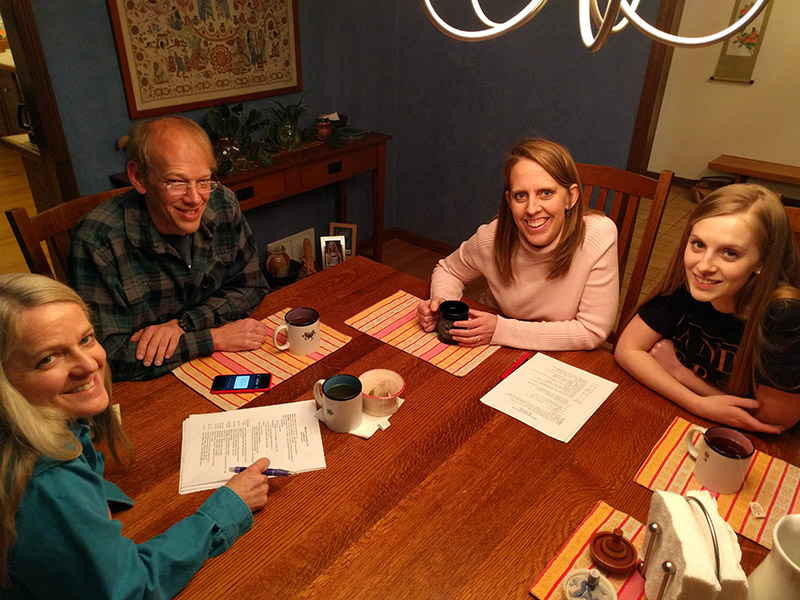
The USA Team:

Before we dive into plans, agendas, and goals, we should stop and take a break for introductions (oldest to youngest :-)

Beth Beckman: Beth works for OWM as the Africa partner coordinator. She works with Ray Mensah, a Ghanaian who lives in Accra. He is the director of the African work. Beth has been working for years leading the effort to develop and distribute the Kamba-Language Bible audio players and coordinate the deployment of clean water filters.

Pete Beckman: I’m the team lead, responsible for health and safety, technology, crazy 4×4 driving, perl scripts, lead photographer, and cooking. For this trip, I’m known mostly as Beth’s husband. I occasionally smuggle botfly larvae back to the USA.

Laura Van Huis: Chief Fun Officer. Laura lived in Ghana for two years — but that was 20 years ago. This will be her first time back, and I’m guessing it will be hard to recognize Accra. Laura is the mom to five kids, two of whom attend NCA, where Laura also helps teach occasionally.

Emily Van Huis: Emily is a Junior in high school at NCA. She spends leads the children’s choir at church and teaches them to sing with gusto and hand motions, plays in piano in competitions, and runs the sound board and video system during church services. She will be helping me with the recordings.

The USA team: Beth, Pete, Laura, and Emily

The Plan:

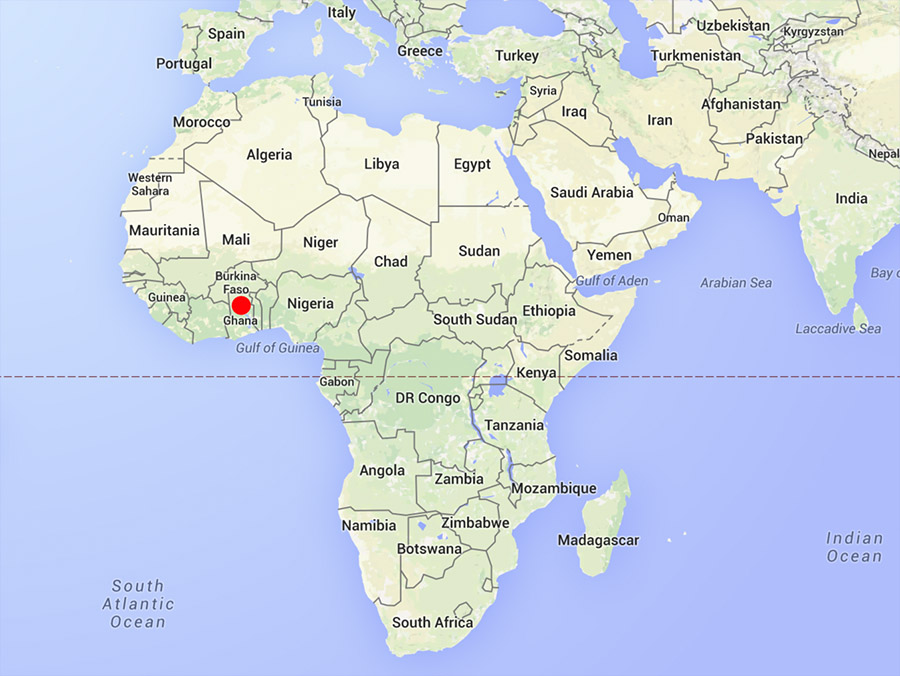
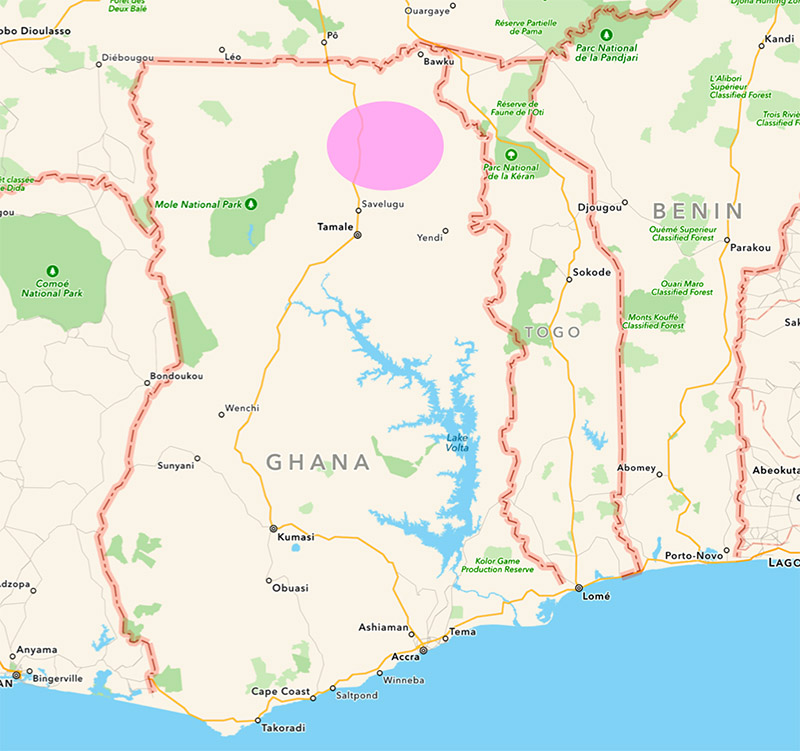
We depart Thursday, arrive Friday afternoon in Accra, Ghana, and on Saturday morning we jet off to the northernmost regions of Ghana. So after almost 3 days of travel we will be in Tamale, where Ray will meet us. We will crowd into his silver pickup truck, and within moments it will be covered in red dust and mud as we drive unpaved roads to destinations even further north, where we will have eight days.

The north, home of the Komba, Dagomba, and Mampruli peoples

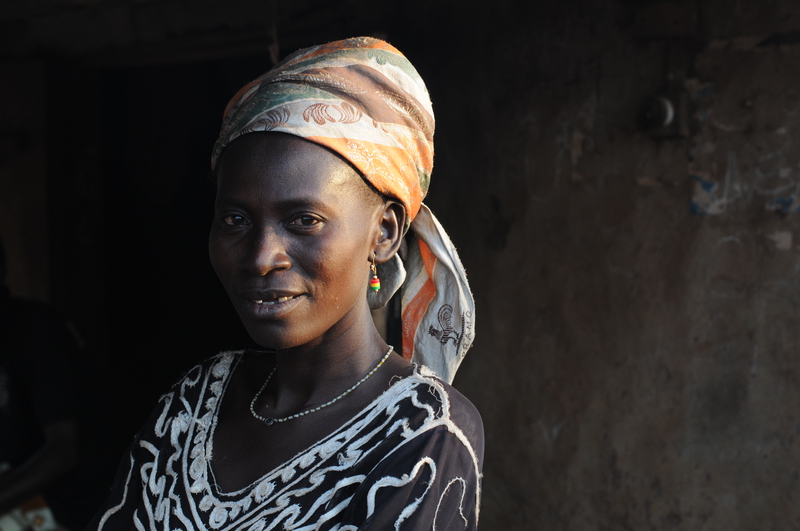
The northern regions of Ghana are home to many different tribes and languages. We have been working with a group known as the Komba. If you want to see some pictures of the beautiful and friendly Komba people, here are some from the last trip: Photo-1, Photo-2. My favorite from the previous trip is this one.

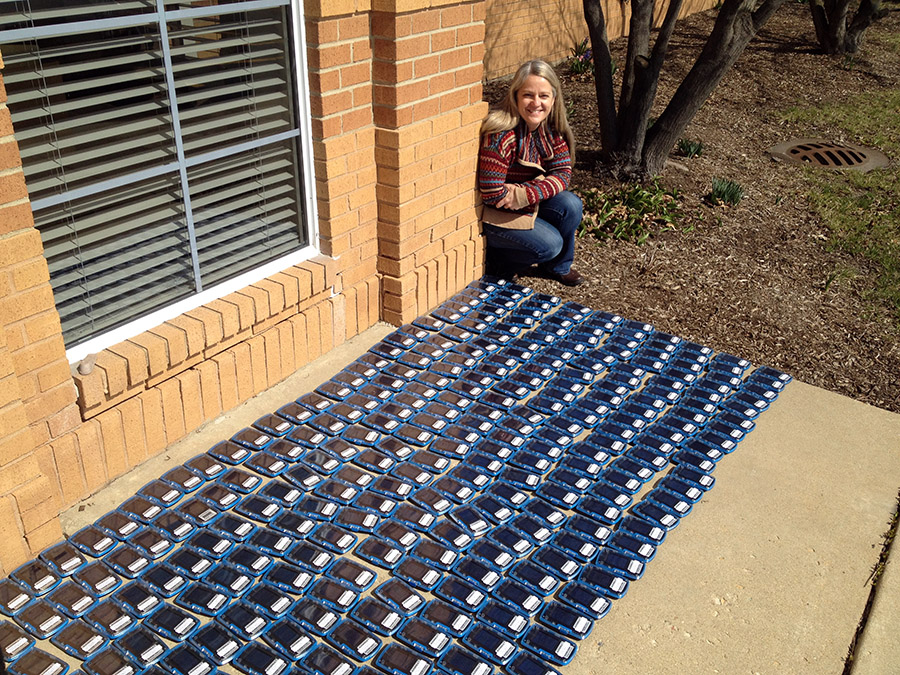
In addition to just spending time with our Komba friends, checking up on the clean water filters, and checking on how the solar-powered audio players are holding up, we will be recording more audio. The solar-powered audio players that Ray distributes in the remote villages has a Komba version of the New Testament, Bible stories, local choirs, and community health information. Recording the local African choirs has been a highlight for me on these trips. The choirs generally write their own lyrics, and use the caller/response form of singing, with the director singing a verse, and then the choir jumping in and responding. The choir from Kpatinga was simply spectacular. The recording had a fantastic natural reverb from being inside an cement-floor church with a corrugated steel roof. Here is one of their songs:

The two new languages that we will start recording are Mampruli, which is spoken by the Mamprusi people, and Dagbani, which is spoken by the Dagomba people. These languages are similar, but distinct from Komba.

Hundreds of BiblePlus audio players charging in the afternoon sun

Logistics:

While we are in the remote northern regions of Ghana, we will be staying in “guest houses”. Some are more equipped than others, but we hope that we are close enough to a larger city at times during the trip that we can get Internet and share blog posts and pictures. However, if you don’t hear from us, please don’t despair. Tech in that part of the world is fragile, and sometimes, even when I drive aimless around in the dark holding a cell modem on the roof of the truck, I can’t find a signal.

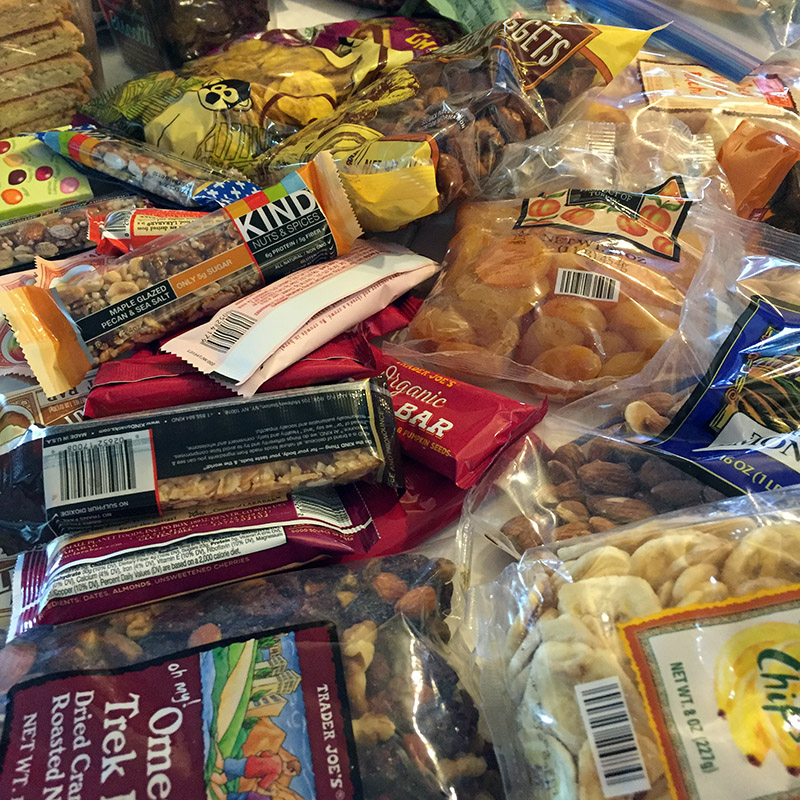
We have brought some food along for the trip. Beth dehydrated some backpacking food (green curry (yum!)), spaghetti sauce, etc. My camping stove should see some action. While the northern regions are quite fertile and have plenty of locally grown food, preparing food safely so weak-stomached white people can avoid illness can be a challenge. One of the guest houses has a cook, and on our last trip I spent some time helping the cook understand our extraordinarily poor constitutions, and how food needed to be peeled, boiled or fried. We can’t eat greens washed in their local water. When we are staying at the guest house in Walewale, we will be cooking our own meals.

Packing some food
Packing some food

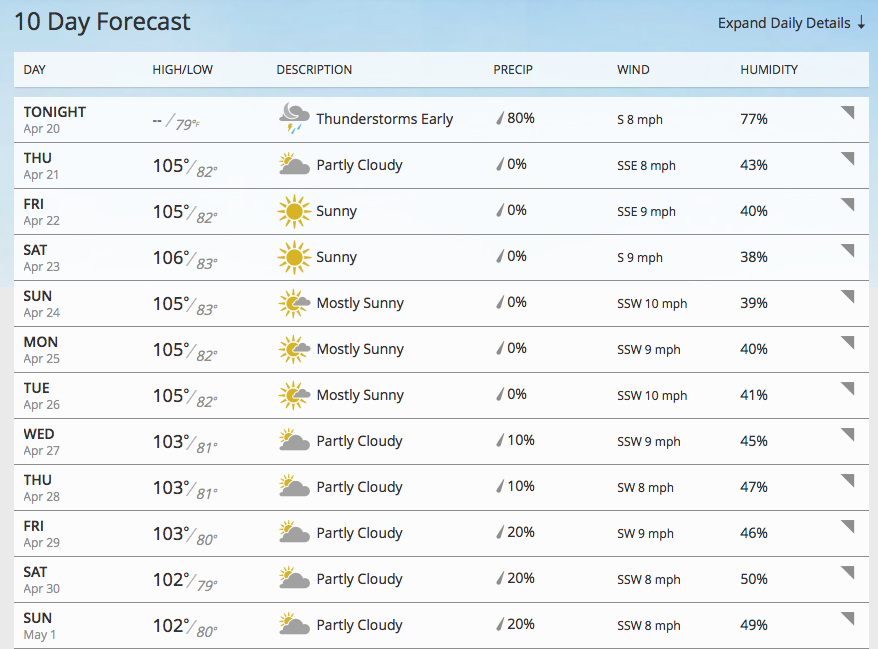
My Kryptonite is extreme heat. What more can I say. The heat will challenge me.

Ugh. What else can be said?
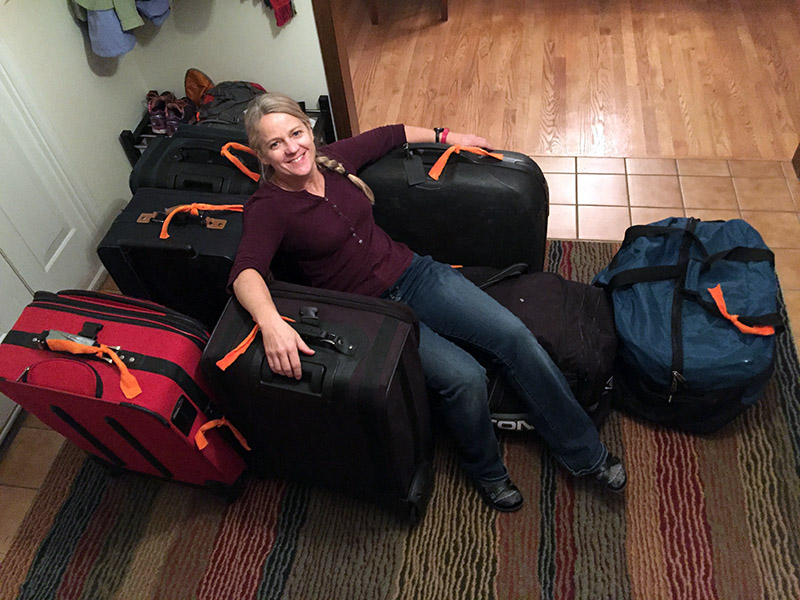
Beth takes a break on more than 300lbs of gear.

-Pete