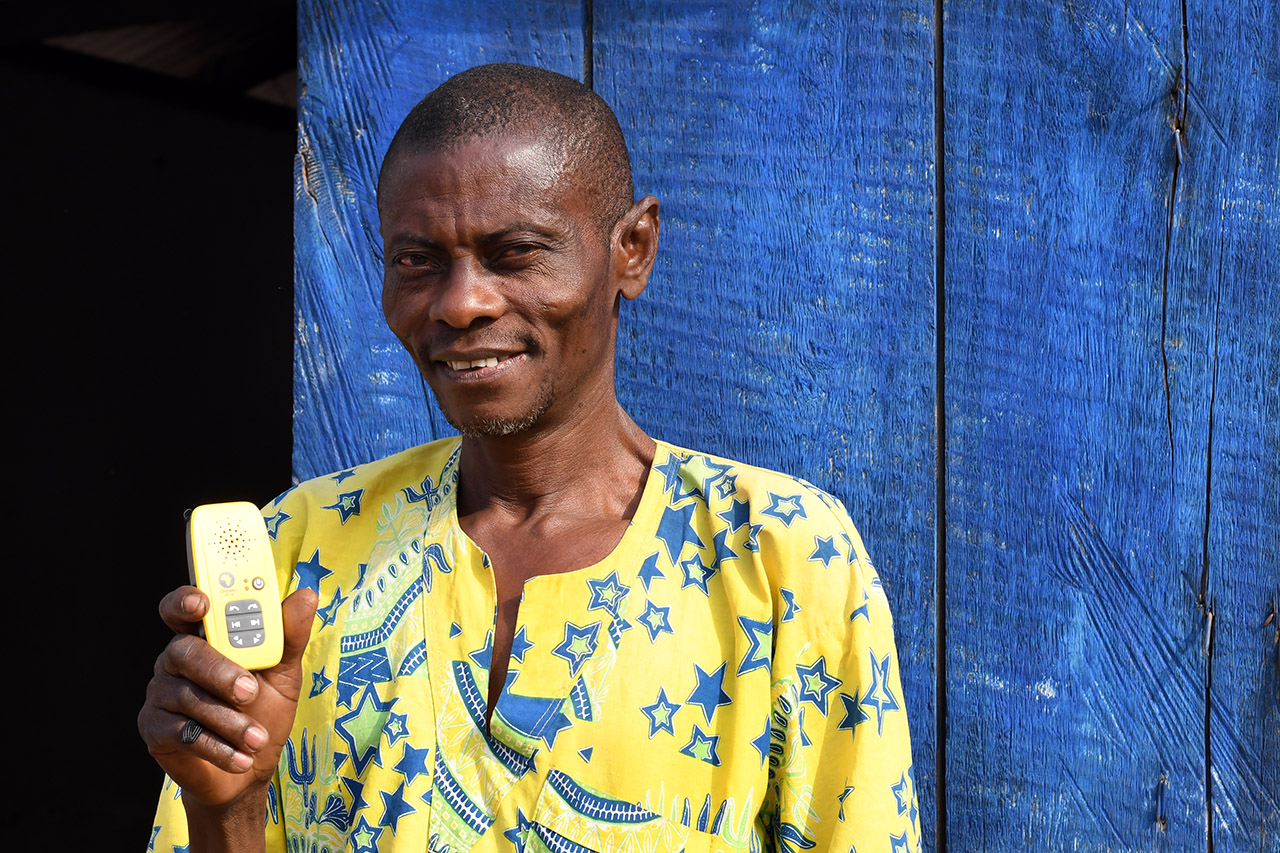
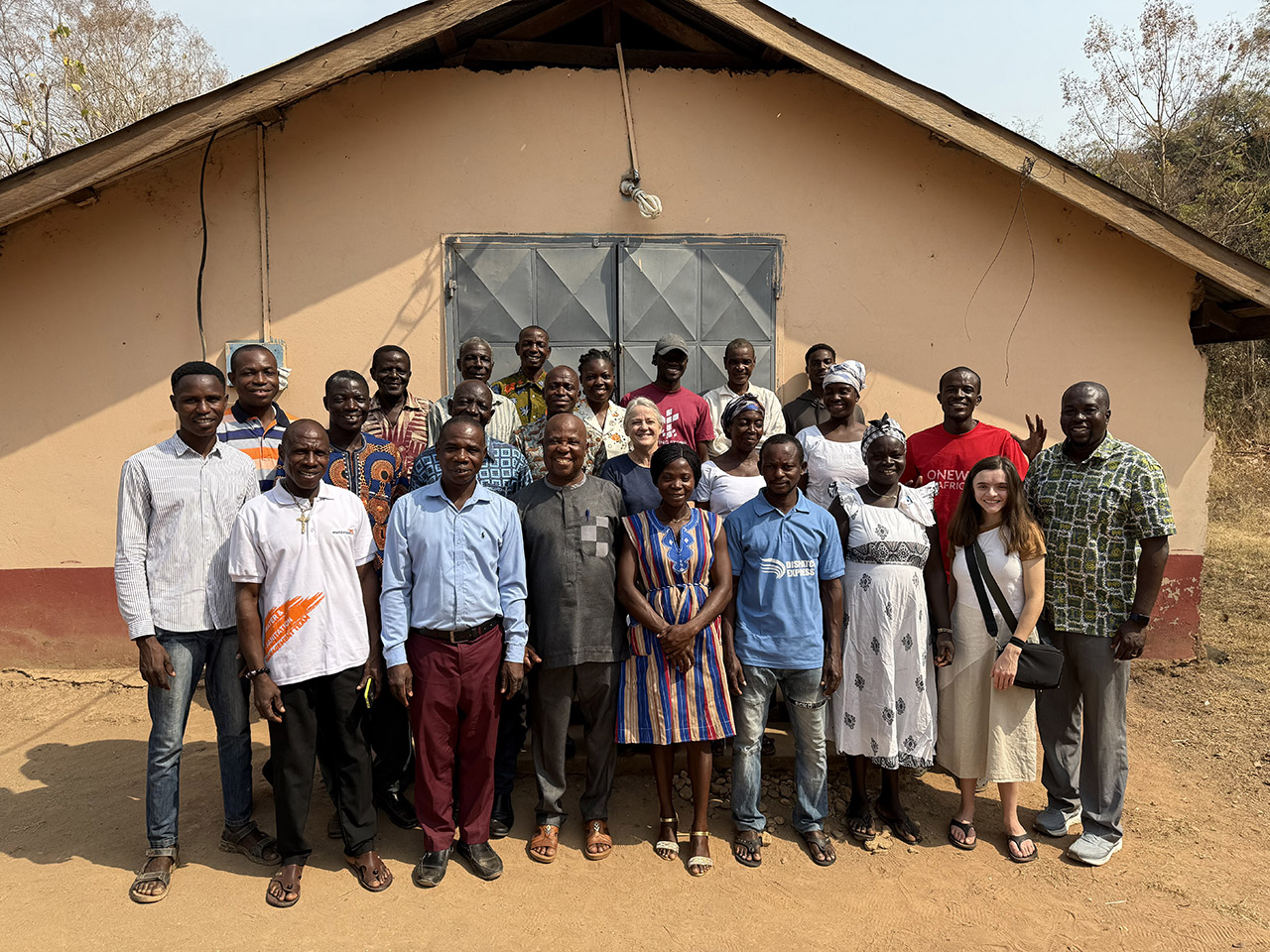
Long busy days. The brevity of my text below will be compensated with plenty of photos and some dancing videos. An important note: Tomorrow morning we hike several hours up to a mountain village. The top of the mountain has no electricity, no mobile phone network, and no other services. Of course we are used to camping, so it won’t be a problem, but we will be offline for 2 nights, returning to Nkwanta town by Wednesday afternoon (in Ghana). I have my Garmin InReach should we need to send a message, so don’t worry about us. We will share photos when we return.
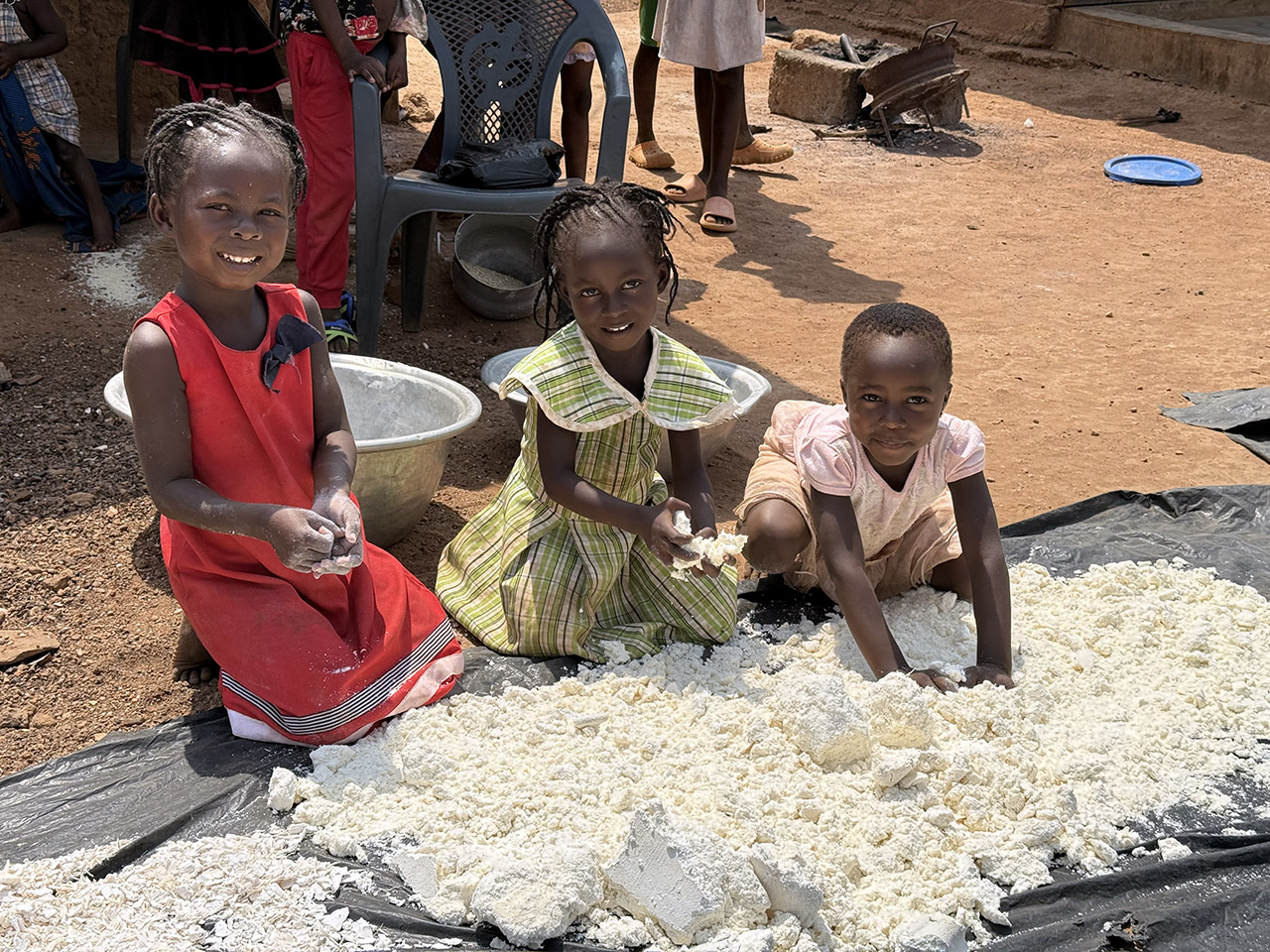
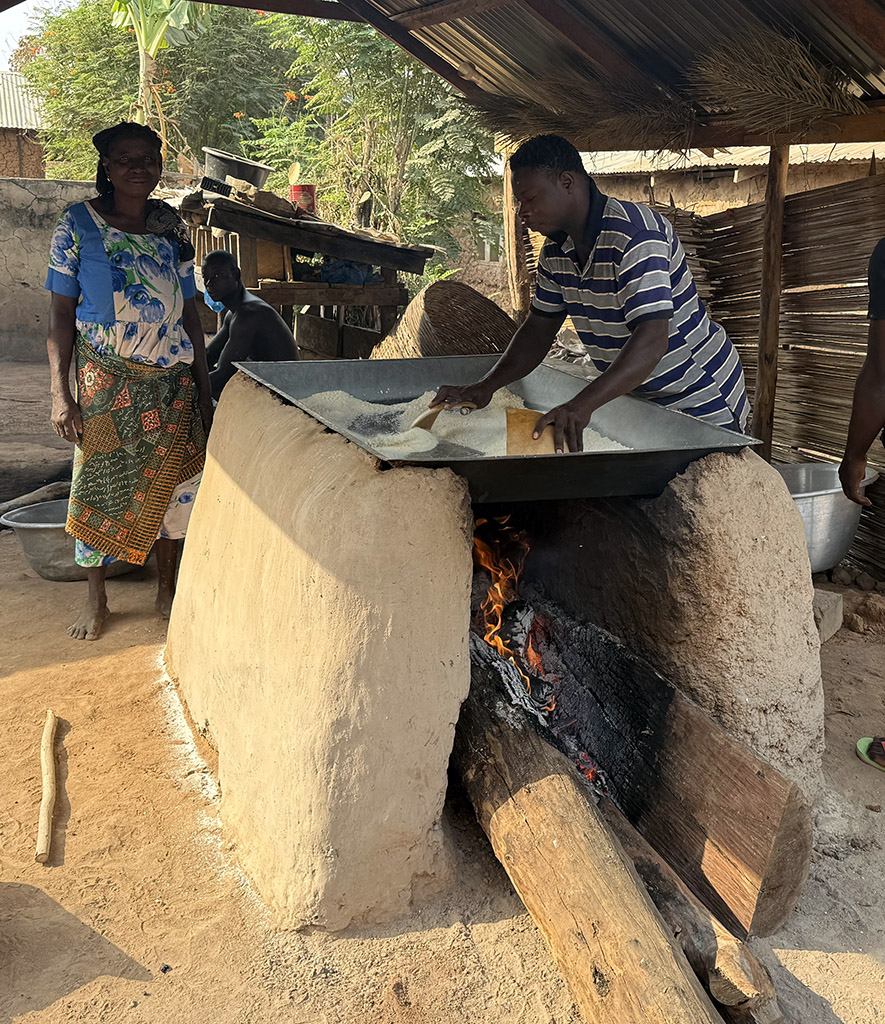
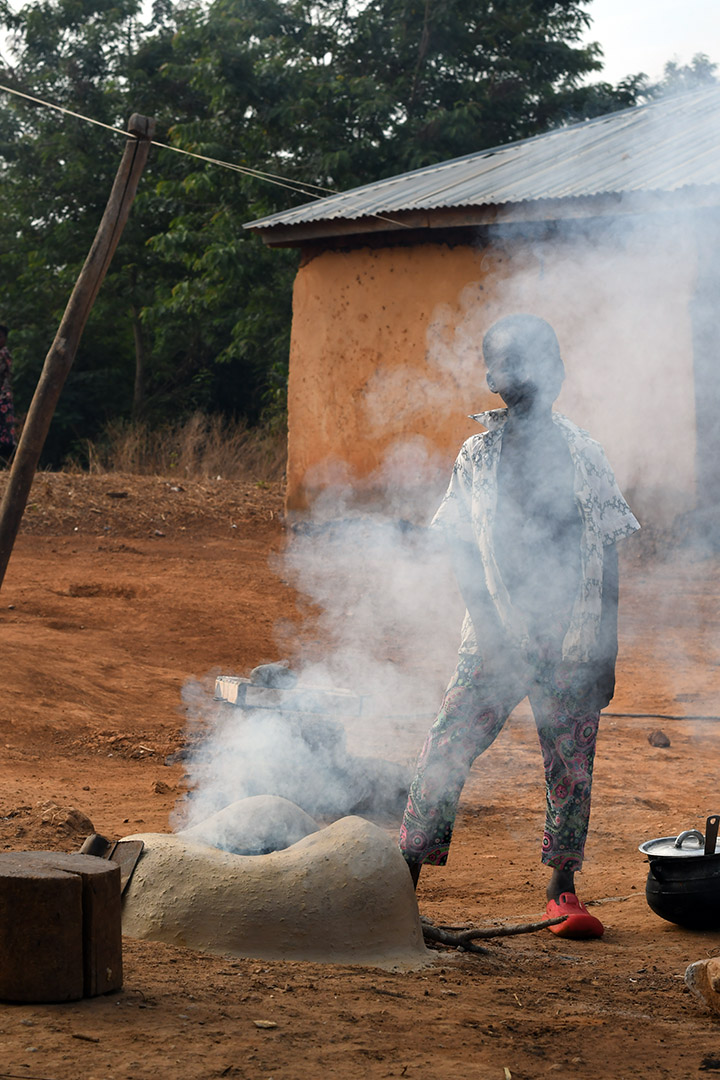
Children spreading out the cassava in the sun, preparing it for final drying before being toastedToasting the small cassava bits before filling bags for the market.
Submission. In America, it is associated with defeat — being unable to “stand your ground”. Being “in submission” just irks us. We have our rights!
However, in many cultures that have deeply rooted honor and respect traditions, submission goes hand-in-hand with respect. So here in Ghana, we always begin our work by submitting to the authority of the village chief. Here in Nkwanta, where two tribes have suffered deadly clashes, it is especially important for us to respectfully approach the chief and request permission. We will submit to his will. If he forbids our work, we will turn around and leave – a sign of respect for his authority.
Submission and respect are part of the spoken language system, and even influence the arrangements of our chairs and several of the scripted movements we make.
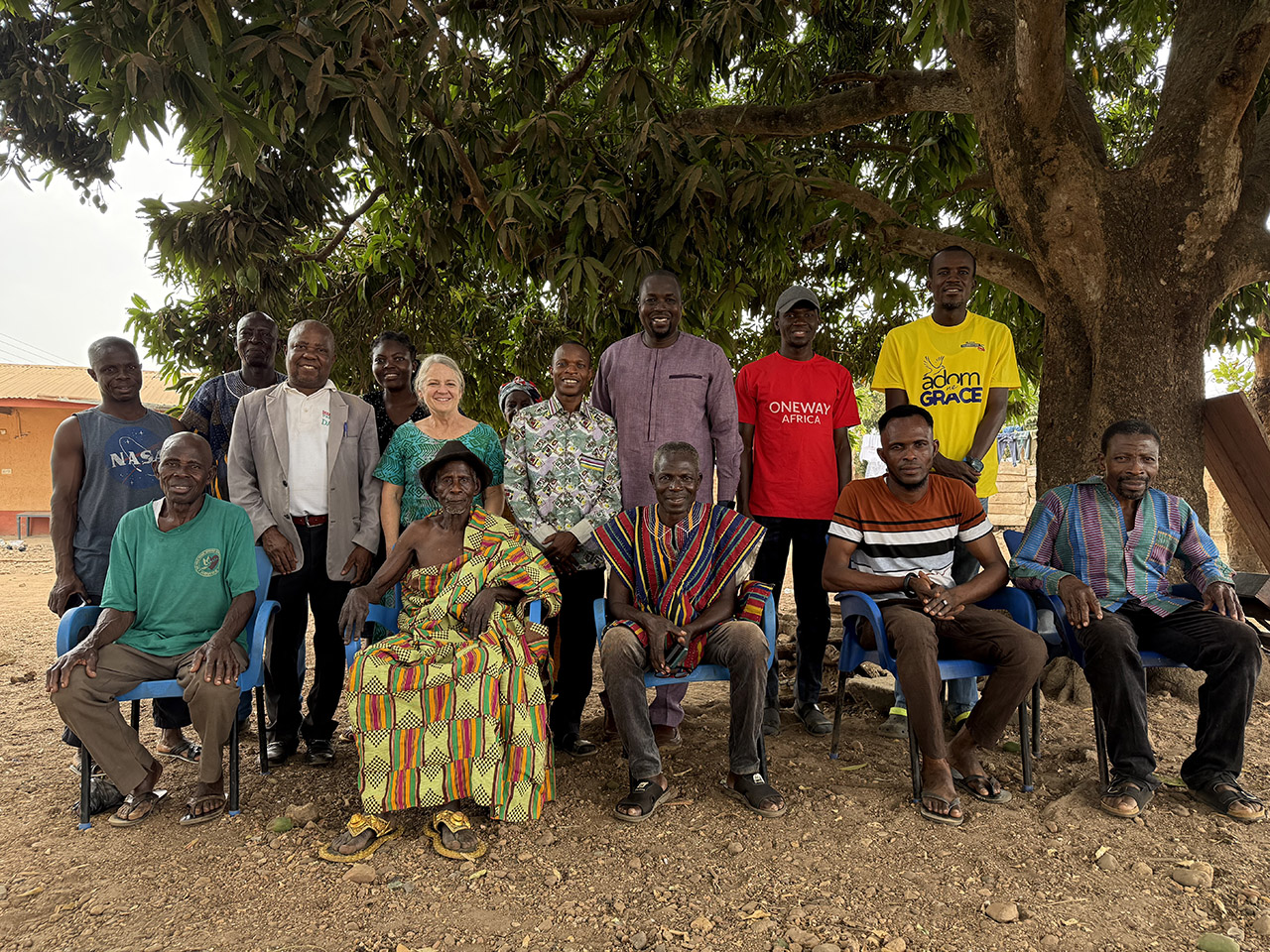
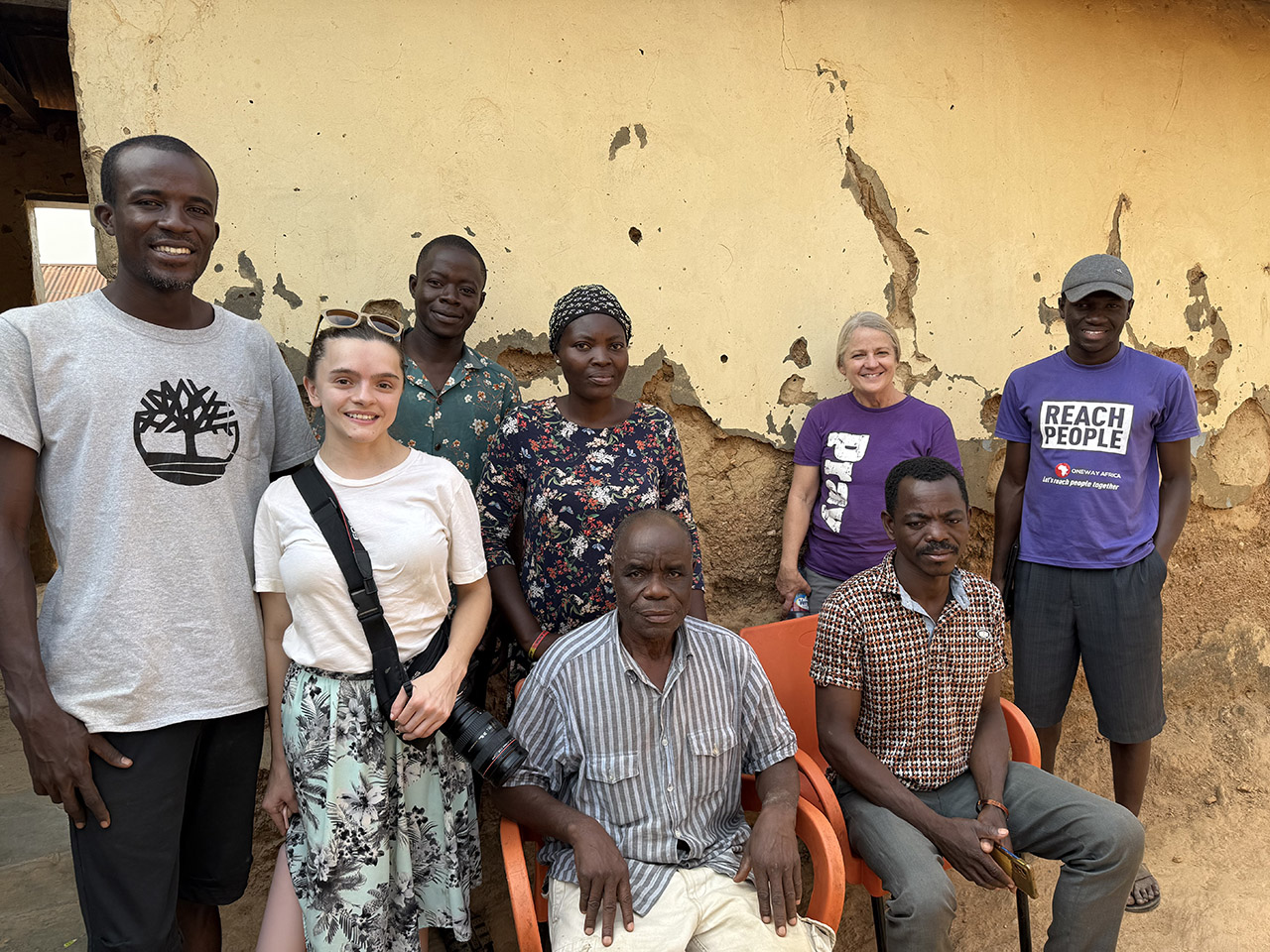
The chief is in the middle, with the red and blue traditional shirt.
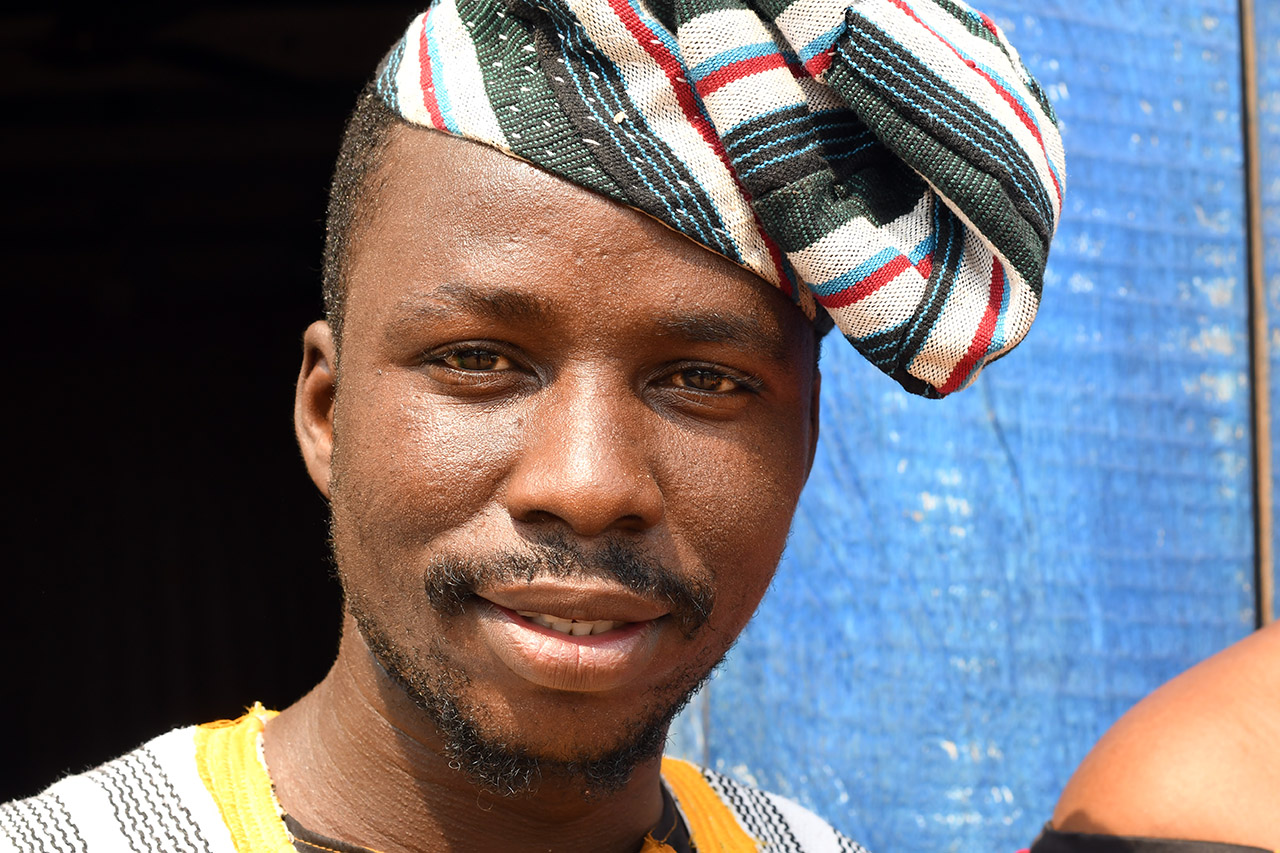
Some of the chiefs are light hearted and match our smiles. Others are stoic, flanked by elders that manage introductions.
Before approaching the chief, our host pastor instructed us on the protocol. There was a scripted reply that we were to all repeat several times in unison. Men and women had different works. While we didn’t need to kneel, part of the exchange required we leave our seats, squat low to the ground, and say either “eeeeeaaaa” (women), or “Yoawwwww” (men). After three or four of the scripted exchanges the pastor explained to the chief that “we come in peace”. The Tribal leadership then asked if we would like water.
One of the best smiles ever from a chief conducting official business
That step, the hospitality to ask if we needed water, was critical. In one of our meetings, we dove straight into the details of our visit before we were interrupted by the local pastors and asked to pause. “Our culture requires we offer you water now” they said. We politely said we did not need water, and the meeting continued.
After the official business of asking permission was completed satisfactorily, Ray sometimes asked me to pray for the chief and the village. Then we posed for a photo, and thanked the chief one more time before respectfully returning to the trucks.
After submitting to the authority of the chiefs and elders, it was time to record — music, exhortations (preaching), Bible stories and testimonies.
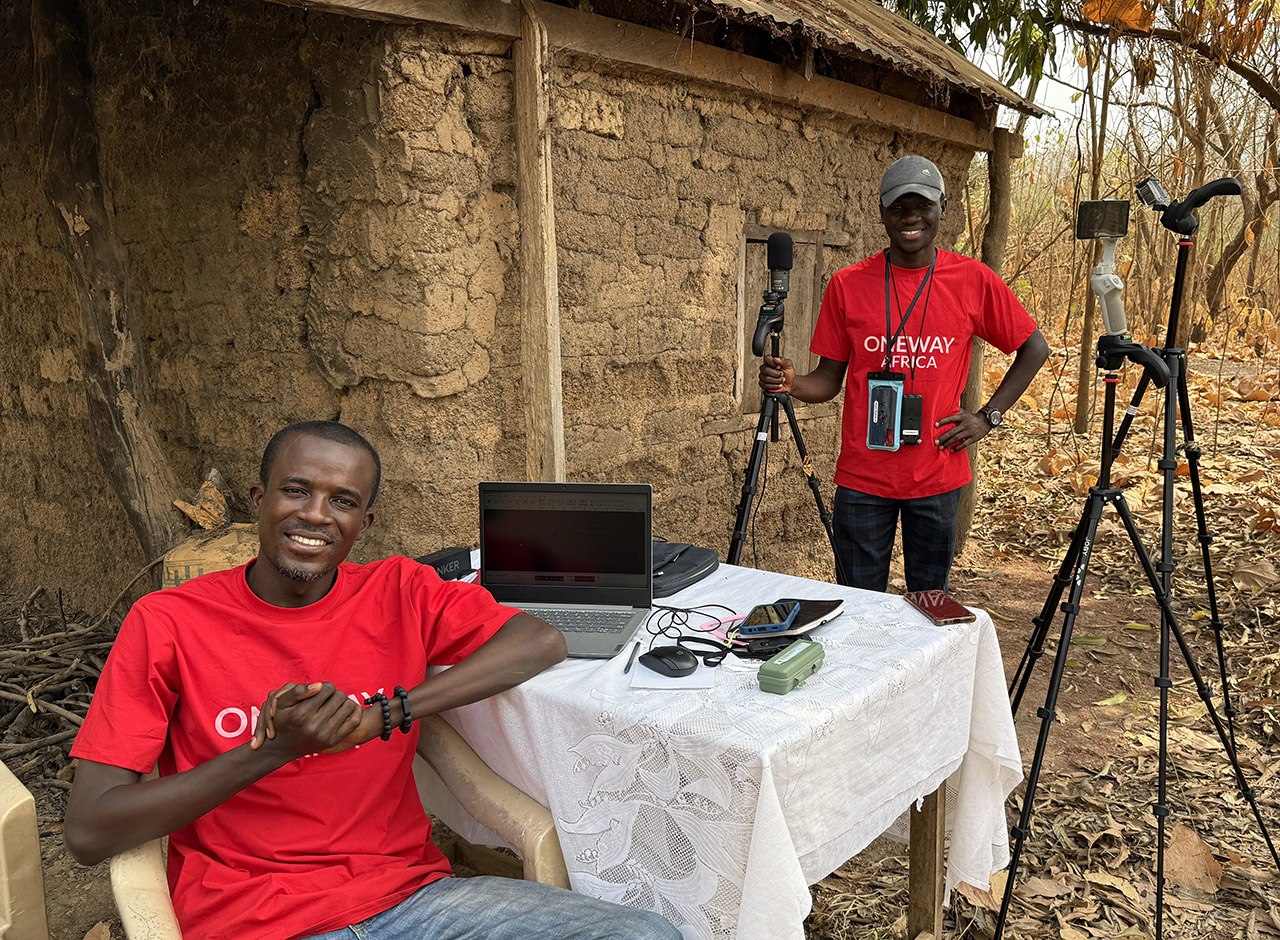
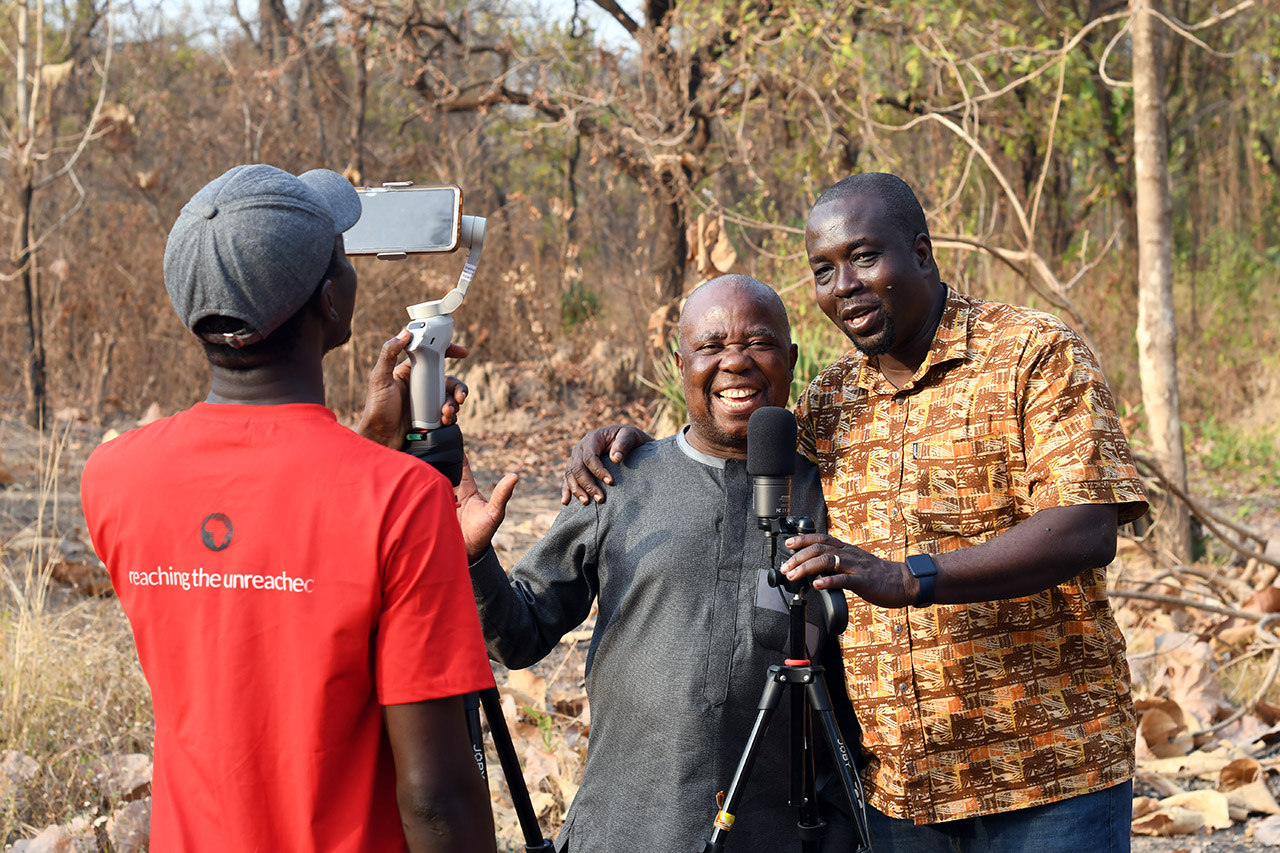
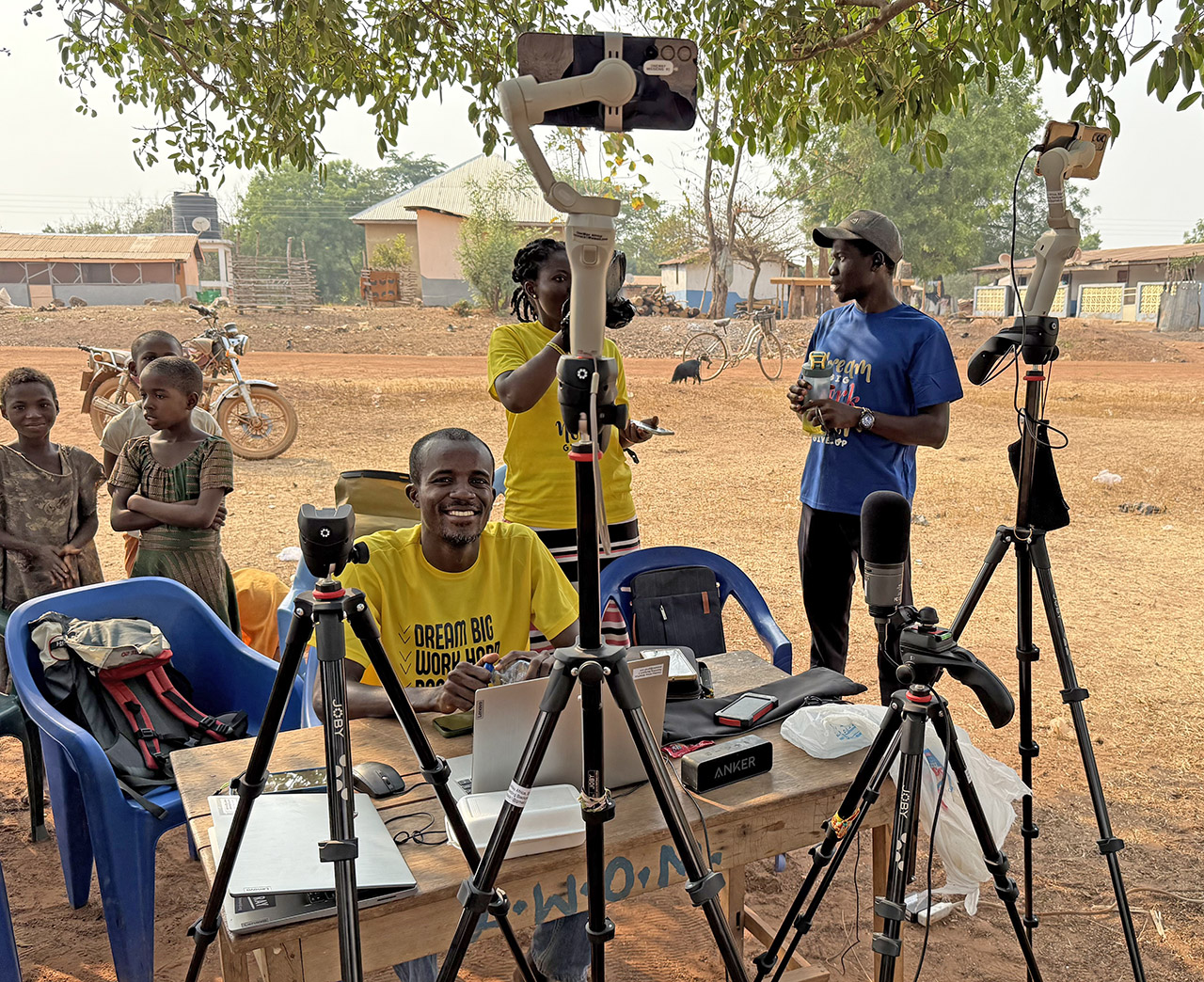
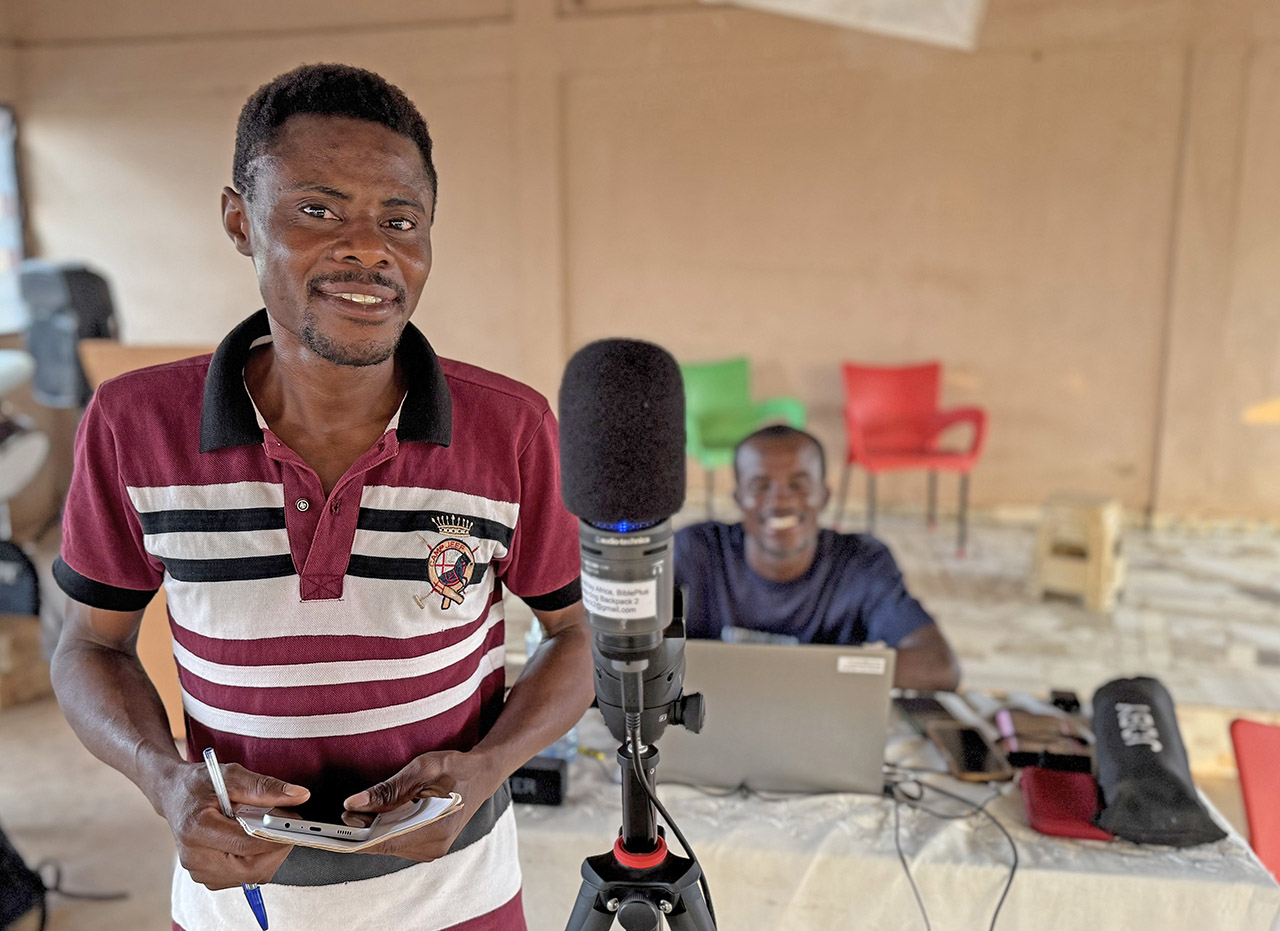
Cyrus and Clement (C&C) did the heavy lifting.
C&C Productions
One of the most critical recordings was from one of the senior pastors, often called “The Chairman”. He had prepared a special message on peace and forgiveness. We prayed again for the tribes involved in the conflict and we recorded his strong and clear voice calling for peace in the land. After we complete the video, it will be shared via WhatsApp among the people.
Cyrus, The Chairman, and Ray
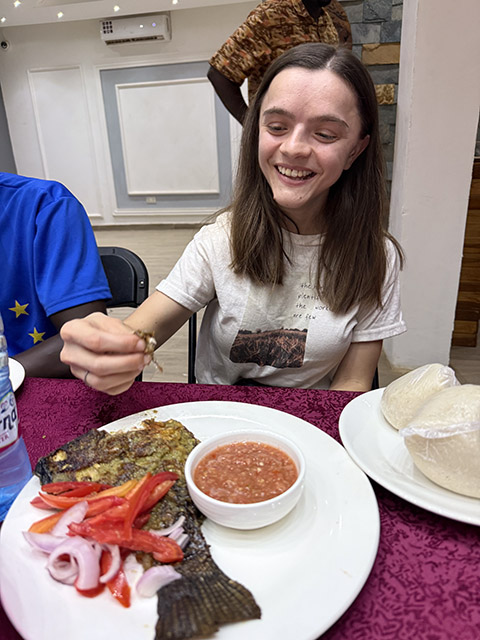
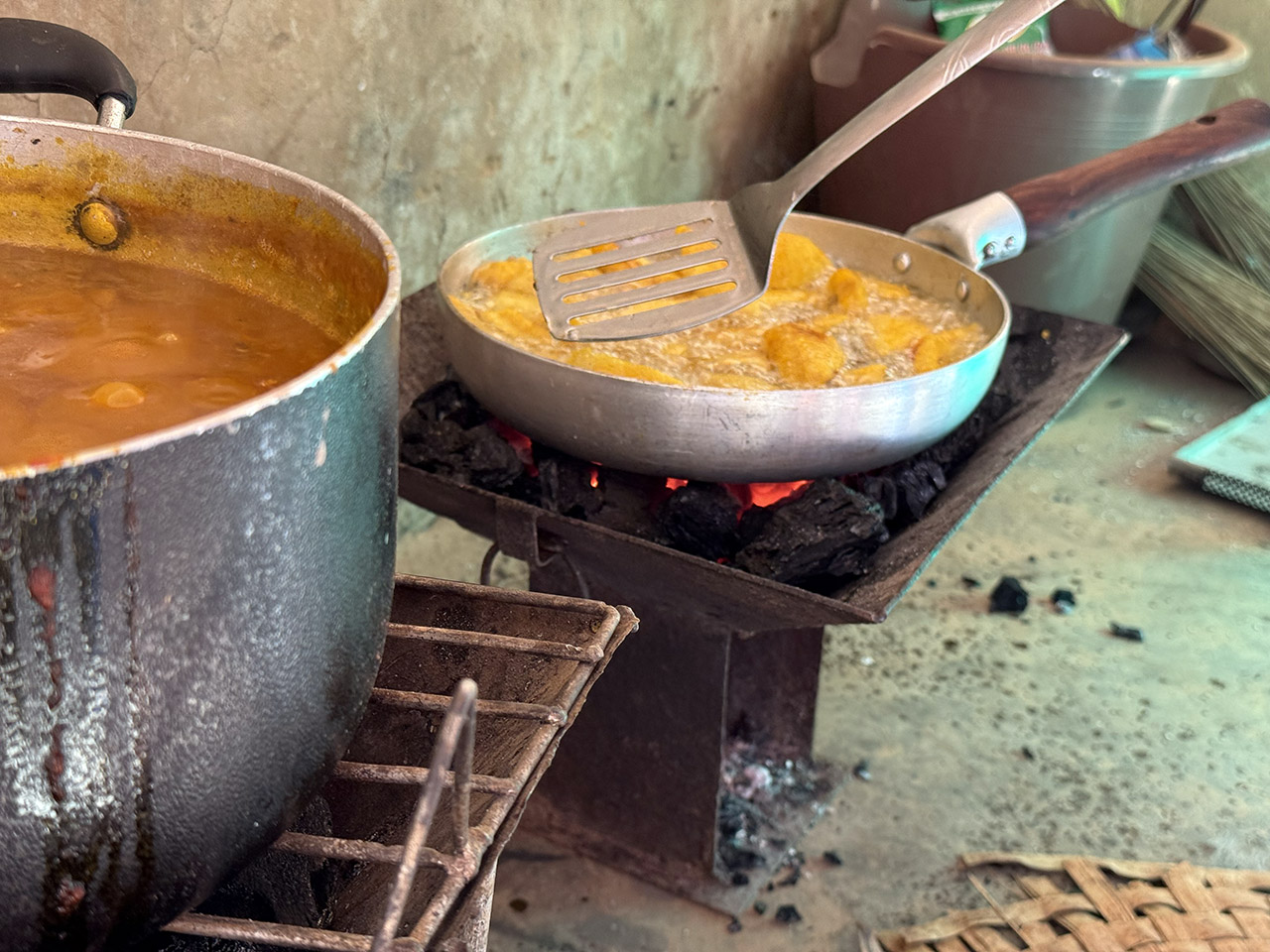
The long day (Saturday) was topped off with fish, banku, yam fries, and spicy “peppa” sauce — all eaten with our hands.
Sunday
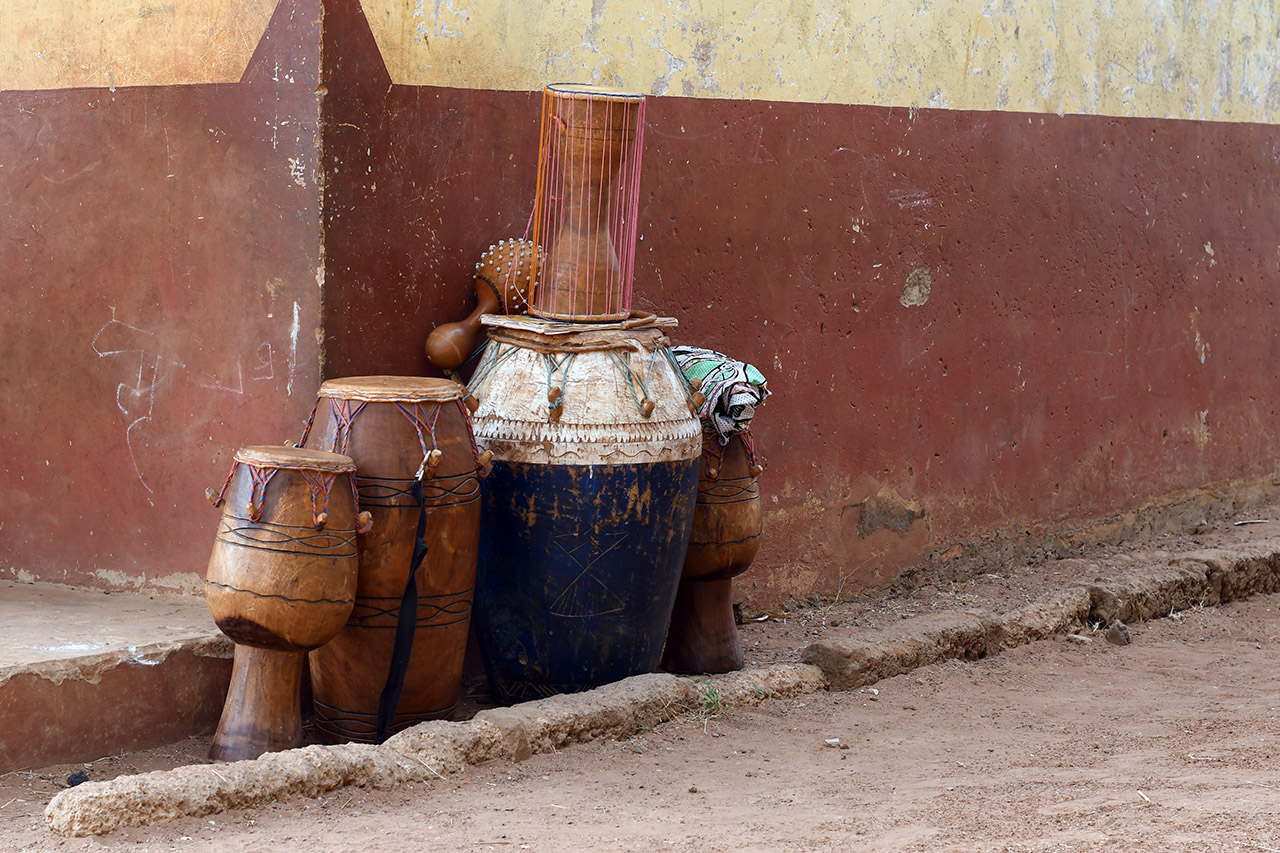
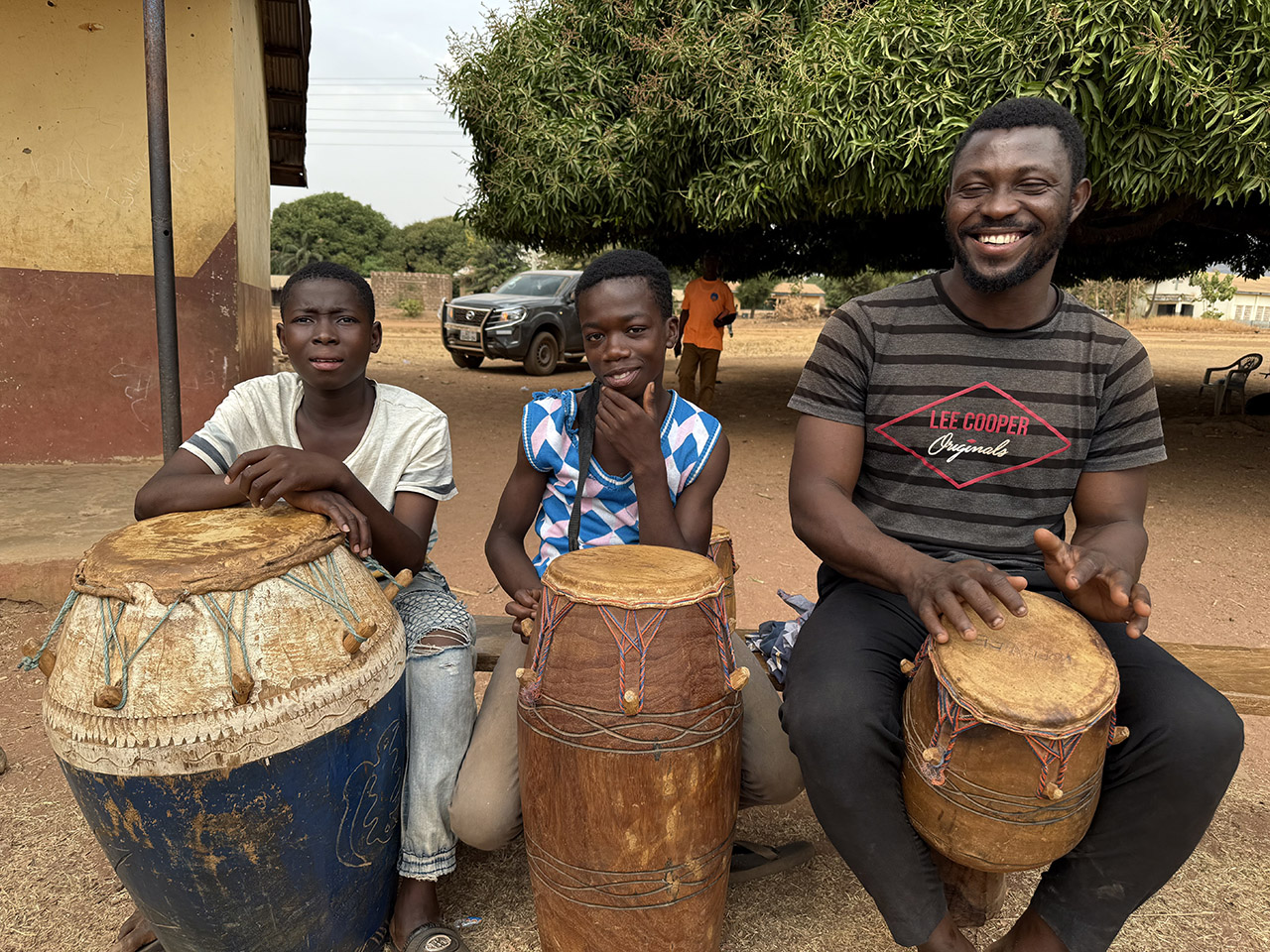
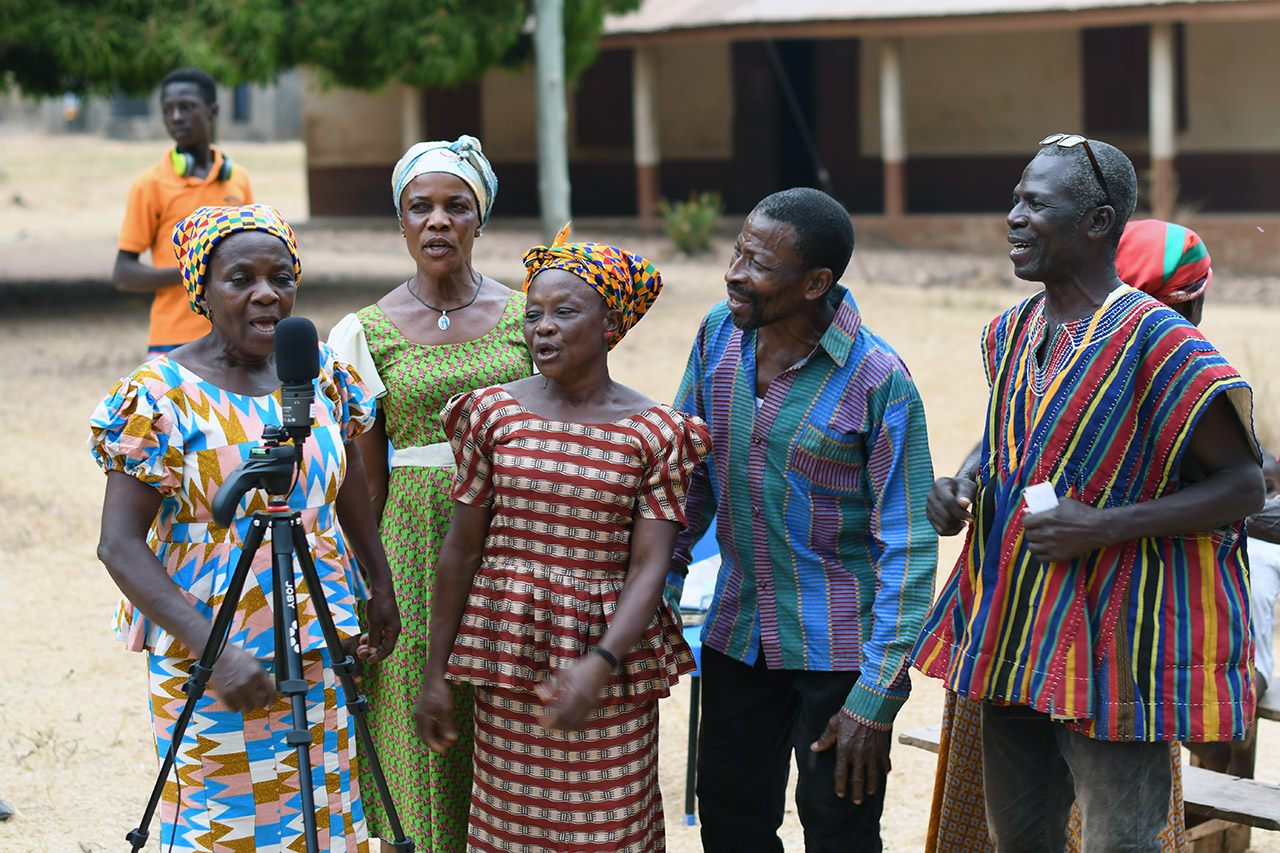
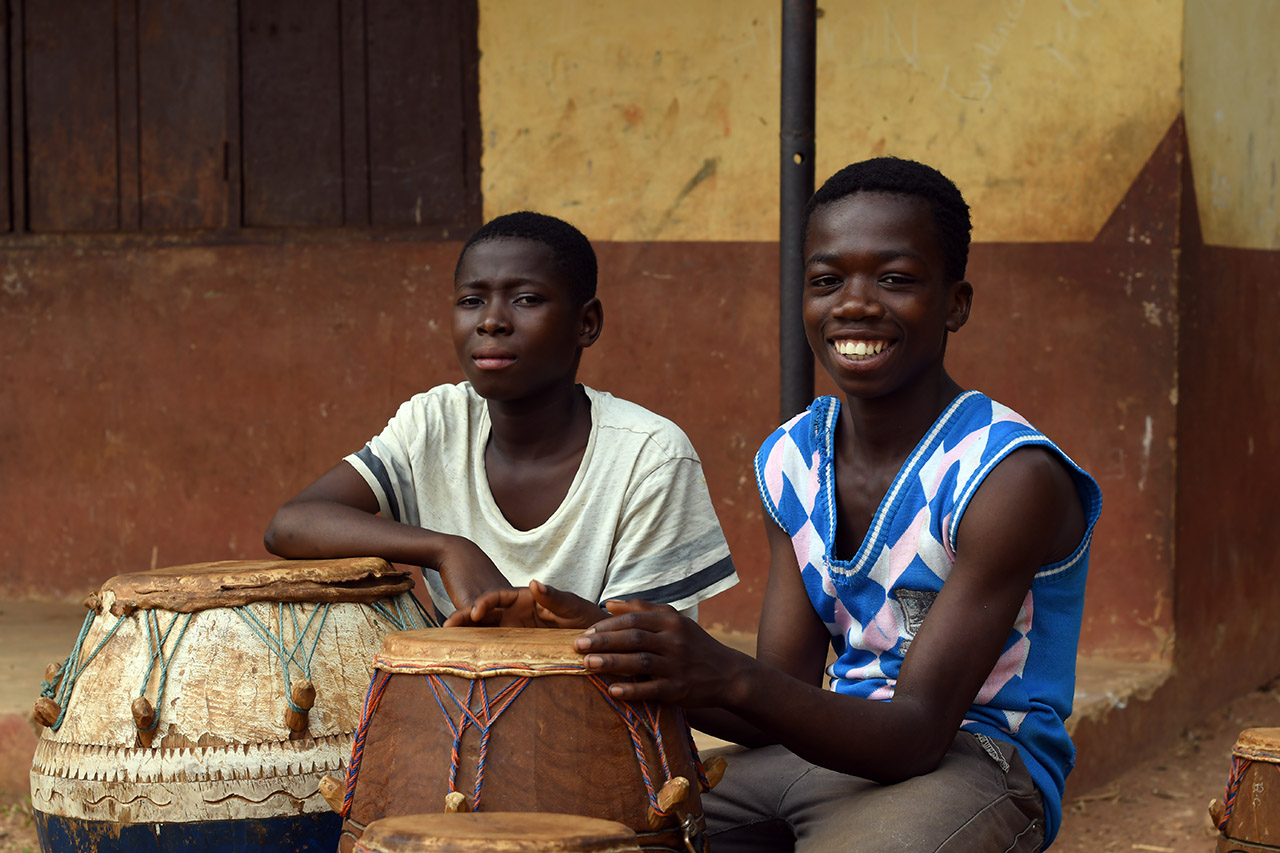
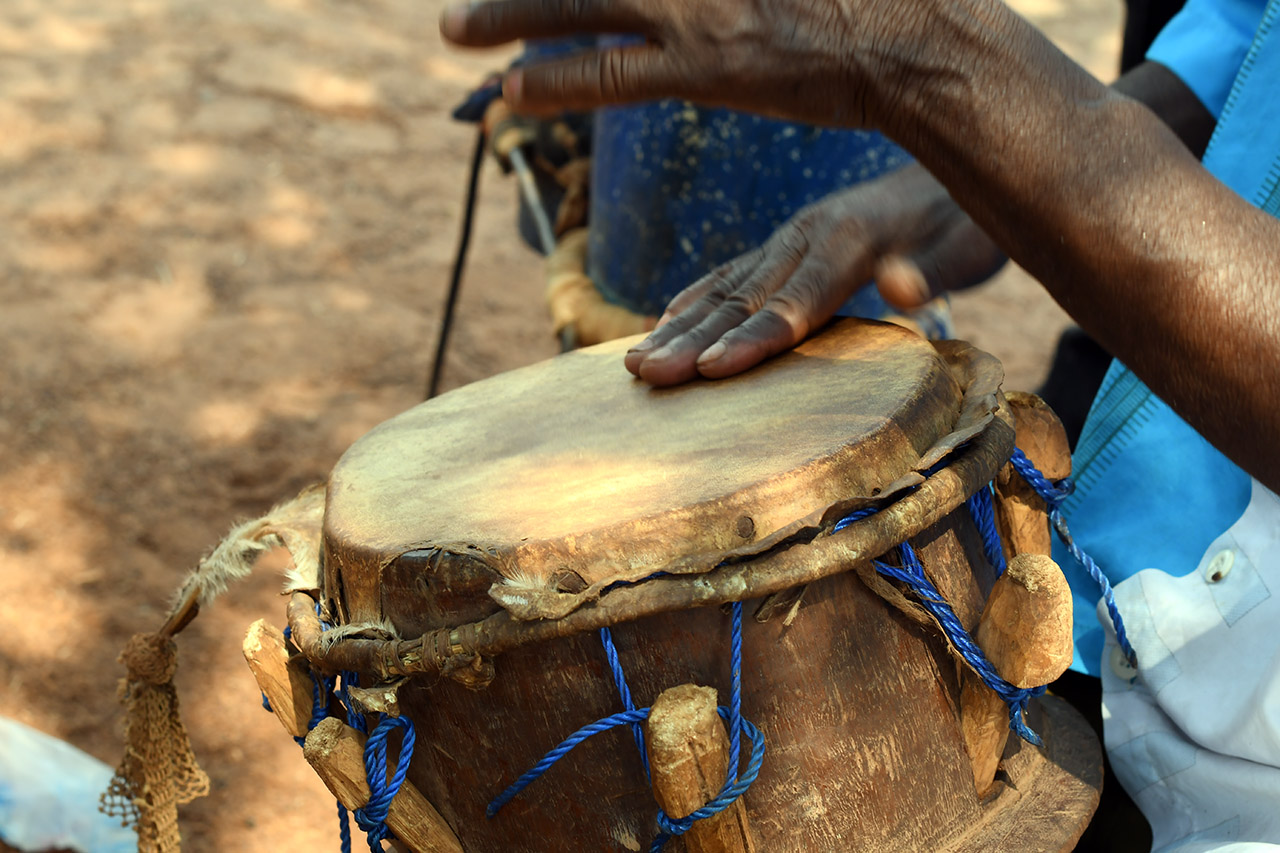
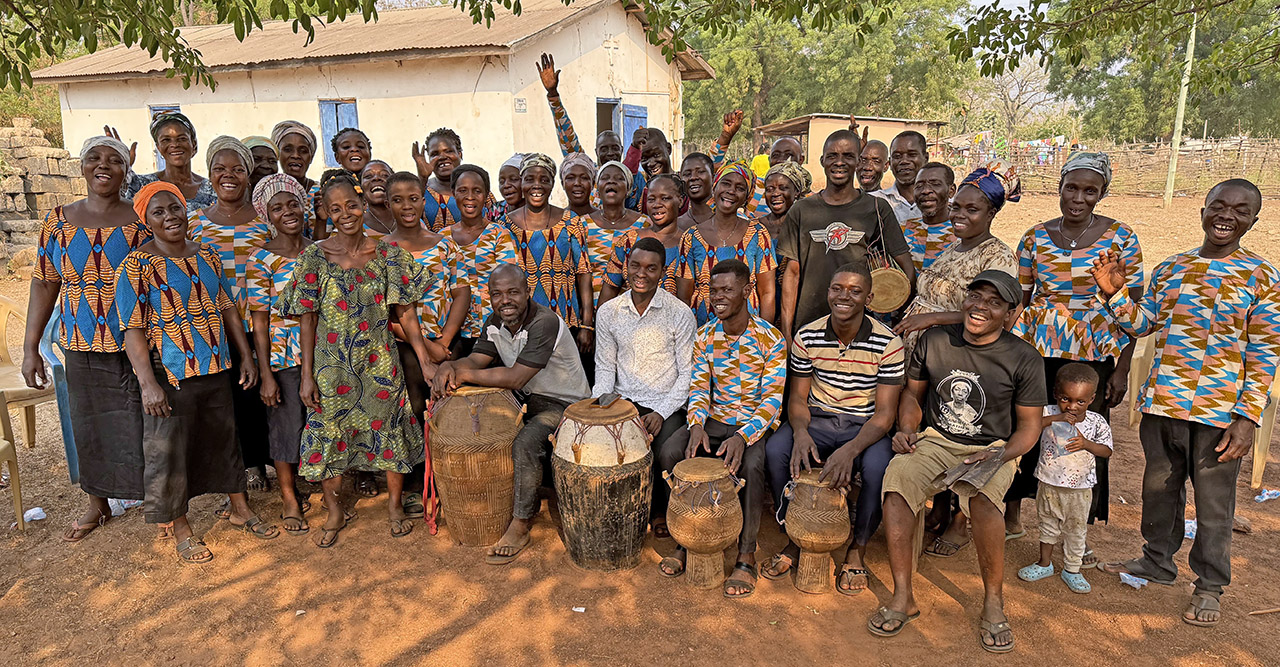
Most of the day was spent recording choirs — always the highlight of our trips. Worship, drums, and dancing, how beautiful! Some photos and videos below.
VIDEOS! Click the images below to watch the movie.
Wrapping Up
I wish is was not 12:30am. There are so many wonderful things to share. We will bring back photos and notes from our hike to Chillinga. We will be hanging our mosquito netting and cooking food we brought on our camp stove. We pray for peace and forgiveness.
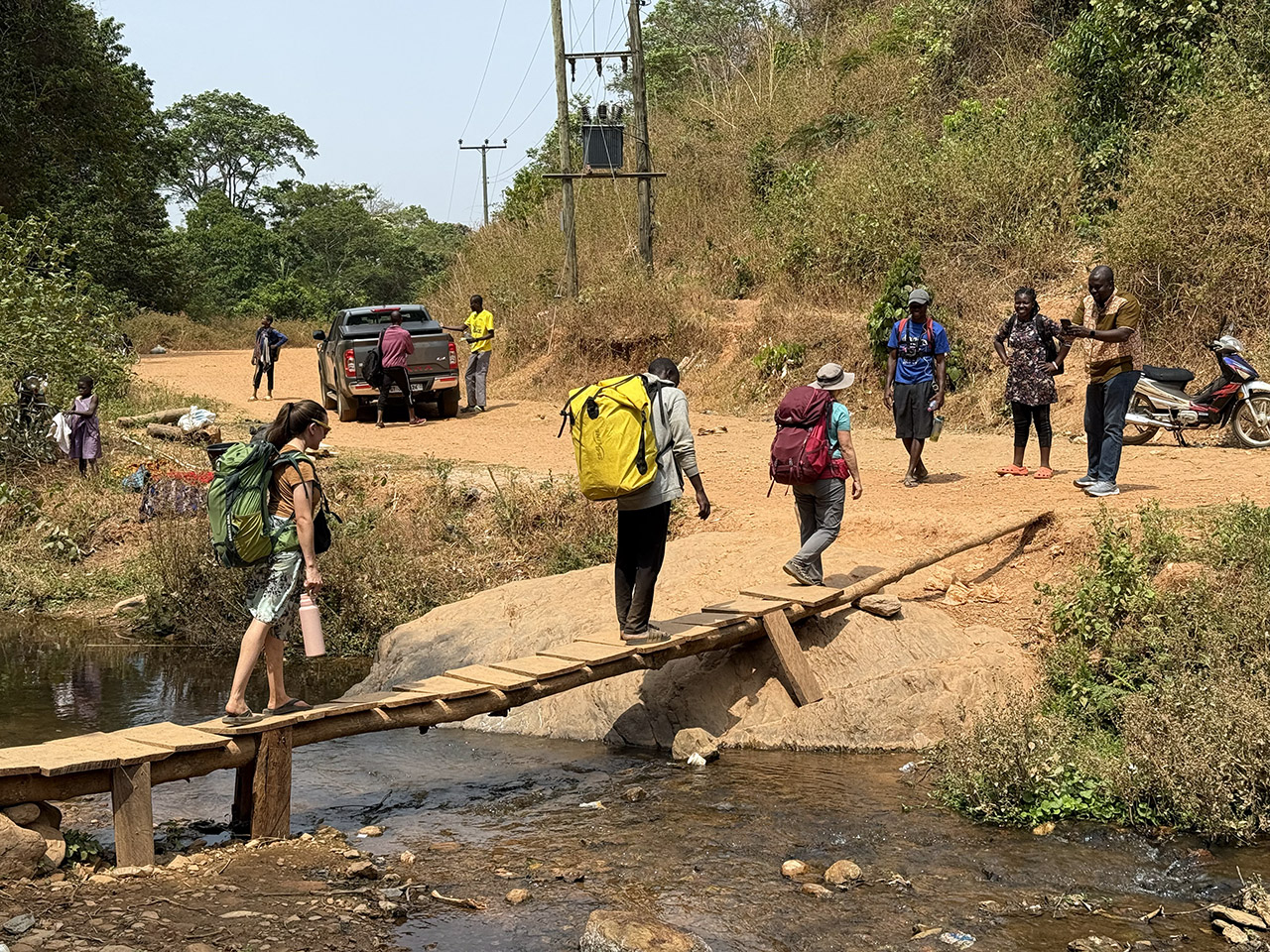
We knew it was going to be difficult. Clement’s explanation, “It is three hours of climbing”, bounced around in my head as Cyrus and I rode in the back of the truck bed, red dust billowing behind. Cyrus smiled as we pulled away from the last police checkpoint, their armored vehicle parked in the shade, with soldiers relaxing nearby. We were heading to the end of the road.
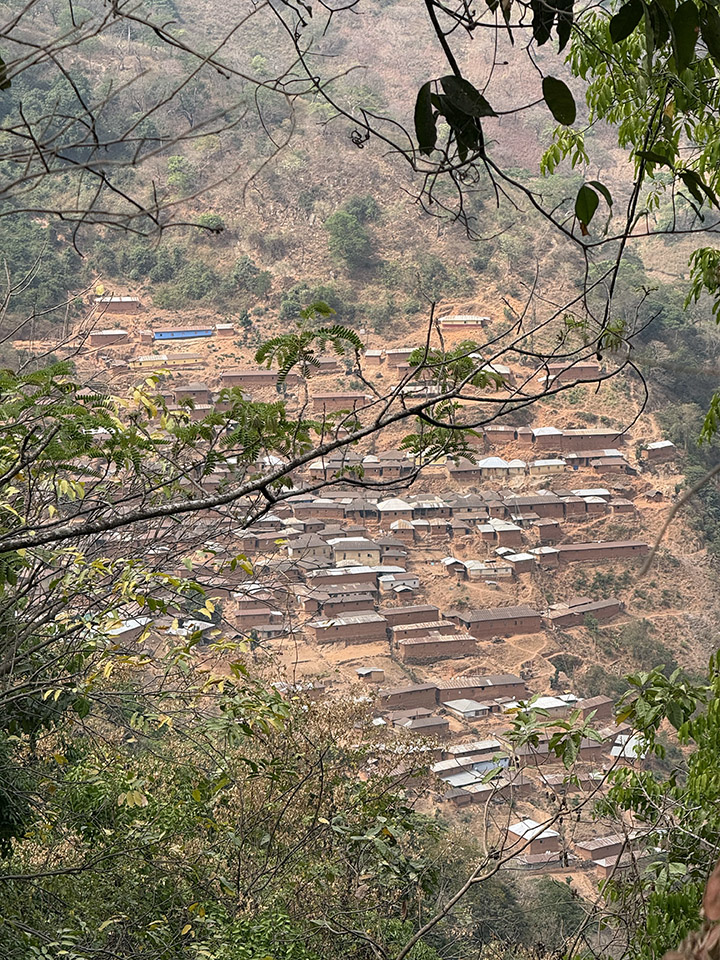
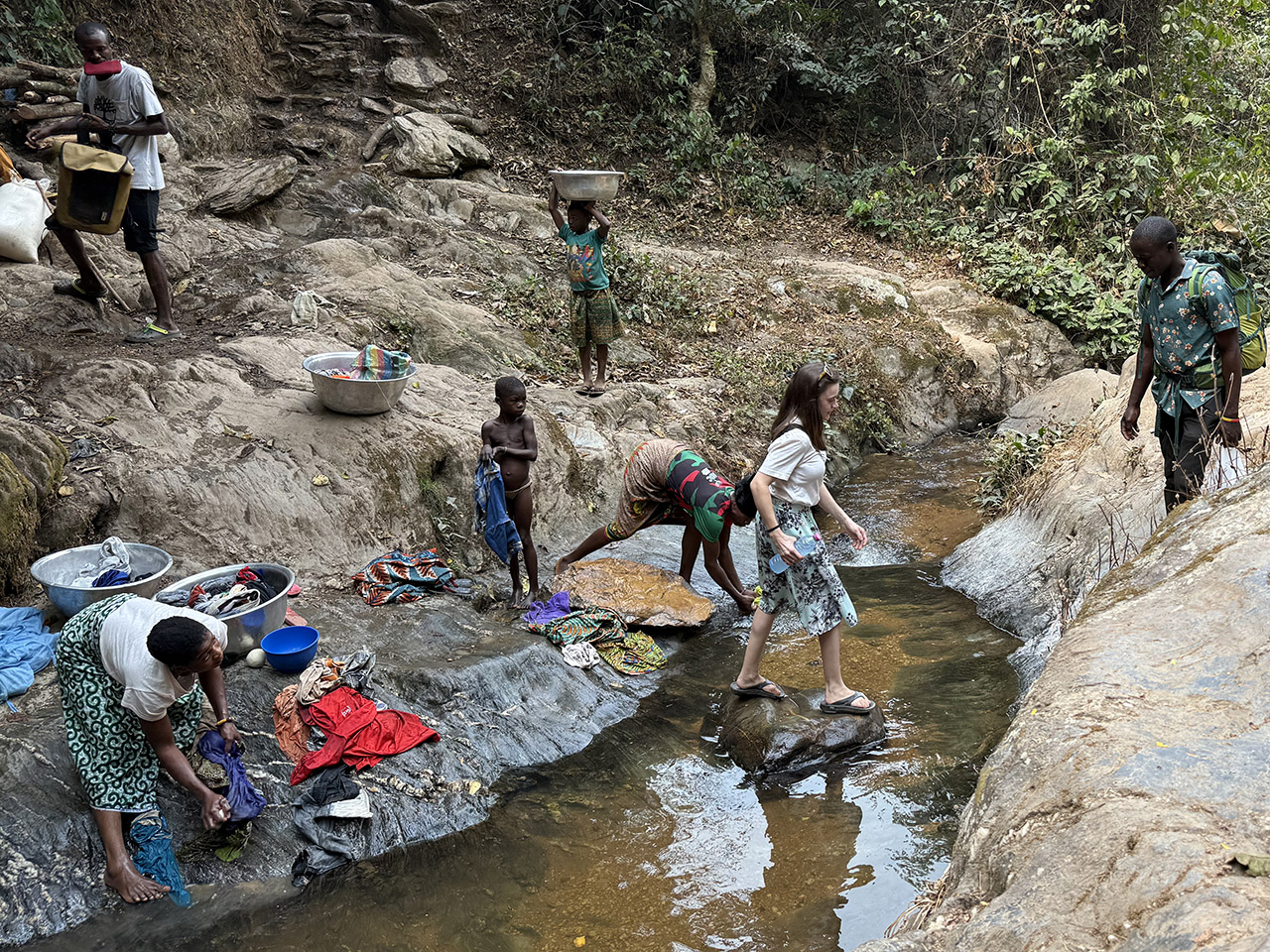
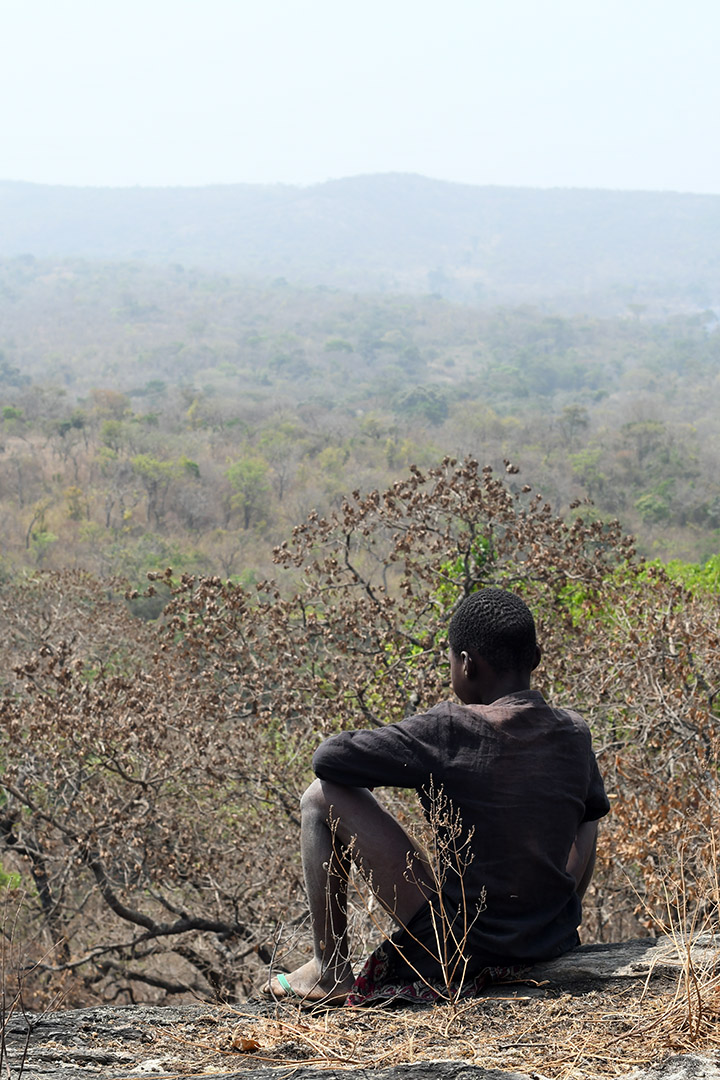
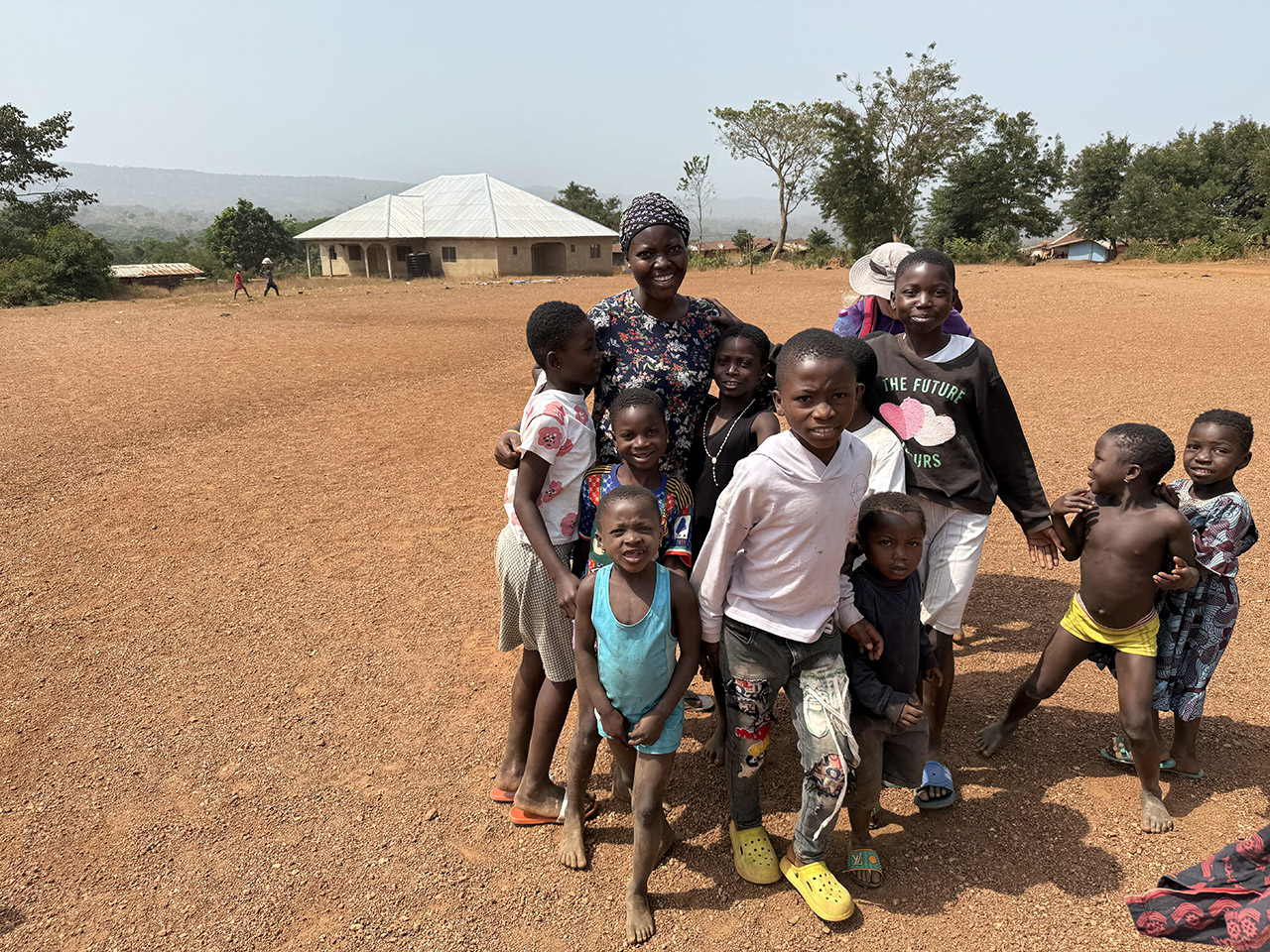
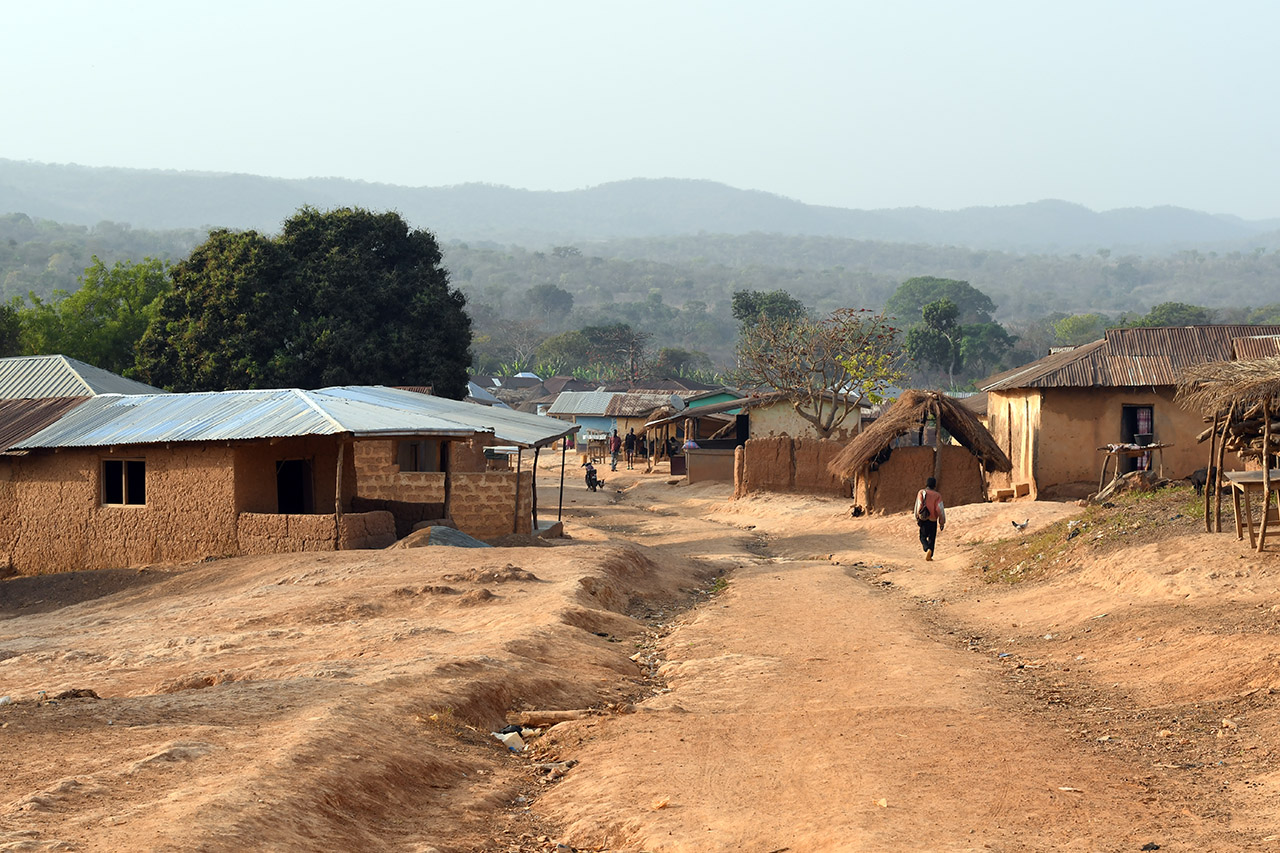
“We are here!” Clement energetically shared. The road abruptly ended at the foot of a small mountain. The gleam of metal roofs, high above, marked our first goal. With excitement, we strode across the small river where children were helping their mothers with laundry. The climb up to the “hanging village”, provided no warmup. The trail just went up. It was not long before our speed up the mountain was regulated by our heavy breathing. Our strides shortened and our progress slowed as we felt the full strength of the equatorial sun above the clear skies. “Oburoni!” a small child in undies exclaimed as we rounded an adobe house and zigzagged higher thru the dense warren. Soon, small kids were giggling and chanting in unison “O-Bu-Ro-Ni, O-Bu-Ro-Ni, O-Bu-Ro-Ni” as we labored by. They returned my occasional smile while gulping for air with vigorous waves and more laughing.
The village
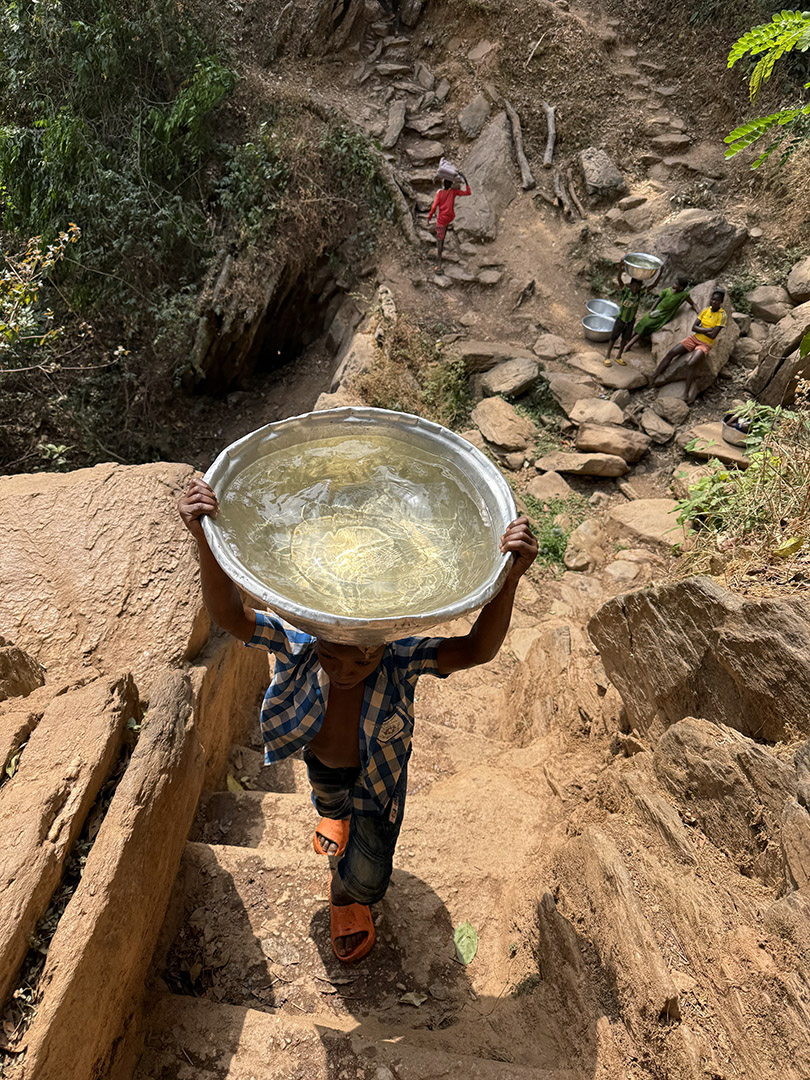
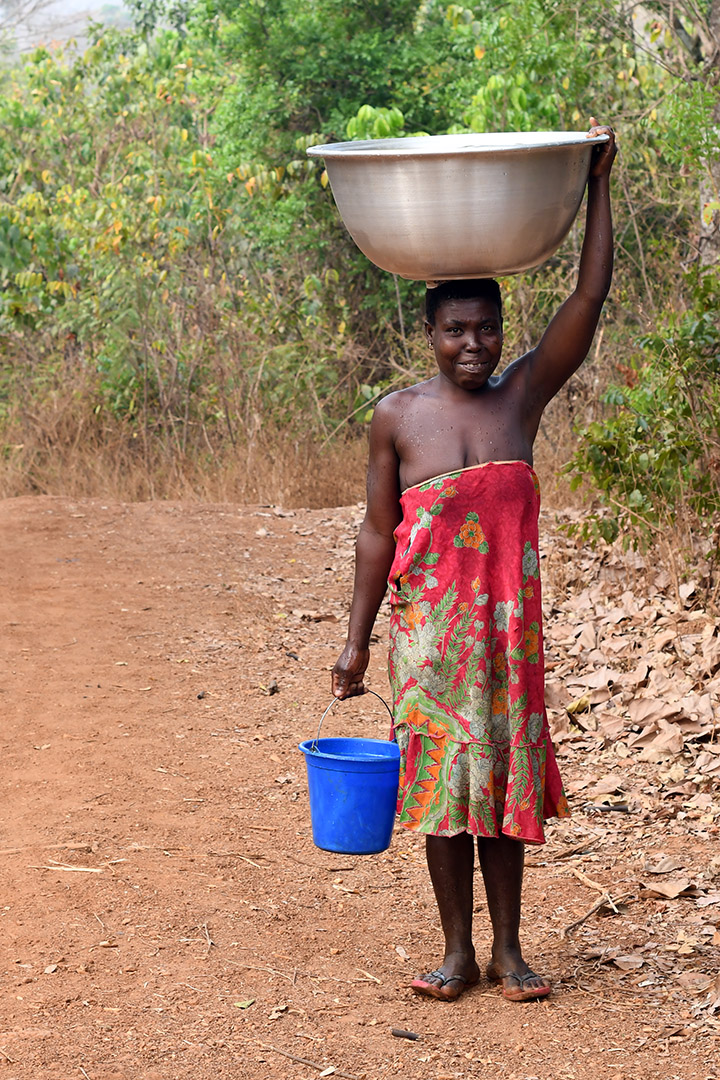
Soon, the Akyode dwellings began to thin, and we joined a trail headed down to a river. While the hanging village does have “network” (mobile phone service) and electricity, only footpaths connect the town to supplies, from firewood and rice to water. The rocky trail meandered up and down, and we were thankful for the short break in climbing. Sturdy children and mothers in the colorful dresses of Africa passed in both directions carrying laundry and fresh water. Ghanaian children are taught how to persevere. They are not sitting in the shade, waiting for something exciting. Life is full. As we crested an embankment we saw the cool waters below. Young boys and girls stood tall, waiting for pans of water to be placed on their heads. Eight-year-old girls did laundry with babies on their backs. Life is now. The children too large to be carried but too small to carry water splashed in the water, playing. Life is beautiful.
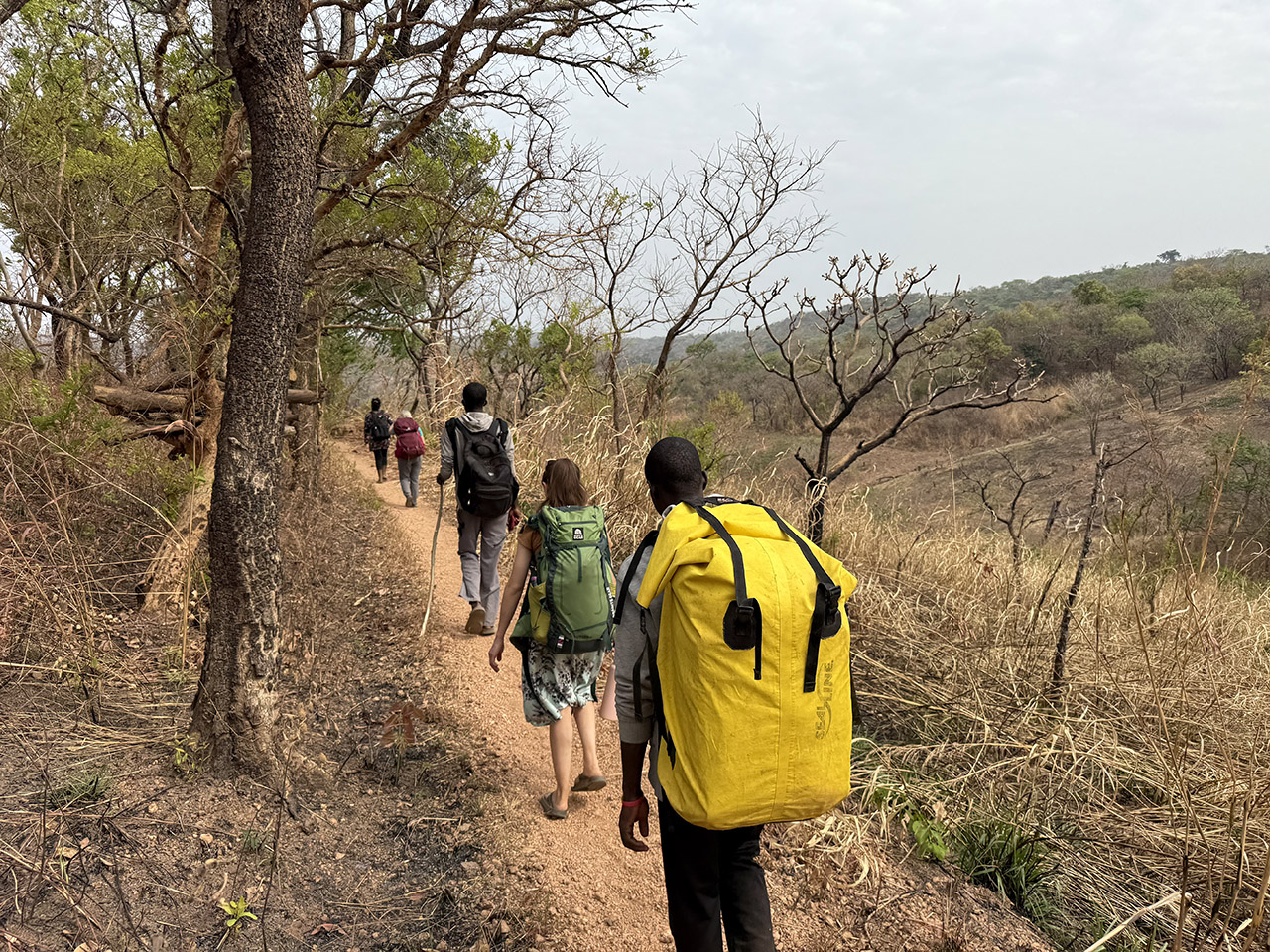
I looked down at the sweat dripping onto my shoes. The trail pushed up through the forest toward the peak. Oof. The heat and terrain turned the 5.25 mile hike into a very strenuous three hour workout. The beauty of Ghana and the anticipation of reaching the village propelled us forward.
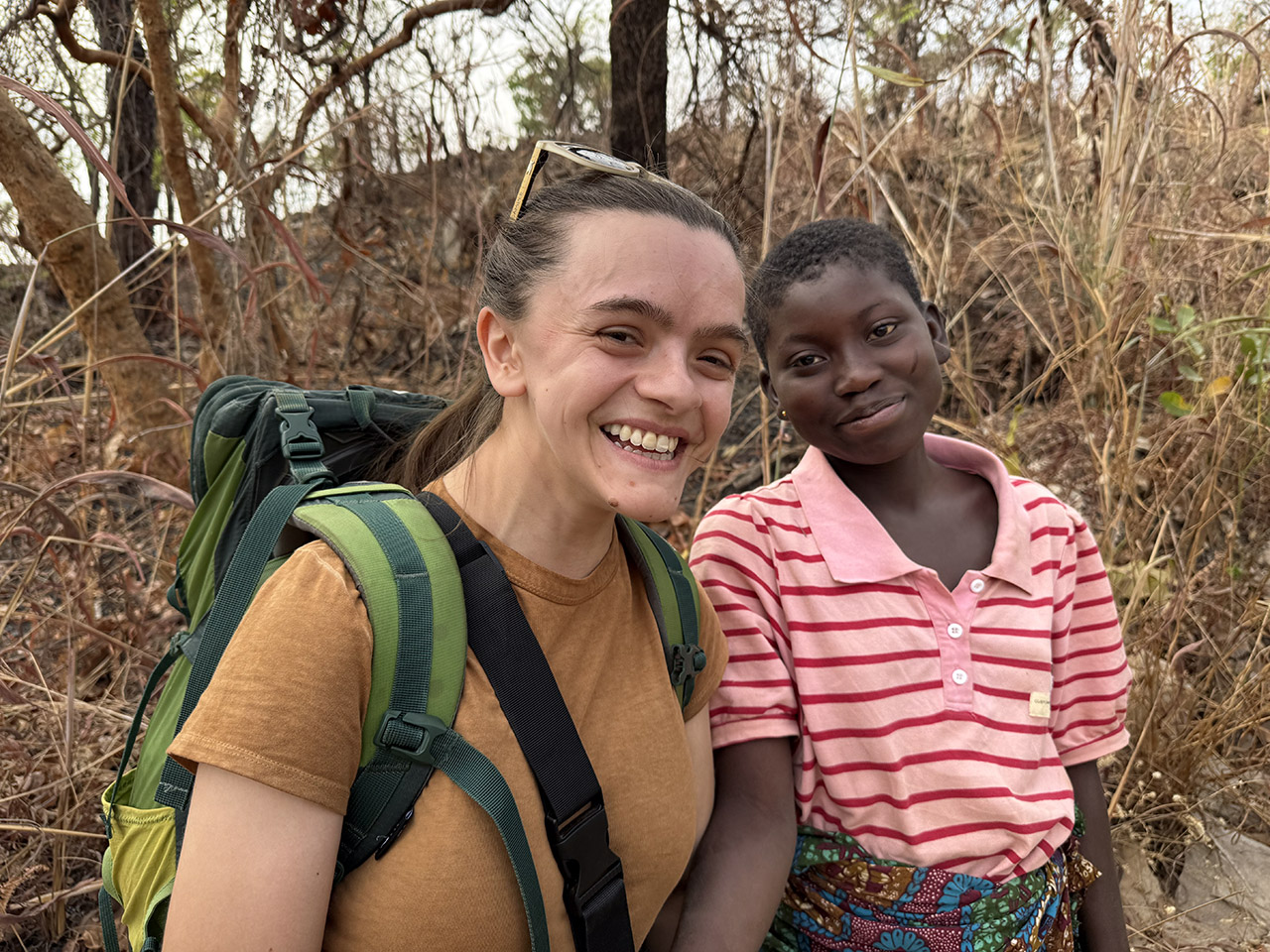
After several hours of hiking, we could almost smell the smoke of the cooking fires in the village. A small house! I glanced at my wrist — three hours had elapsed. Soon we were crossing an empty soccer field toward a joyful group of youth sprinting toward us. We were almost knocked over as Beauty, the fastest and most energetic of the young ladies leaped toward us. Beauty had the kind of smile that you cannot turn away from. It was a Psalm of praise written as a smile.
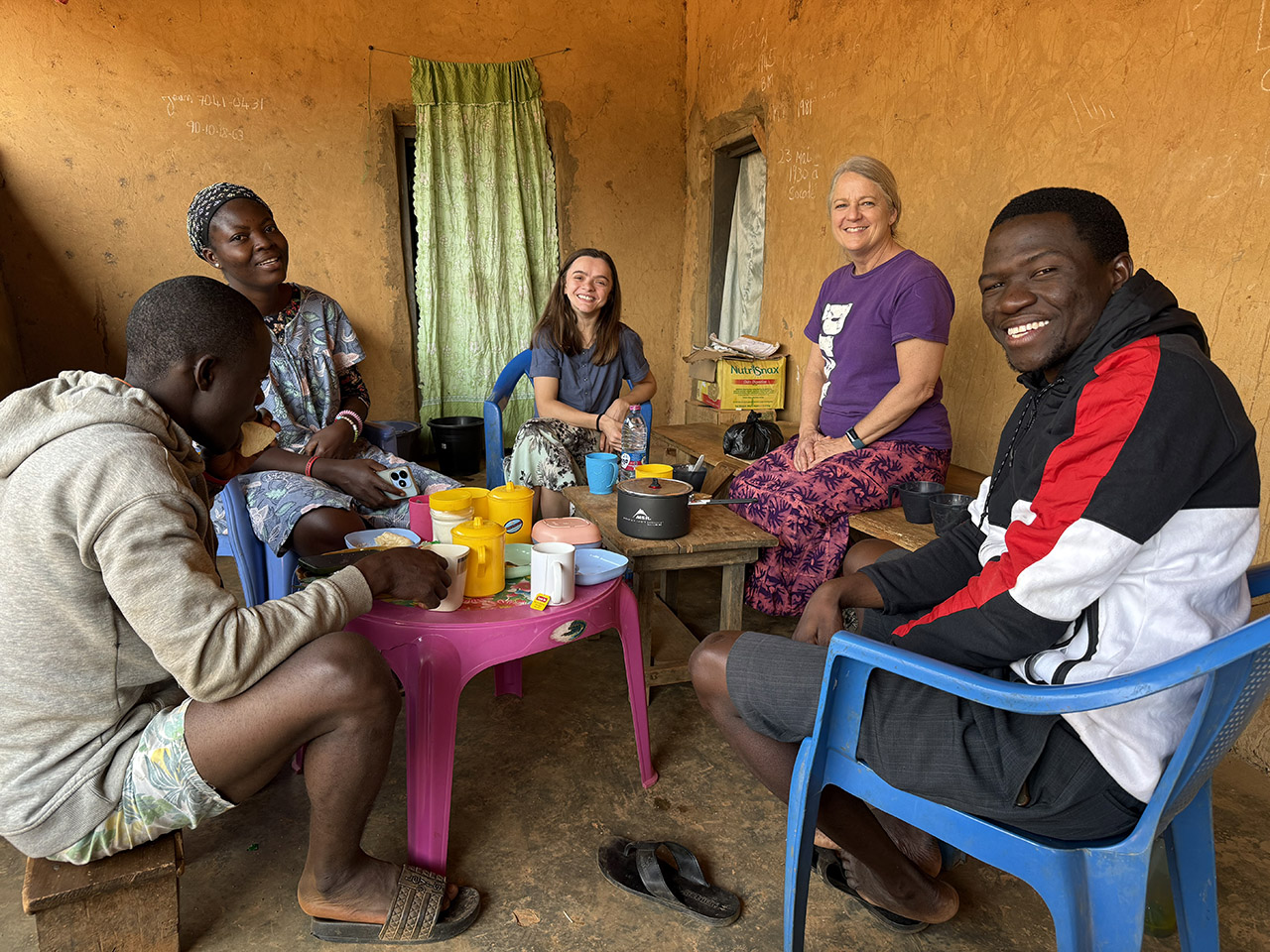
Our shoulders sang with their own praises as our backpacks fell to the dusty floor and we took a moment to take in and celebrate our accomplishment. Beth and Marianne were already meeting people and starting conversations. I was trying to reconstitute myself, from a gel to a solid.
Our friendsThe town
Before long, it was time for the second most important activity, a visit to the Chief. We were received warmly. Putting our previous experience to use, we slide from our chairs, squatted, looked down, and attempted to join in unison the requisite replies to the Chief’s greetings. “We come in Peace” Clement explained. We were once again offered water and then begin formal introductions. Forty or so curious children stood quietly nearby, only occasionally needing a “ssssssssssss” (the Ghanaian equivalent to “Shhhhhhh”). We wrapped up with smiles and a photo. Our friends have been working in the village for a couple of years. All was well.
The Chief (center bottom) and the school headmaster (bottom right)
A warm and hearty meal brought restoration. Speaking quietly, we learned of just a few of the challenges faced by the small village. For more than two years, they have each worked tirelessly to reach the people of the remote village with kindness and love to share the Good News. There are no churches here, just a small Bible study. The recent conflicts have disrupted daily life. A few weeks ago, a police helicopter landed on the soccer field and troops walked around the town before leaving. The show of force has left the town of only 1500 cautious. School has been cancelled. Compounding this recent issue, respected authority figures in the community have told residents that if they become educated, they cannot serve the idols spread across the village. Our hearts are broken for the people of this village.
Red Red (left) and Plantains (right)
Yet there is hope. Friends have been sharing peace and showing the youth what Jesus taught – to love God and love your neighbor. Their faces beam with true joy. The Chief has allowed Clement to show the Jesus Film outside a home.
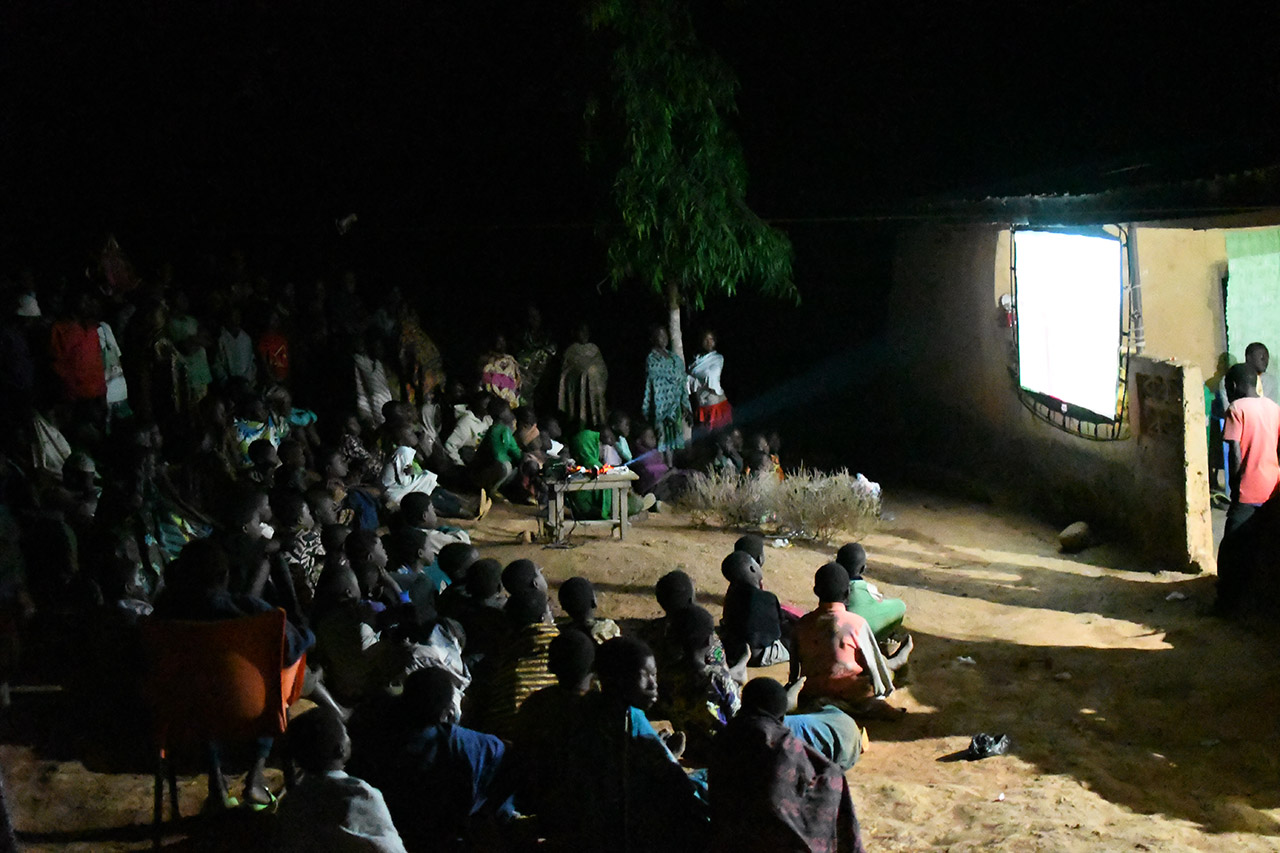
With an orange moon hanging over the village, Mars, Jupiter, and Venus all made an appearance, lined up across the inky sky. Chilly and still, the night air breaths vigor back into my exhausted body. More than one hundred gathered to watch the video in Gikyode (the language of the Akyode). Beth, Marianne, and I pulled chairs into the darkness, beside the attentive audience, and just soaked it all in, snapped photos, and prayed. At the end of the movie Clement spoke to the crowd, prayed, and everyone quietly returned to their homes. Minutes later, we were laying on our mattresses, listening to the sheep.
The Jesus Film, played for the town
The School of Fun
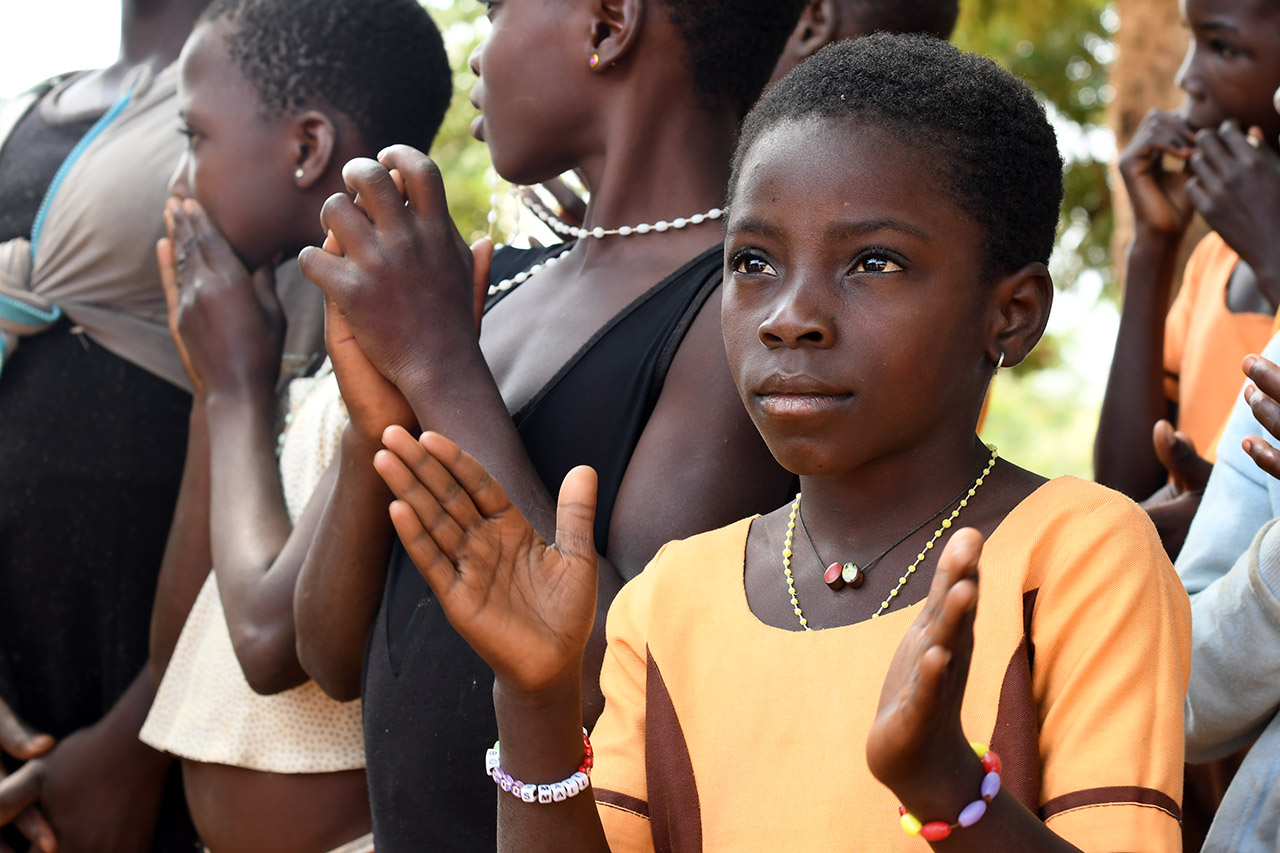
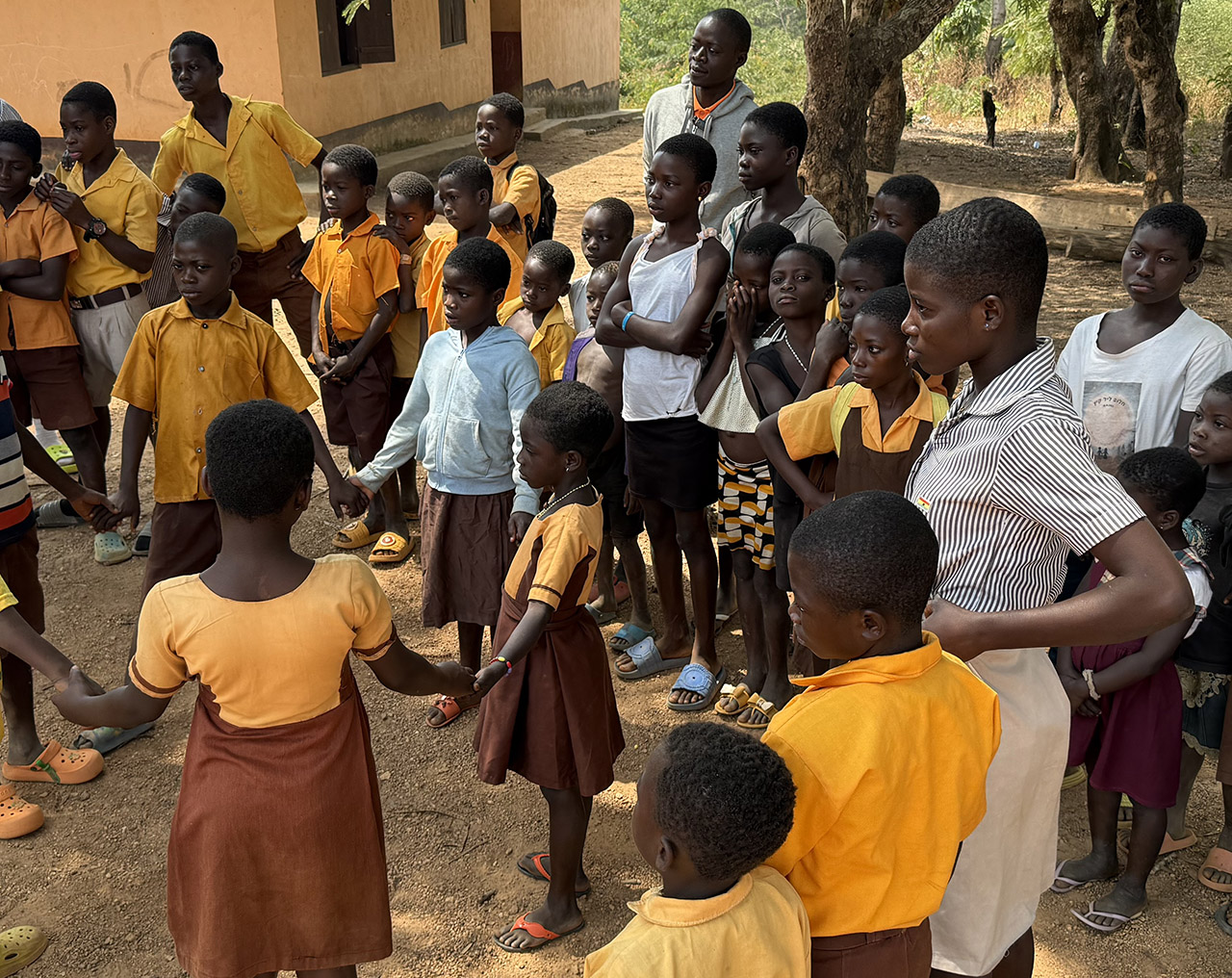
After a quick breakfast, we strolled to the school. Even with school cancelled, about a third of the young children have donned their school uniforms and play outside the empty classrooms. Their eyes are bright and attentive. Small grins of curiosity flash across even the most stoic and cautious of the children. The irresistible draw of learning pulls them toward us. With the headmaster giving his approval and selecting a young man as translator, Beth steps forward with confidence and smiles. “OK! We are going to teach you a song. Boys stand here, Girls stand over there”. The kids are unsure. How will they participate? It feels like as many are looking at each other, to understand how to react, as those looking at Beth. She starts with the girls. “You will sing this: Hallelu! Hallelu! Hallelu! Hallelujah!”. Before long, the girls are in unison, singing freely. “Ok, now it is time for the boys” Beth explains. I moved to a position in front of the boys and young men to help bolster their timid voices. Sing “Praise ye the Lord” Beth instructs. The boys have weak sauce. I flail my arms and belt it out like Pavarotti. Their giggles and smiles provide fuel. With laughter and joy Beth leads the kids in faster and faster rounds, instructing the school kids to squat when they don’t sing and leap to their feet when it is their turn to praise. WOW. Applause and cheers end the song time.
Then Marianne takes the lead. With a strong clear voice she explains that they will learn a true story from the Bible. After Marianne shares how Jesus calmed a storm while standing in a fishing boat, we pull together the children to help act out the story. Six children holding hands form the boat. A tall young lady in a tidy pinstripe dress is assigned the part of Jesus. Two small boys tag along as the disciples – our boat was small. Everyone else gets to be wind and waves. Marianne tells it once again, and again, and again – each time the actors playing their parts with increasing enthusiasm. With a little prompting, one of the older school kids is ready to tell the story on their own. We provided encouraging smiles and nods as the young man repeats the story. How wonderful.
A small village with no electricity, no internet, and reached via a three hour walk from the nearest Ghanaian road. Two young adults, dedicated to sharing the Good News of Jesus live in that village. The work is hard. The opposition from traditional authority figures is real.
The next morning, scattered clouds, high and thin across the sky provided relief from the heat as we followed the trail back to the final river crossing, where Ray was waiting. As we hiked, my pack was lighter, yet my thoughts were occasionally heavier. The faith, courage, and strength of the young Ghanaians serving here in Northern Ghana is humbling, and I was feeling the weight of self-reflection. I know the Ghanaians appreciate that Beth and I have helped them build the BiblePlus program over the last 13 years, yet every trip to Ghana forces me to reflect on the obvious – I learn more from their faith, courage, and strength than they do from me. The trip was a powerful reminder. Thank you, Lord.
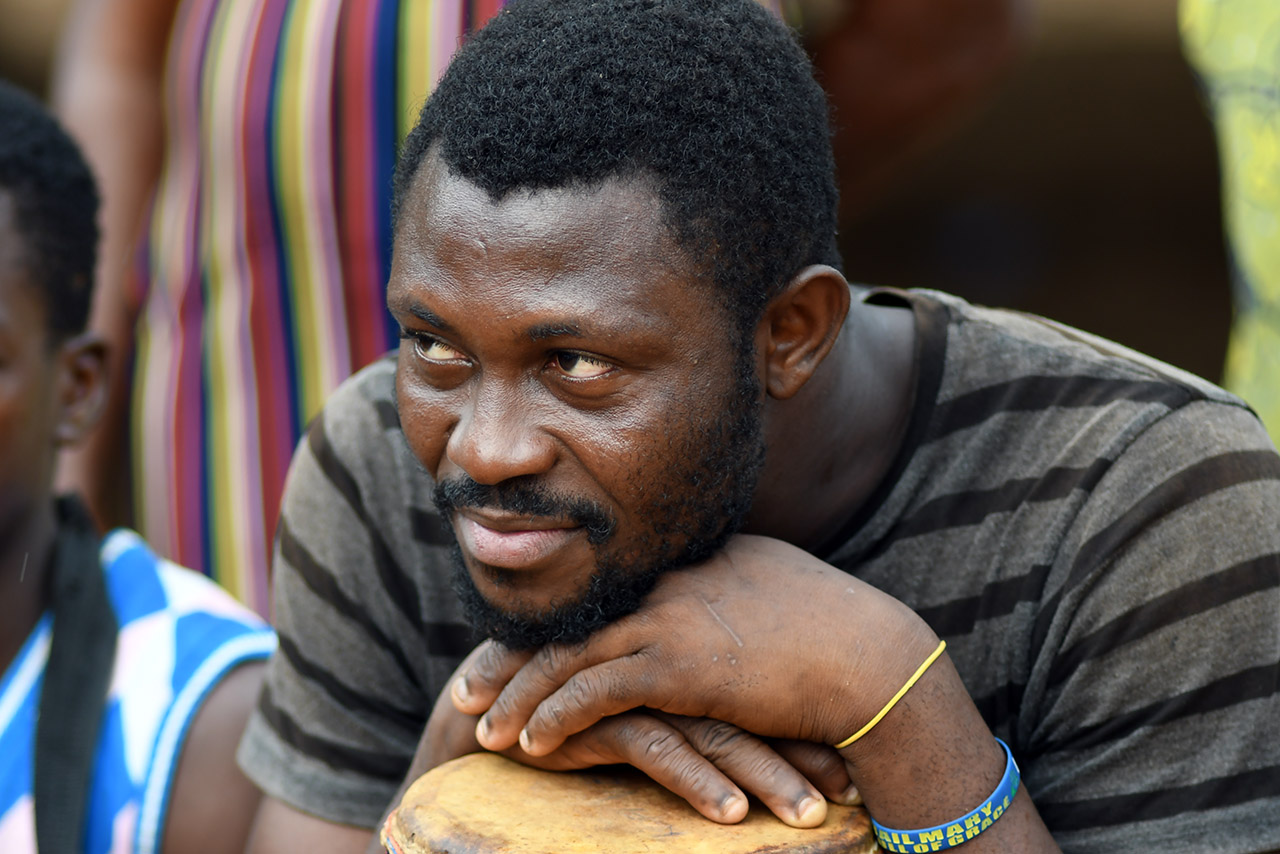
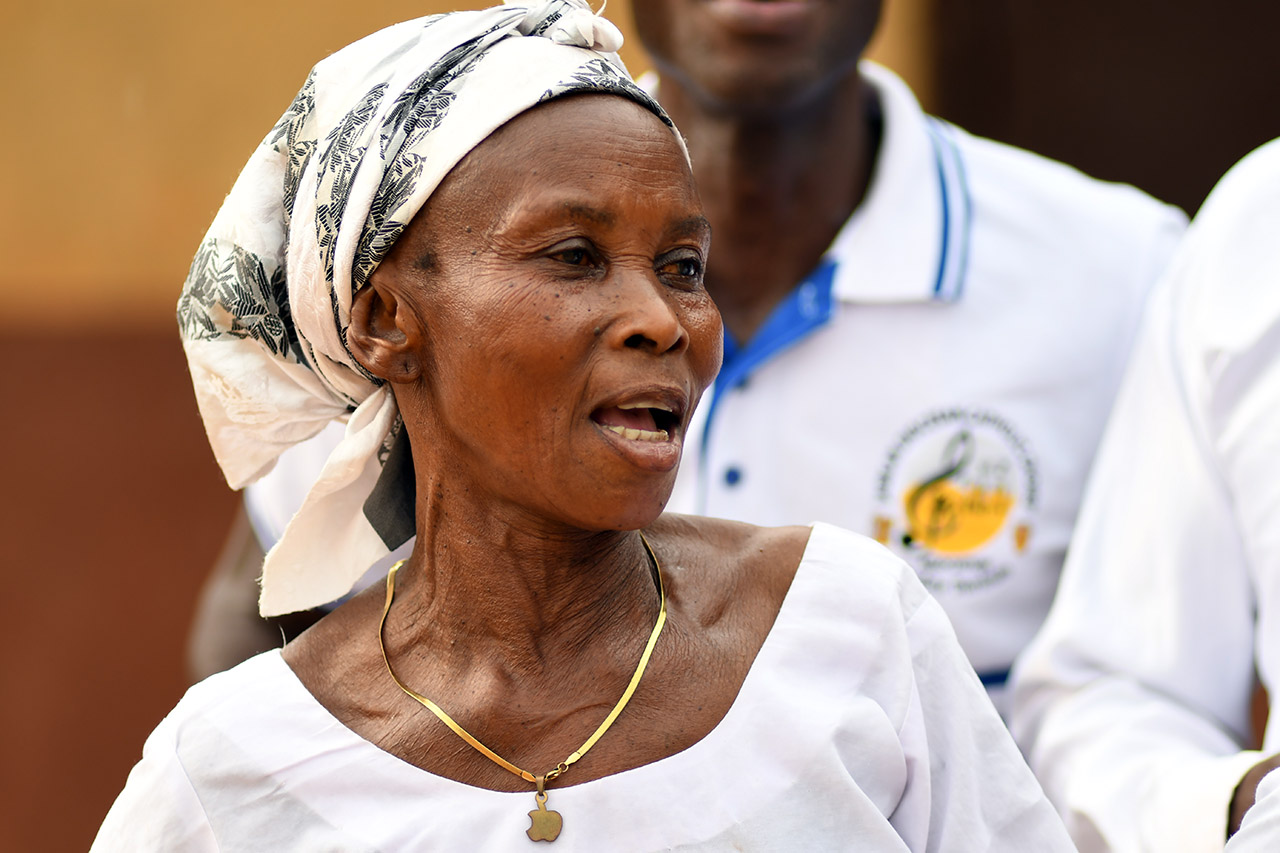
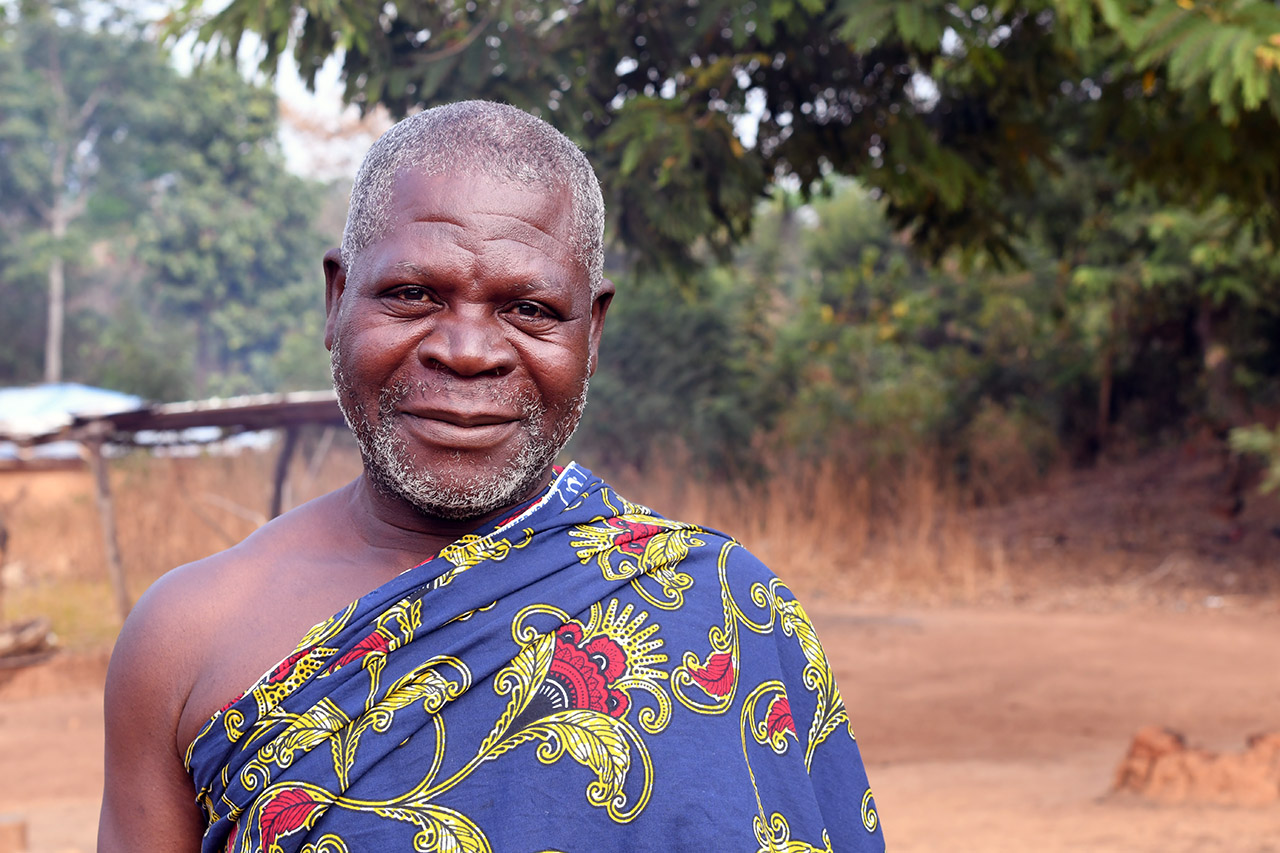
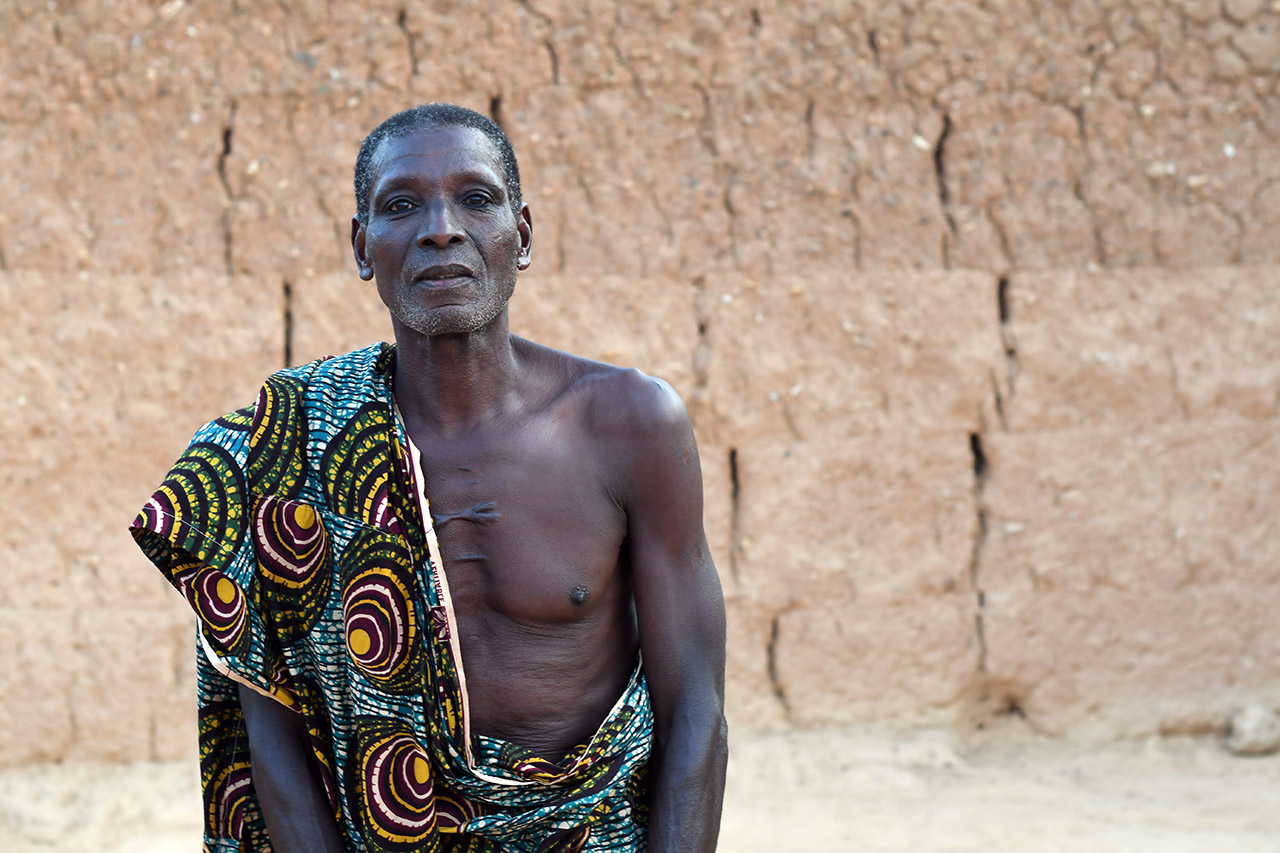
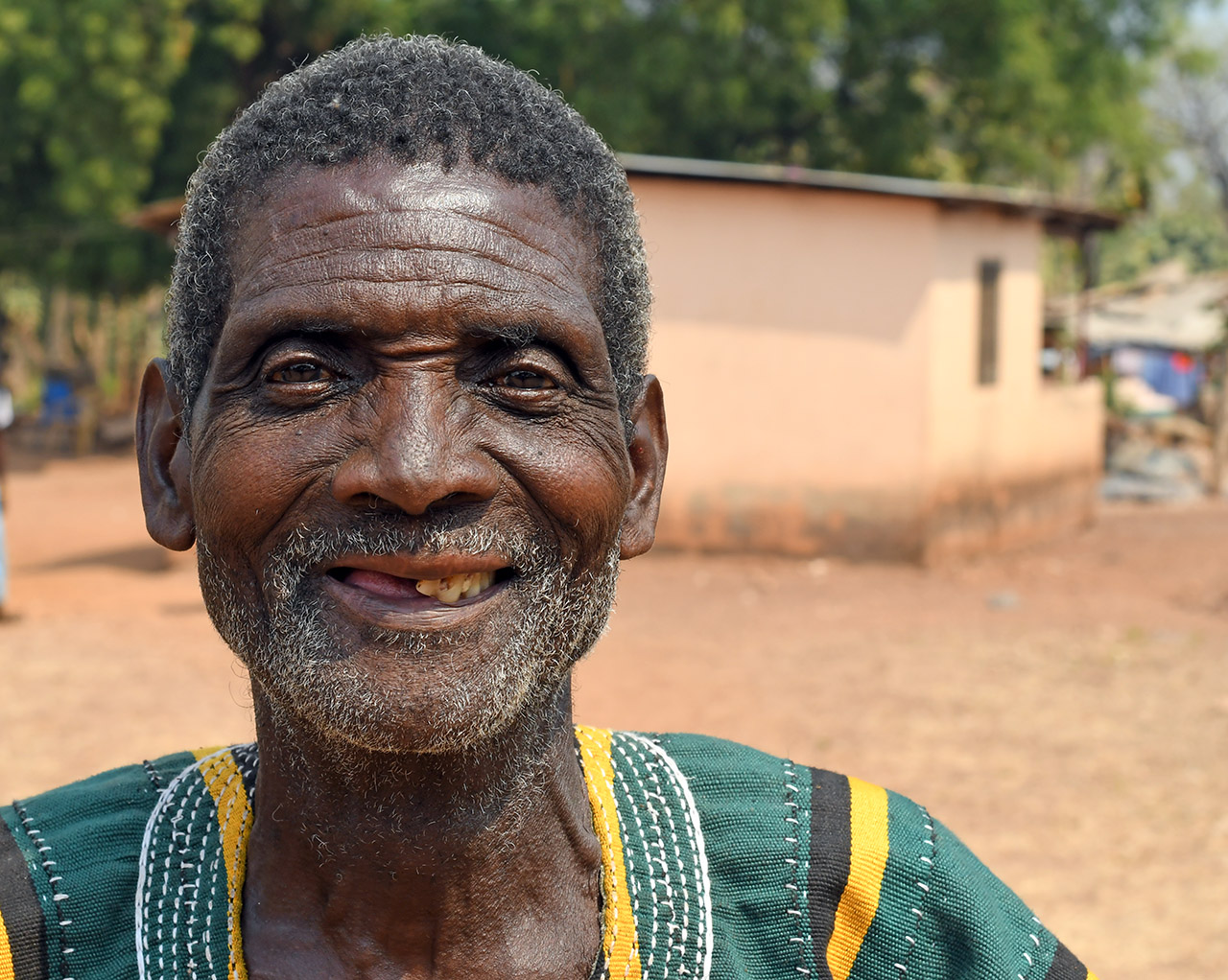
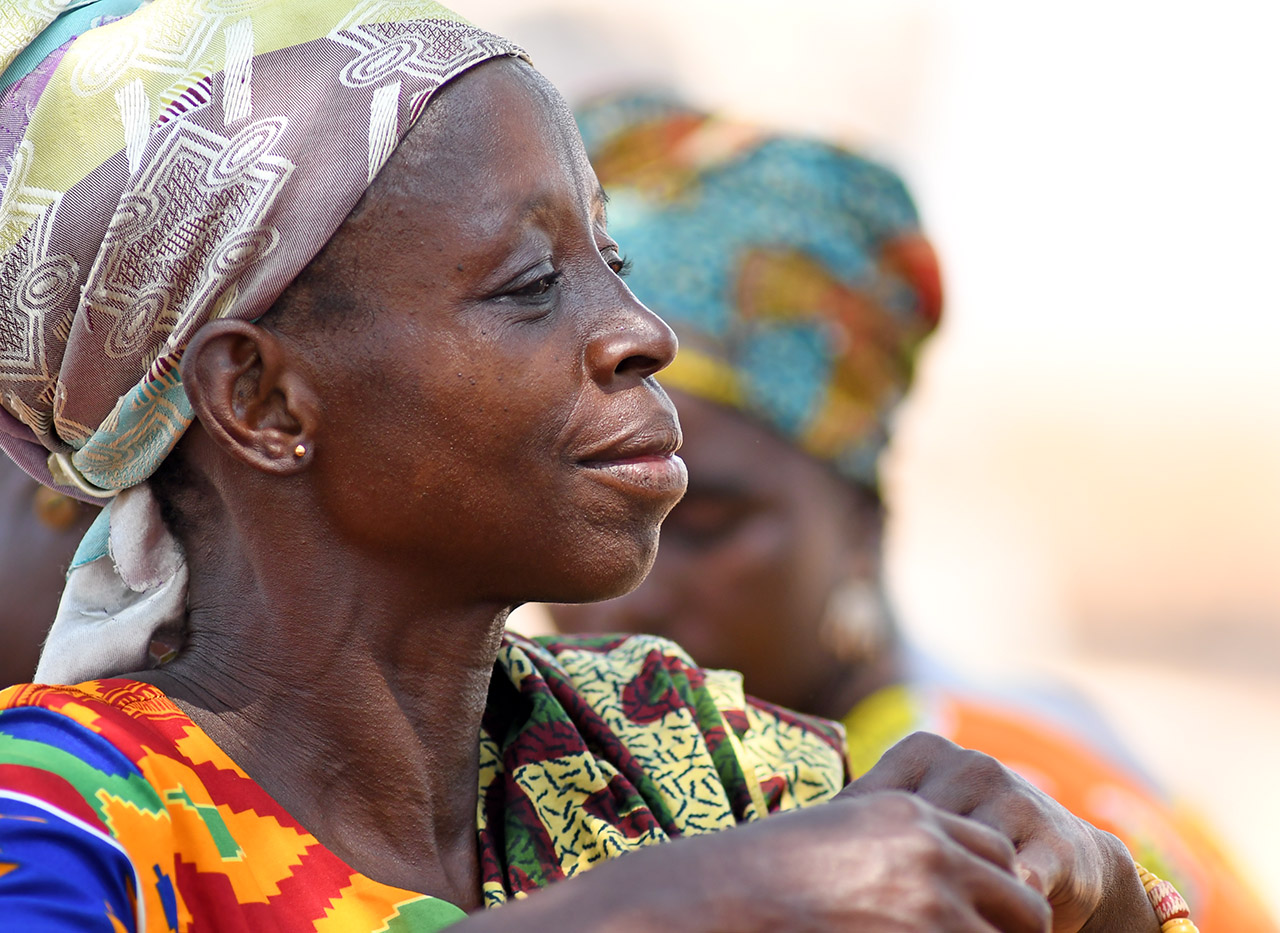
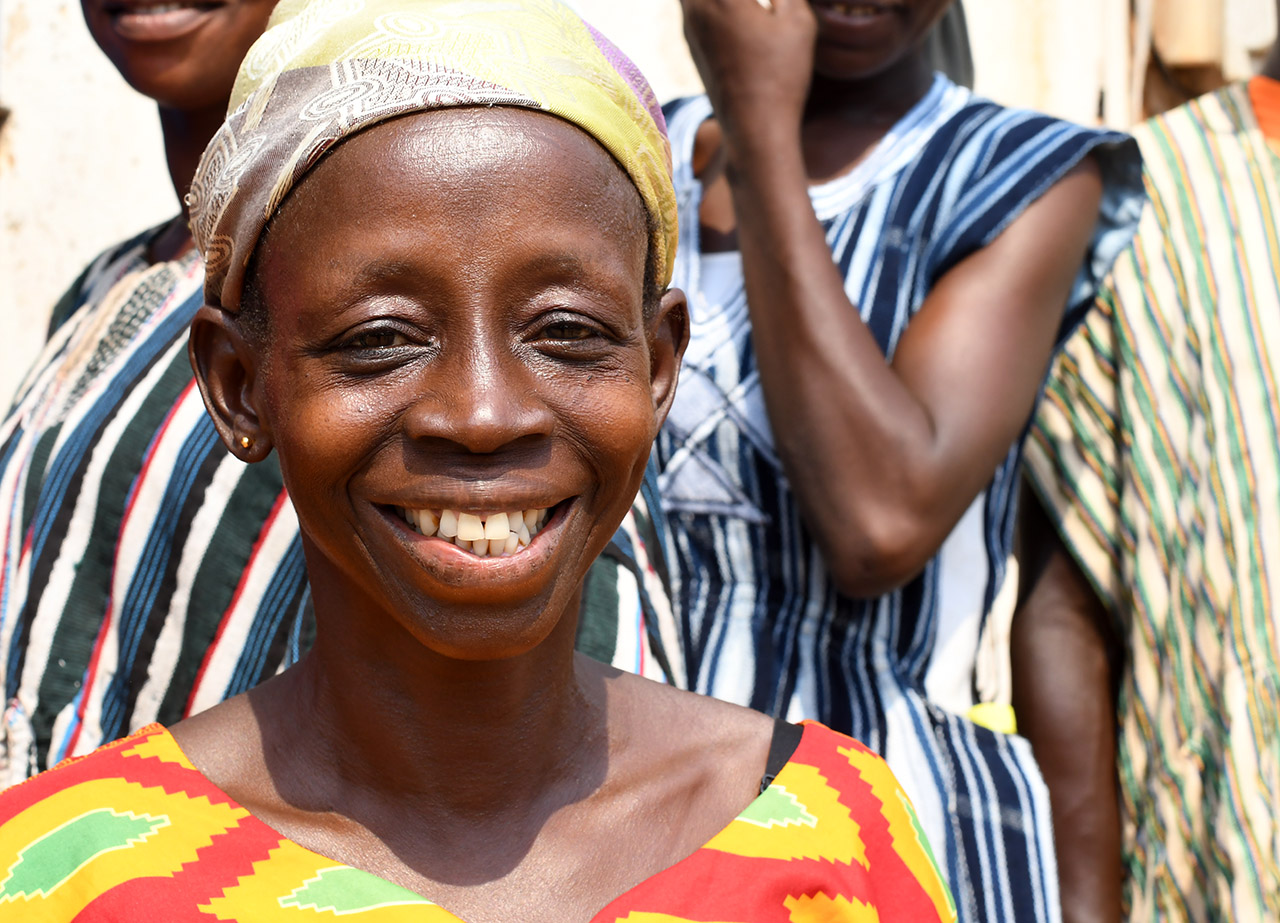
What can a smile, framed with the deep wrinkles carved by a lifetime of farming under the sun reveal?
Can his eyes sing of joy, when his voice is weak, and he offers his praise from a chair?
The author of Ecclesiastes asks: What do people gain from all their labors at which they toil under the sun?
We were invited to assemble, to sit, to hear the melodies, to celebrate their dances and experience the rhythms of praise.
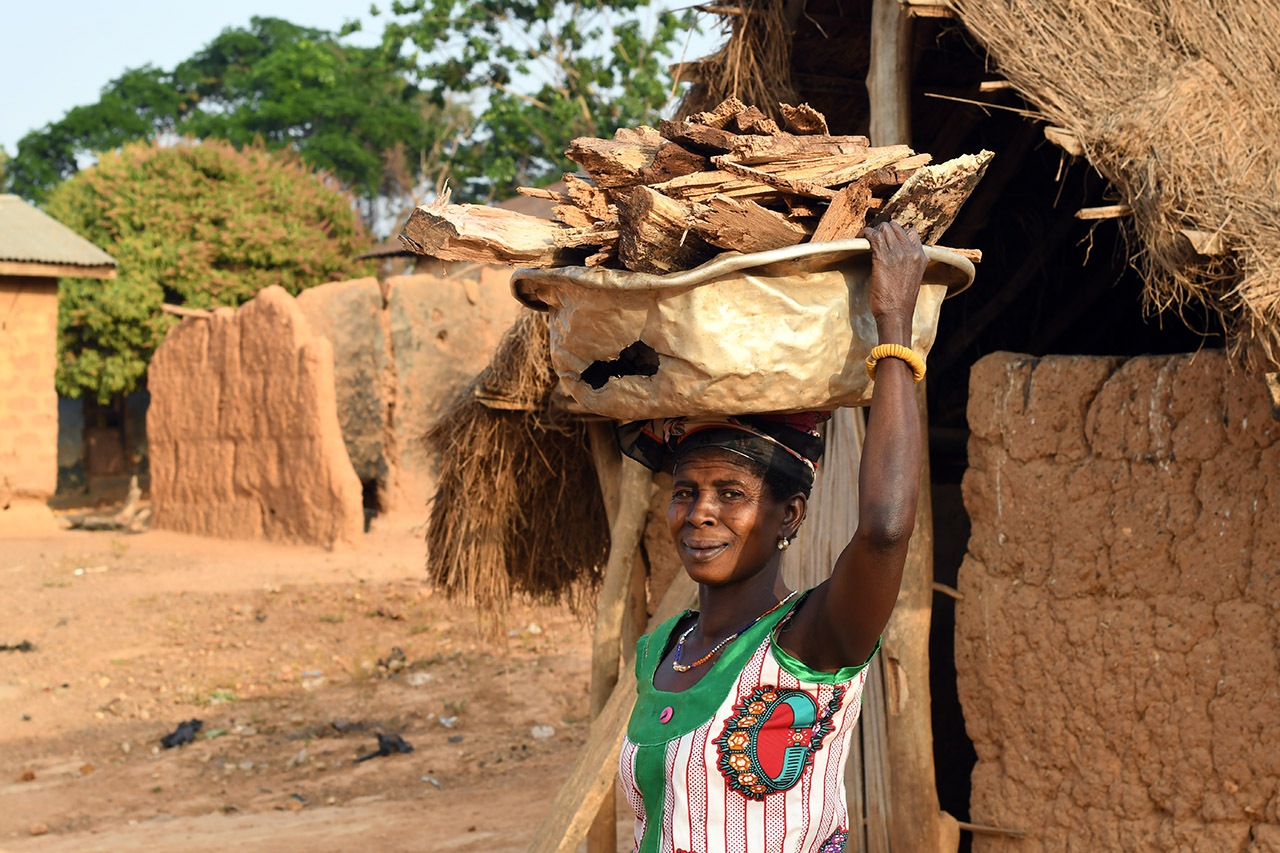
But praise? There is toil under the sun to fetch water, to find firewood, to tend fields and care for livestock, to pound cassava into fufu, to scrub the red dust and animal dung from clothes, and to build homes block by block.
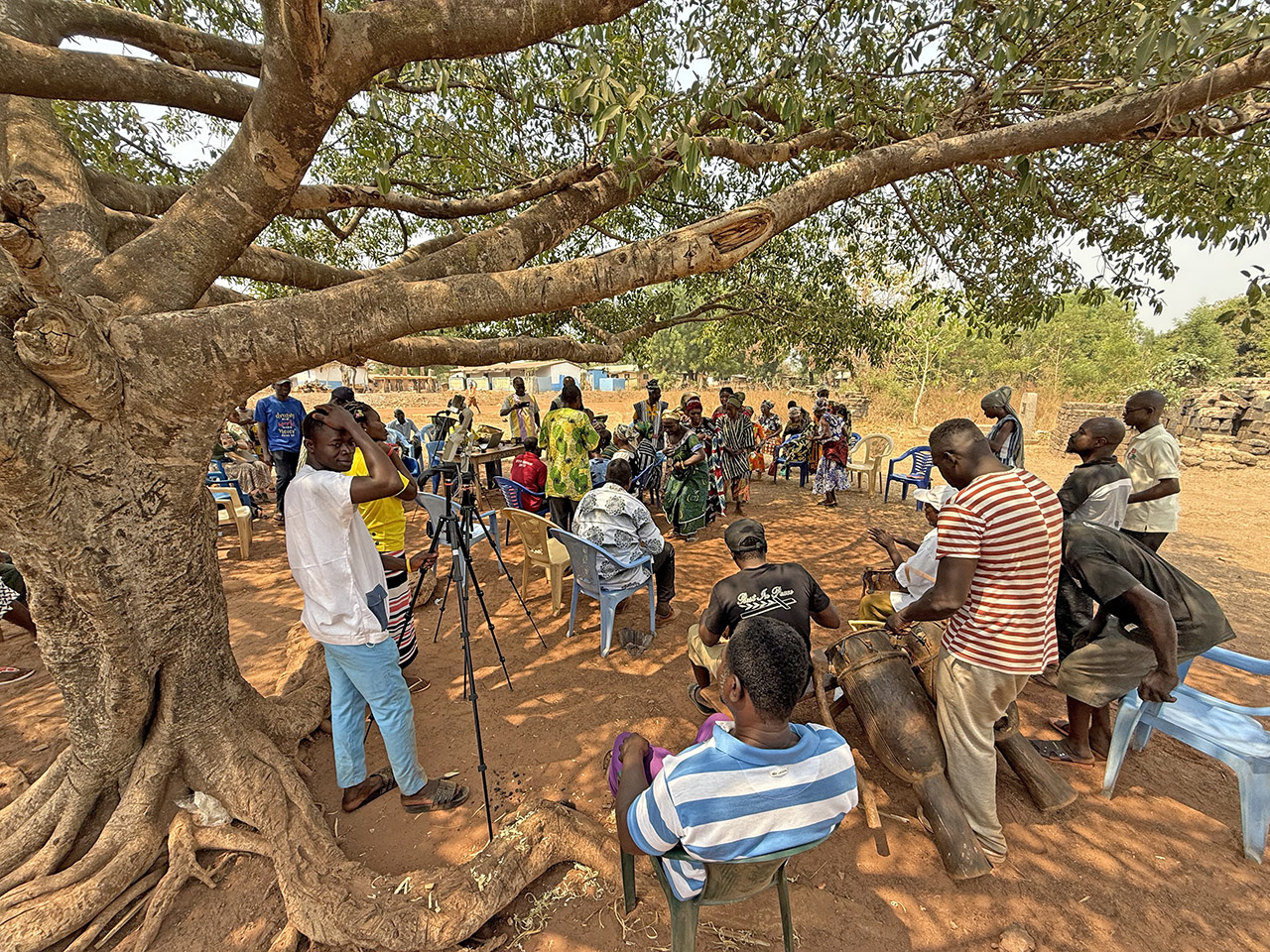
We built a studio under a massive tree, its branches lifted up, poised for celebration. Dozens of indigenous songs were carefully prepared by two choirs. When everyone was ready, they began.
The praise grew slowly until the crescendo of drumming unlocked voices and the choir transformed from singing to praise.
After checking on some of the video and recording gear I sat down next to Beth. I reached over to squeeze her hand. She tried to speak, but her voice was so full of emotion she could only smile, her eyes glistening. She finally just exclaimed, “Do you hear the harmony – it is so beautiful”.
Enjoy the videos below, even though the short iphone videos could not capture the richness of the music (we will produce the audio tracks from the studio mics later).
Penned 3000 years ago, it remains a relevant question. “What do people gain from all their labors at which they toil under the sun?”
When we stop chasing the wind and follow the Lord, will our toil under the sun bring satisfaction? Can our lives blossom with joy? Beneath the shade of an old tree, the bright colors, vocal harmonies, and complex rhythms were woven together into a musical Kente. The answer is simple.
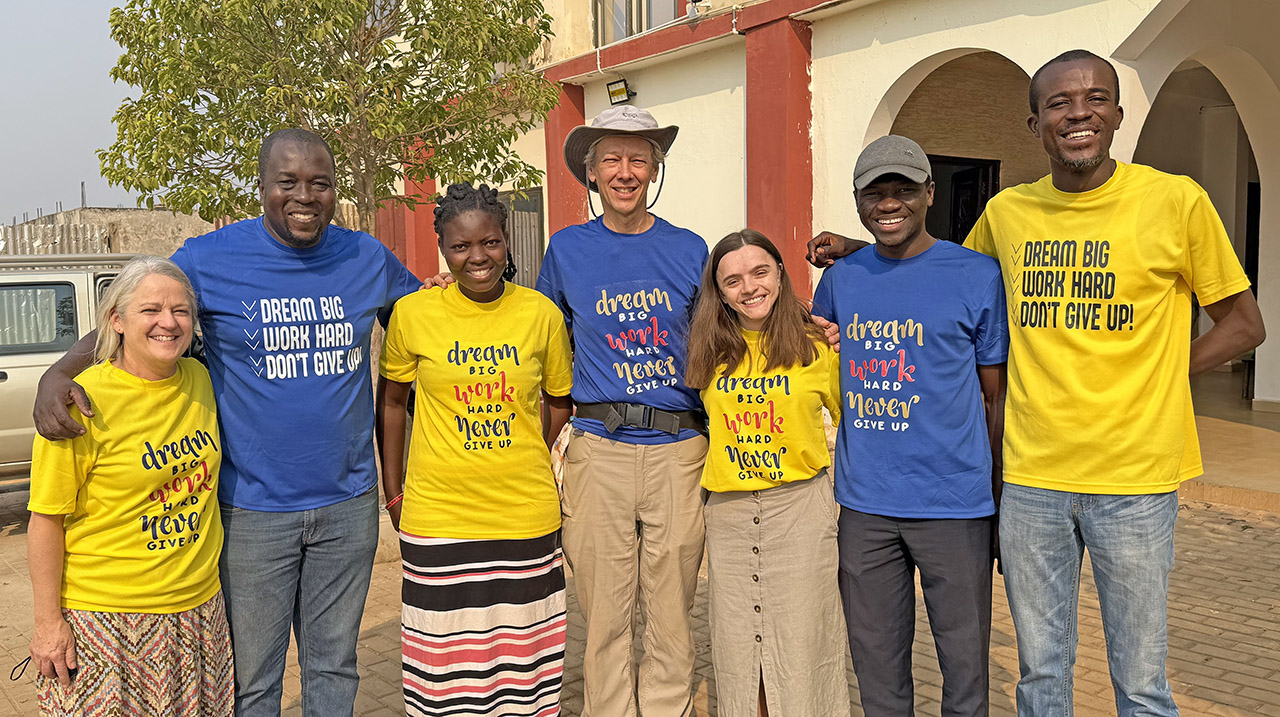
When the choirs were finished, we recorded Bible stories and exhortationsCommunity health topics, provided by an employee from the local clinic,A team photo before we said goodbye to Marianne, who went on to Greece.
As a child growing up in Shiare, a village perched on the slopes of a mountain, he was known as Kojo, a nickname given to boys born on Monday. A small Catholic school, nestled among the hand-built homes, provided Kojo with his only opportunity for structured education. Yet among the Akyode, educated children were ostracized and forbidden from participating in the sacrifices and idol rituals central to their ancestral beliefs. In 1979, two courageous women from Wycliffe, Linda and Natalie, moved to Shiare to learn Gikyode, the language of the Akyode. Kojo, who had decided to follow Jesus several years earlier, had chosen a new name: Augustine. The bright, inquisitive eleven-year-old was eager to understand why Linda and Natalie had come to his village—a place without electricity, a road, and occasionally unwelcoming to outsiders.
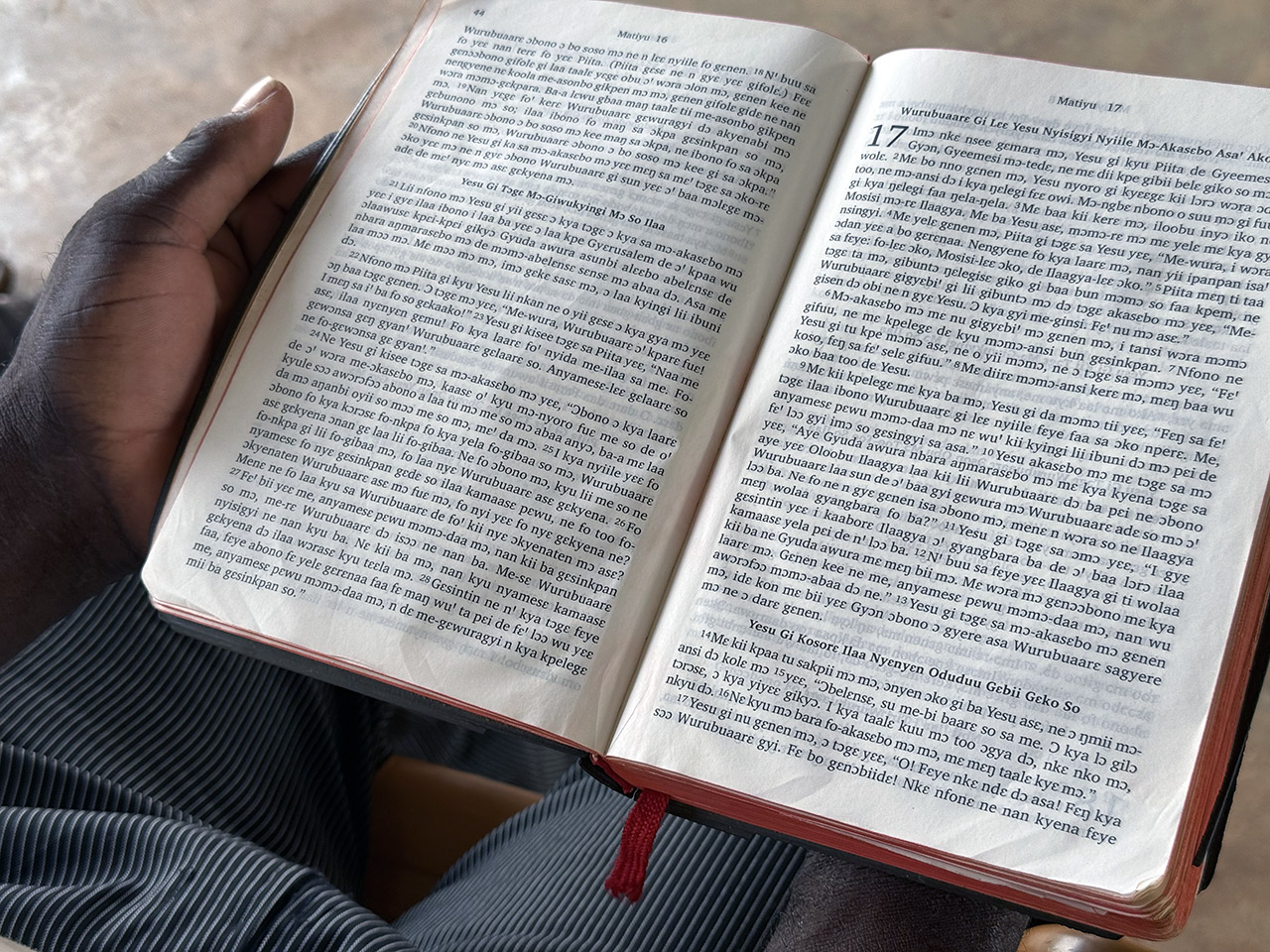
Gikyode was an oral language with no alphabet or written form. As trained linguists, the women first needed to develop a phoneme inventory—a systematic catalog of the sounds used in the language. Achieving fluency in Gikyode required complete immersion in the daily life and culture of the Akyode people. Only then could they carefully select an alphabet that would capture the richness, uniqueness, and remarkable character of a language spoken by just 18,000 people.
Augustine eagerly offered to help as the two women developed “primers” to teach the newly written language to schoolchildren. An alphabet without readers is like a carefully prepared banquet without guests. Everyone was invited to learn, refine, and improve the orthography—the set of conventions governing how the language was divided into words, spelled, and punctuated.
Augustine was captivated by the work, and when the 14-year-old left the village for secondary school, his passion for language deepened. By 1991—twelve years after the women had arrived in Shiare to learn the language and share life with its hardworking people—Augustine began returning home during school breaks to help translate the Bible into Gikyode. Before long, he was taking Bible translation courses in Tamale and working on translating the Gospel of Matthew as part of the Ghana Institute of Linguistics, Literacy, and Bible Translation (GILLBT) team.
After the Gikyode New Testament was completed in 2000, Theovision, a Ghanaian mission group with expertise in audio recording, arrived to produce an audio version. Augustine and the other translators eagerly participated, lending their voices to the very verses they had painstakingly translated into their mother tongue. By 2005, the audio version of the Gikyode New Testament was freely accessible on the Internet, making the scriptures available to an even wider audience.
I listened to Augustine’s rich baritone voice and watched the warmth of his humble smile as he shared his story with me, while the shade of the tree above offered us refuge from the heat.
To understand why I was sitting under a tree asking Augustine about his life, we need to flash back to a few days earlier, when our entire team was in a remote village—a three-hour hike from the nearest road (see Climbing to a Remote Village).
Beth had forged a partnership with Lumo years ago, and a few months before our departure to Ghana, she requested the Gospel of John video in Gikyode. Lumo provided a link for Beth to download each of the 21 chapters. Using ffmpeg, I concatenated and re-encoded all the videos into a single movie file that could be stored on a USB stick and carried to remote villages. The Lumo videos pair narrated audio from the Bible with beautifully filmed video of actors portraying the events described in the text. You can watch the Lumo Gospel of John (in English) on YouTube.
As night fell over the remote mountaintop village, Clement set up to show the Lumo Gospel of John from the USB stick Beth and I had prepared back in Naperville. But as the video began, the gathered children exchanged puzzled glances, and the adults shook their heads. No one could understand the audio. “That is not our language,” someone told Clement.
There we stood in the darkness, holding a USB stick with the wrong language. Around 80 to 90 people stared at us, shifting restlessly as we scrambled for ideas and next steps. Finally, Clement realized the Twi version on the USB stick could be used, and started the movie. Twi, the most widely spoken indigenous language in Ghana, was familiar to most of the teens and adults—at least enough for them to catch some of the meaning. Still… we were disappointed.
The following day, after a three-hour hike back to Nkwanta, we discovered that the Lumo video we thought was in Gikyode was actually for a language spoken 900 miles away in Cameroon. Lumo quickly provided a new download link, and from a blue plastic chair pulled into the shade of a tree, I began downloading the Gospel of John over a mobile phone network.
After downloading a few chapters to my laptop, I walked into the church where Cyrus was recording audio and asked Augustine to step outside and help me. I chose Augustine because he spoke excellent English and, as a native Akyode, he could confirm whether the videos I had just downloaded were indeed in Gikyode.
Augustine followed me as I escaped the bright sun and settled once again under the tree. As I fumbled with my laptop, I explained to Augustine, who had never heard of the Lumo videos, how they combined recorded audio of the Bible with their own video footage to create films.
The critical moment had arrived. With just a few clicks, I would know. I started the video and asked Augustine if the language he heard was Gikyode.
Augustine watched intently with a sublime expression. Slowly, he began to smile. Yet he was holding back, he was still listening.
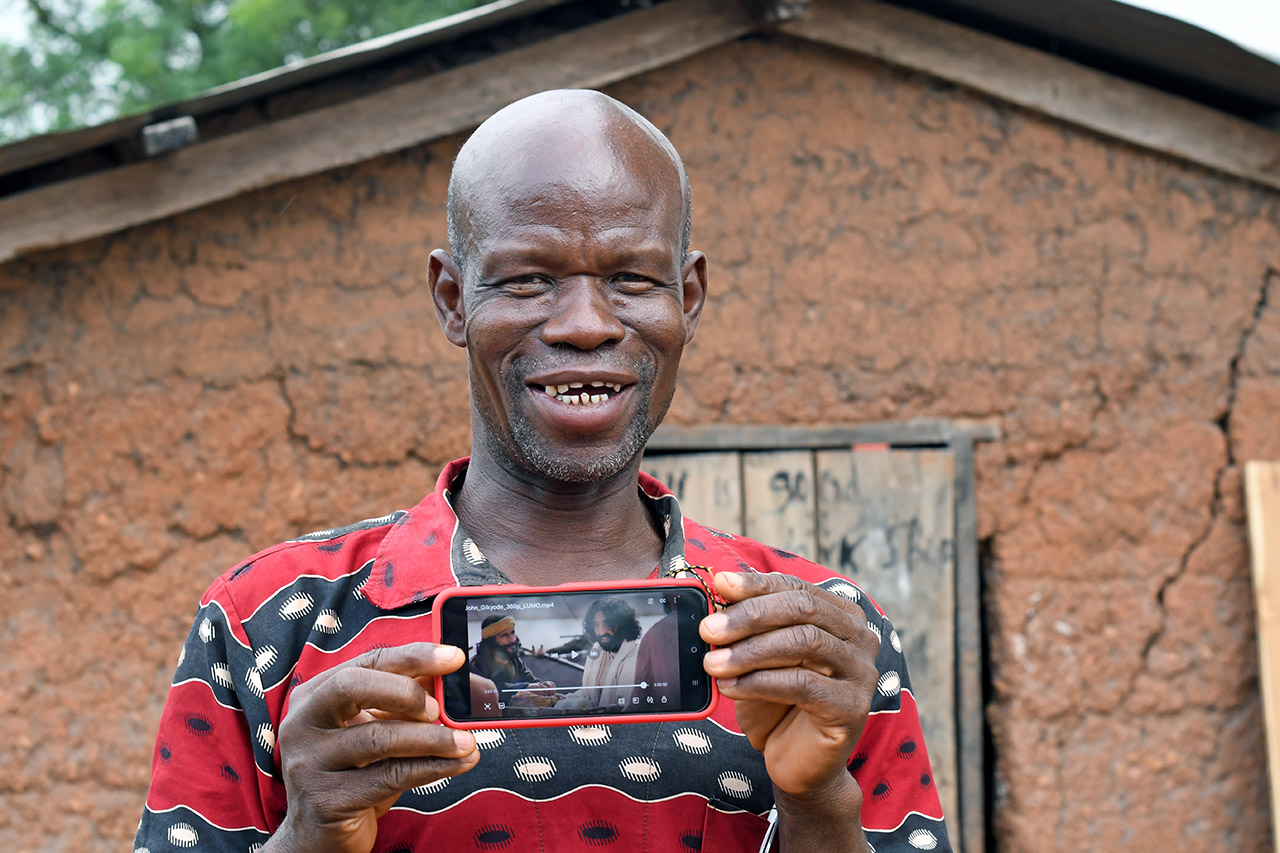
“That’s my voice!”
“That’s my voice!”,
he said again, now beaming.
We were listening to the Lumo video, which included the audio recorded by Theovision. Augustine was listening to audio of his voice recorded 20 years earlier.
He had just learned that his voice had become the sound track for a gorgeous three hour video.
We both sat, stunned, smiling, and nearly speechless.
A circle, 46 years in the making, had just been completed.
• 1979: Wycliffe translators Linda and Natalie arrived in Shiare to learn Gikyode and begin translating the New Testament. They encouraged Augustine’s faith and included him in their work.
• 1994: Augustine graduated from GILLBT and began working on Bible translation.
• 2000: The New Testament in Gikyode was completed.
• 2005: Theovision recorded the audio of Augustine reading the Gospel of John.
• 2015: Lumo releases their first video, the Gospel of John in English, and begins working to produce hundreds more for different languages.
• 2025: OneWay visited the Akyode, recording audio for BiblePlus.
Forty six years later, Augustine exclaims “That’s my voice”.
I’m still in awe.
Augustine told me how he felt watching the video.
“It made me feel as if I’m taking the place of John, who was speaking his original testimony”.
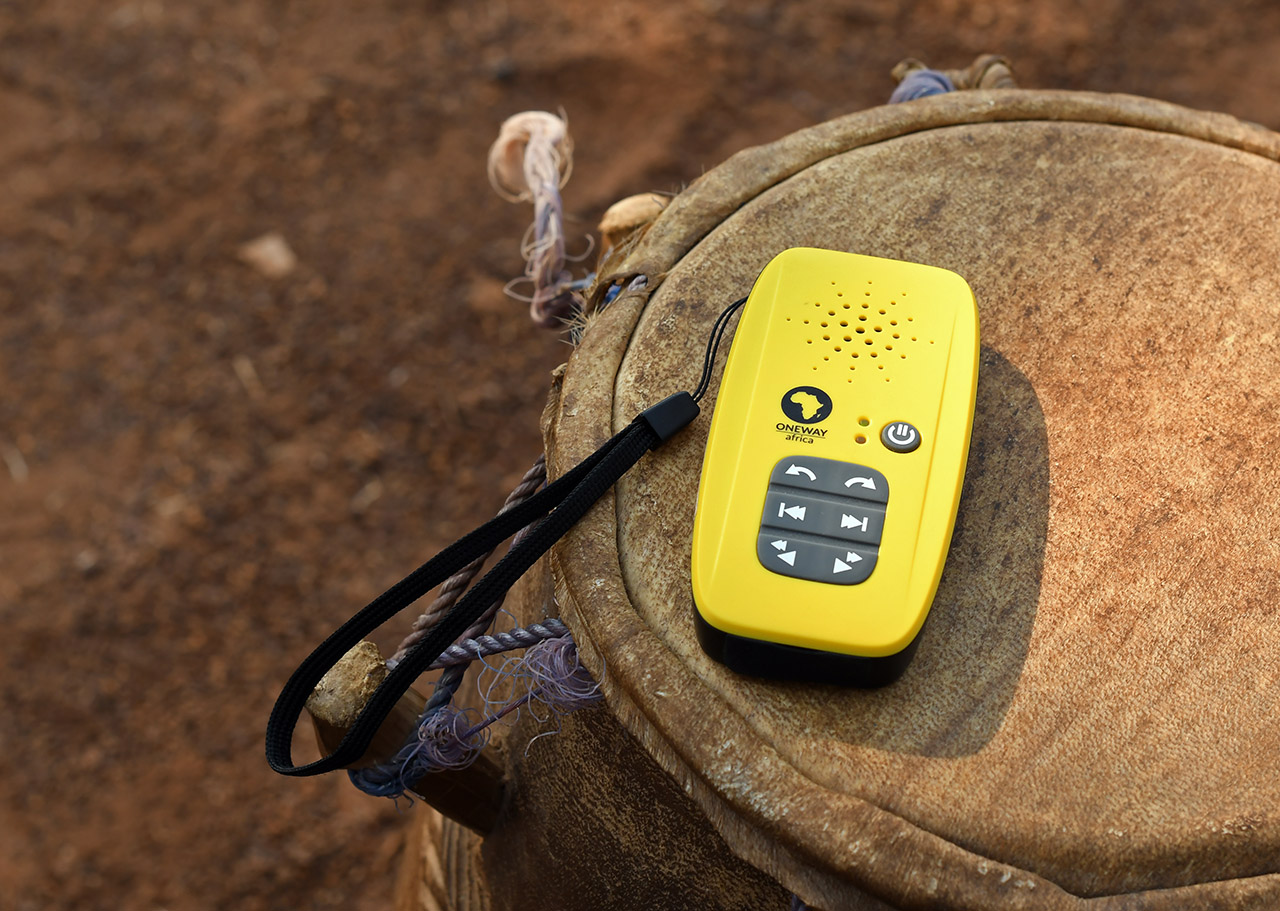
Later this year, the first BiblePlus solar units and microSD cards will make their way toward the Akyode people.
I asked Augustine to describe how combining the audio Bible, videos, choirs, testimonies, and health information would impact their tiny community.
“BiblePlus will let people have the material in their own homes and phones. If you hear a little of the scripture, and little of the music, it will make the day for the person. BiblePlus is going to attract more people to listen to the scripture as well as the music whenever they are relaxing, or in their house, or at night when they are sleepless,” Augustine told me as he continued to smile and share his excitement.
I thanked Augustine one more time for his help, and we hugged. What a gift to be precisely at the place I needed to be to close a loop that started 46 years earlier.
Yet… the entire conversation with Augustine only happened because of a frustrating and embarrassing evening in a tiny village on a distant mountain. Without the accidental loading of the wrong video onto the USB stick, I would never have asked Augustine to watch the video with me — and we both would have missed the chance to share a moment 46 years in the making.
In the photo above, Augustine is holding a mobile phone playing the Lumo video.
Epilogue
Beth and I returned home yesterday. We are safe and cold. I can’t say we miss the 100+ degree weather, but we do miss the hard work and the Ghanaian people.
On our final full day in Ghana, while I was driving with Beth and Cyrus from Nkwanta to Accra, we were involved in a serious car accident. Thankfully, everyone walked away unhurt, including the other driver, though his car was destroyed. After two days and 10 hours at the police station—being interviewed by investigators and returning to the crash site for measurements—the investigation concluded. The other driver has since offered to cover repairs to Ray’s truck—a HUGE relief.
Beth and I are still a bit sore and also black and blue in a few places. In a video call with my mom, she immediately noticed the abrasion and bruise on my cheek. If not for the side air bag, the outcome would have been quite different.
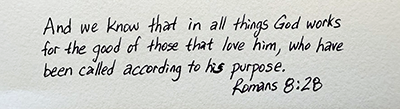
Yet…. Like the situation with Augustine, even these difficult events strengthen our faith. In the hours before our accident, as I zigzagged around pot holes and motos driving south from Nkwanta, Cyrus, Beth, and I were discussing Romans 8:28. It is one of those verses that cuts immediately to the deepest of theology.
We would like to take the opportunity to also thank everyone who was praying for our safety in Ghana. As we departed for this trip, we wondered how we would accomplish our work in a region under curfew because of recent, deadly tribal conflicts. Yet we were shown once again the peace and reassurance that we cannot strive to attain on our own.
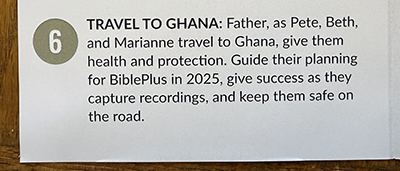
This morning, after we opened two weeks of held postal mail, Beth showed the February 2025 Prayer Guide from OneWay.
Yes. Prayer answered.
Postscript
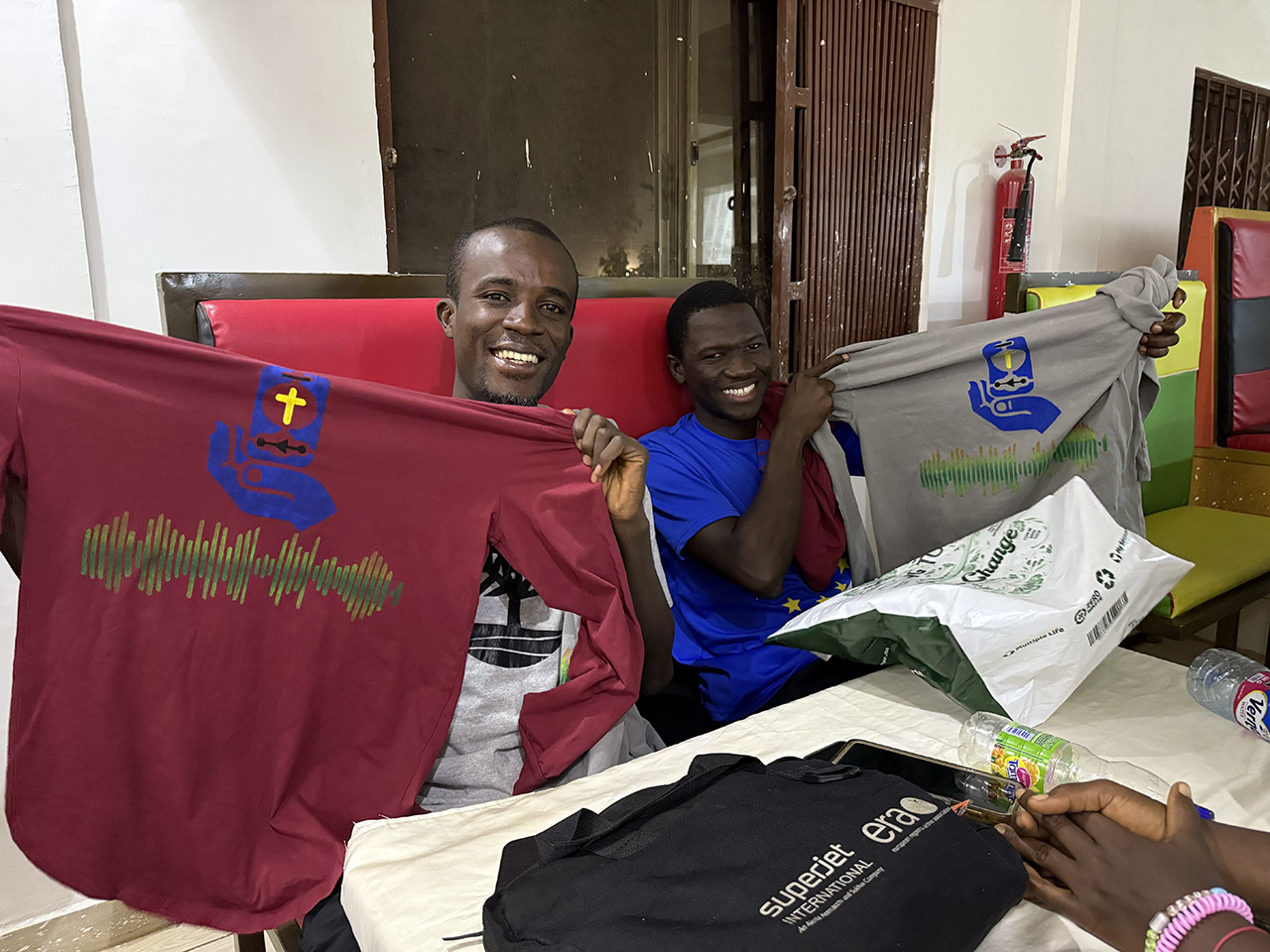
To close the loop on the art project started two weeks ago, enjoy these photos. Yes, I got help from generative AI to inspiration for part of the artwork.
Home. Safe. Blessed. Thankful.
This concludes the blog for this year. Thank you for following along.