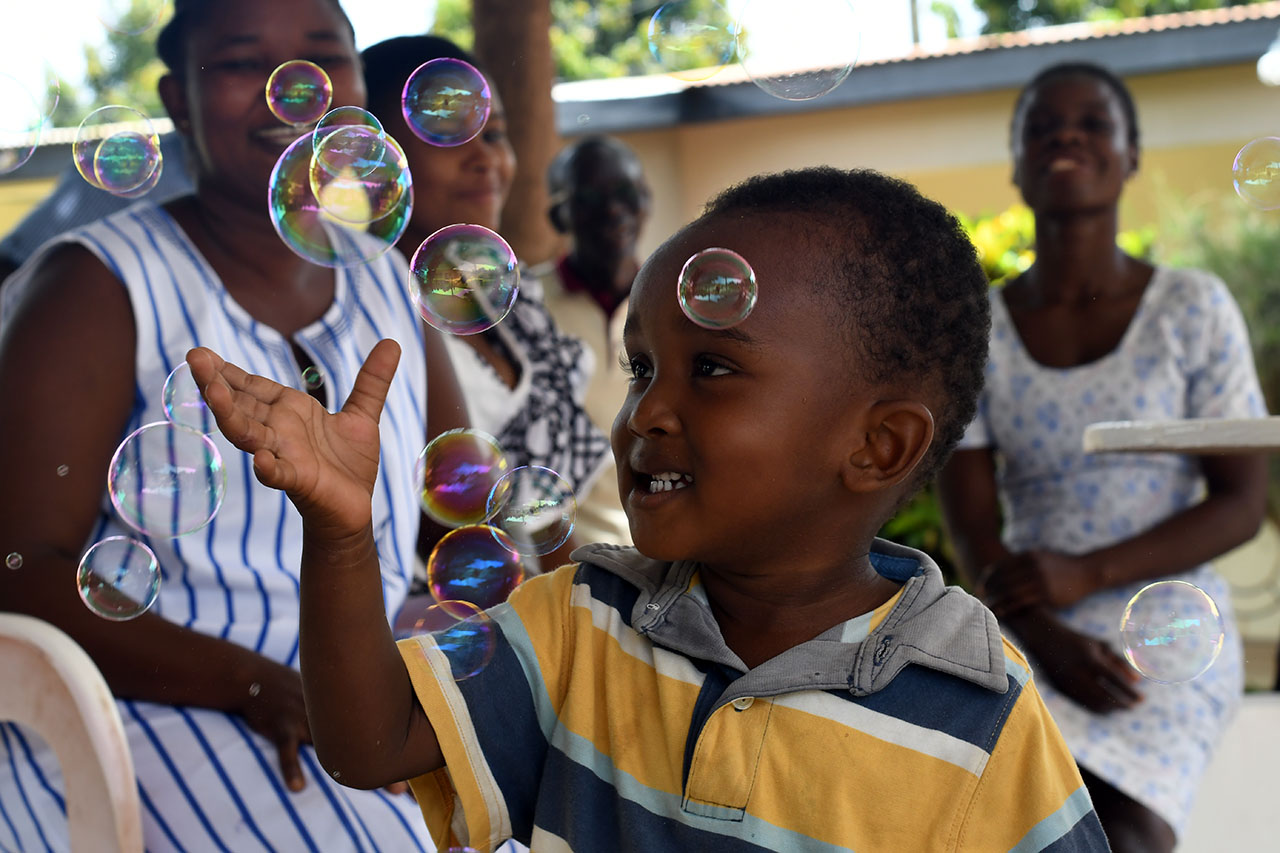
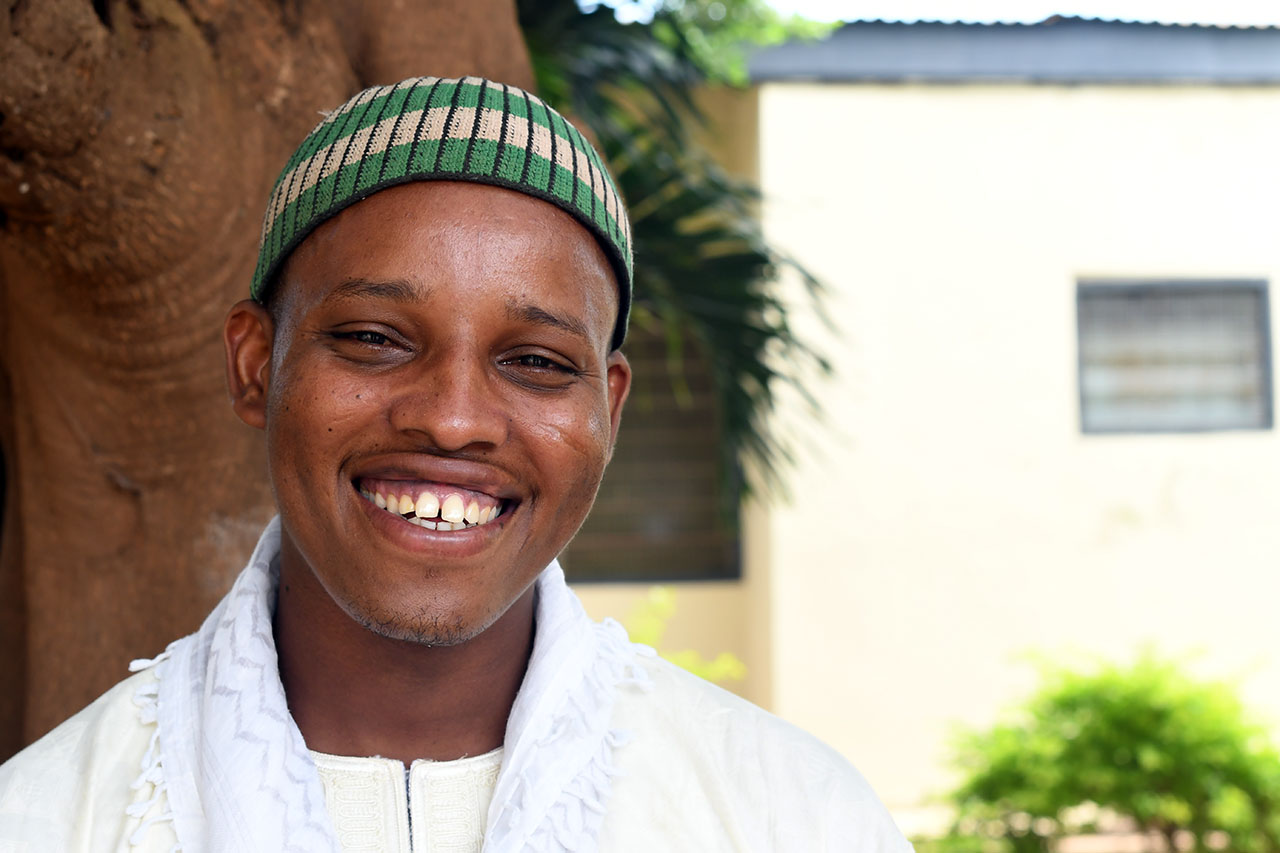
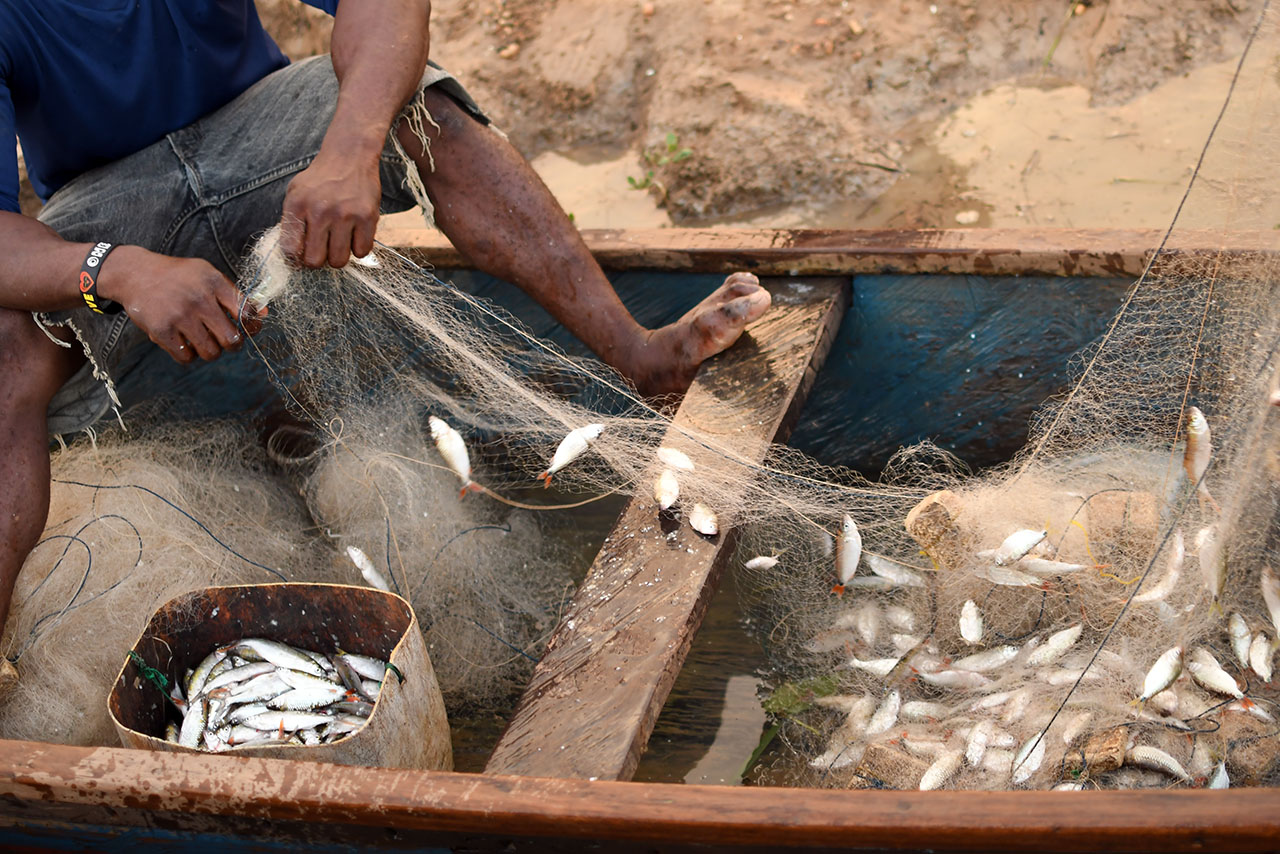
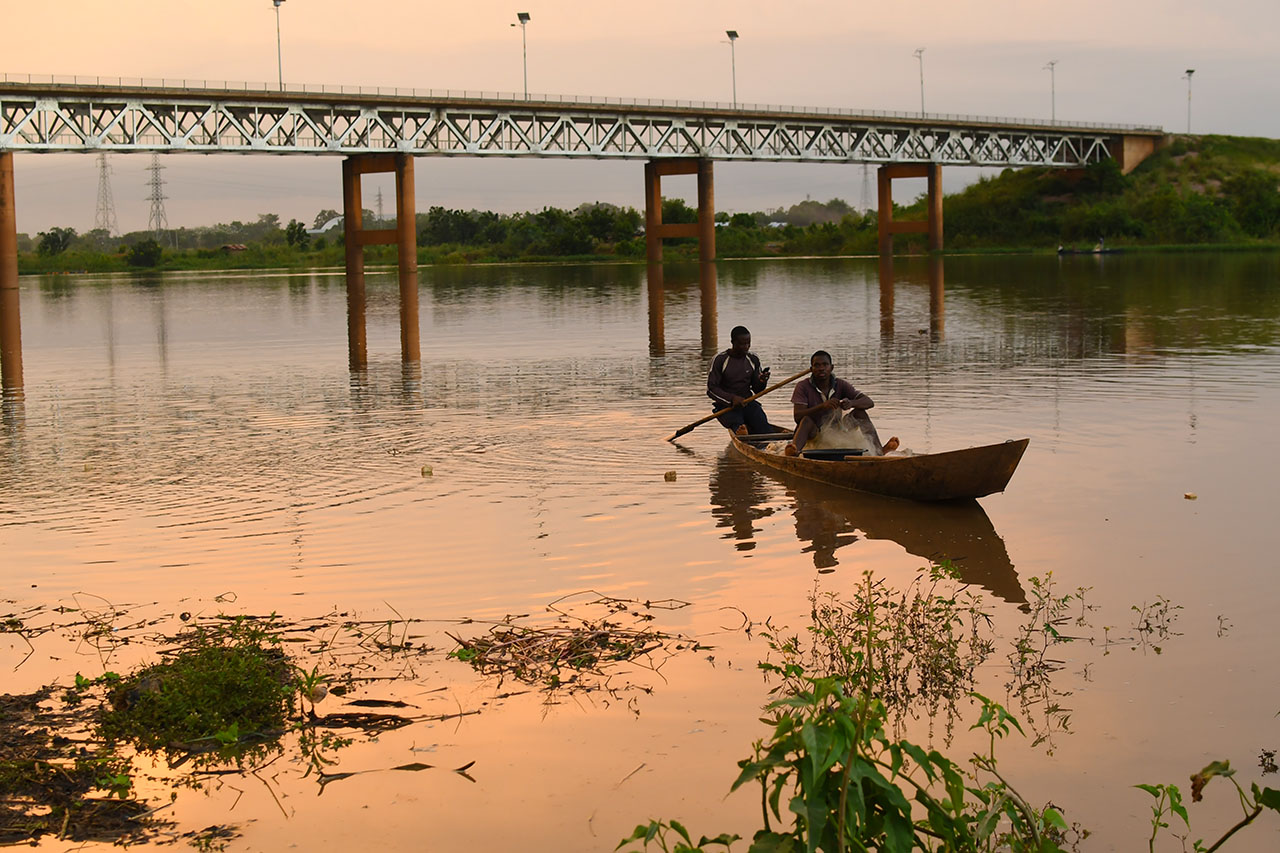
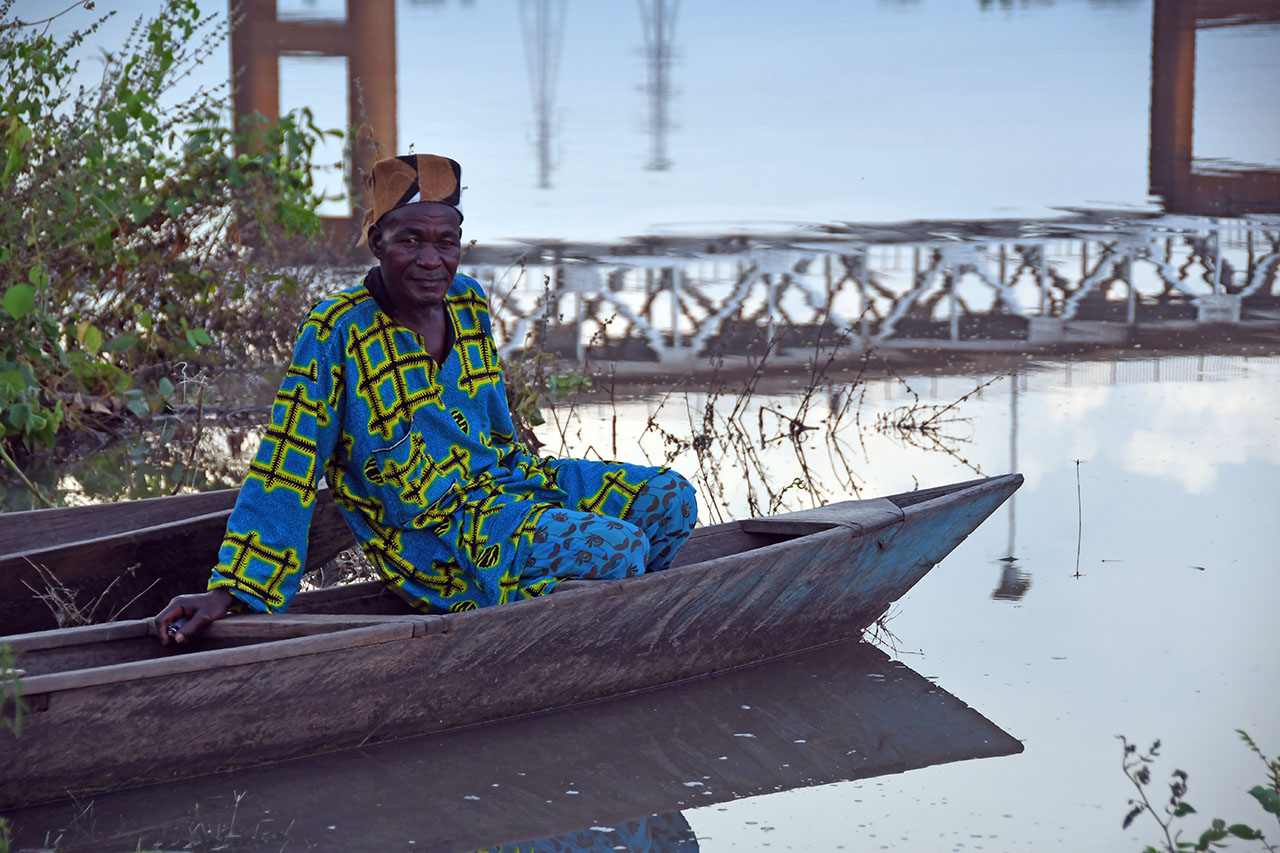
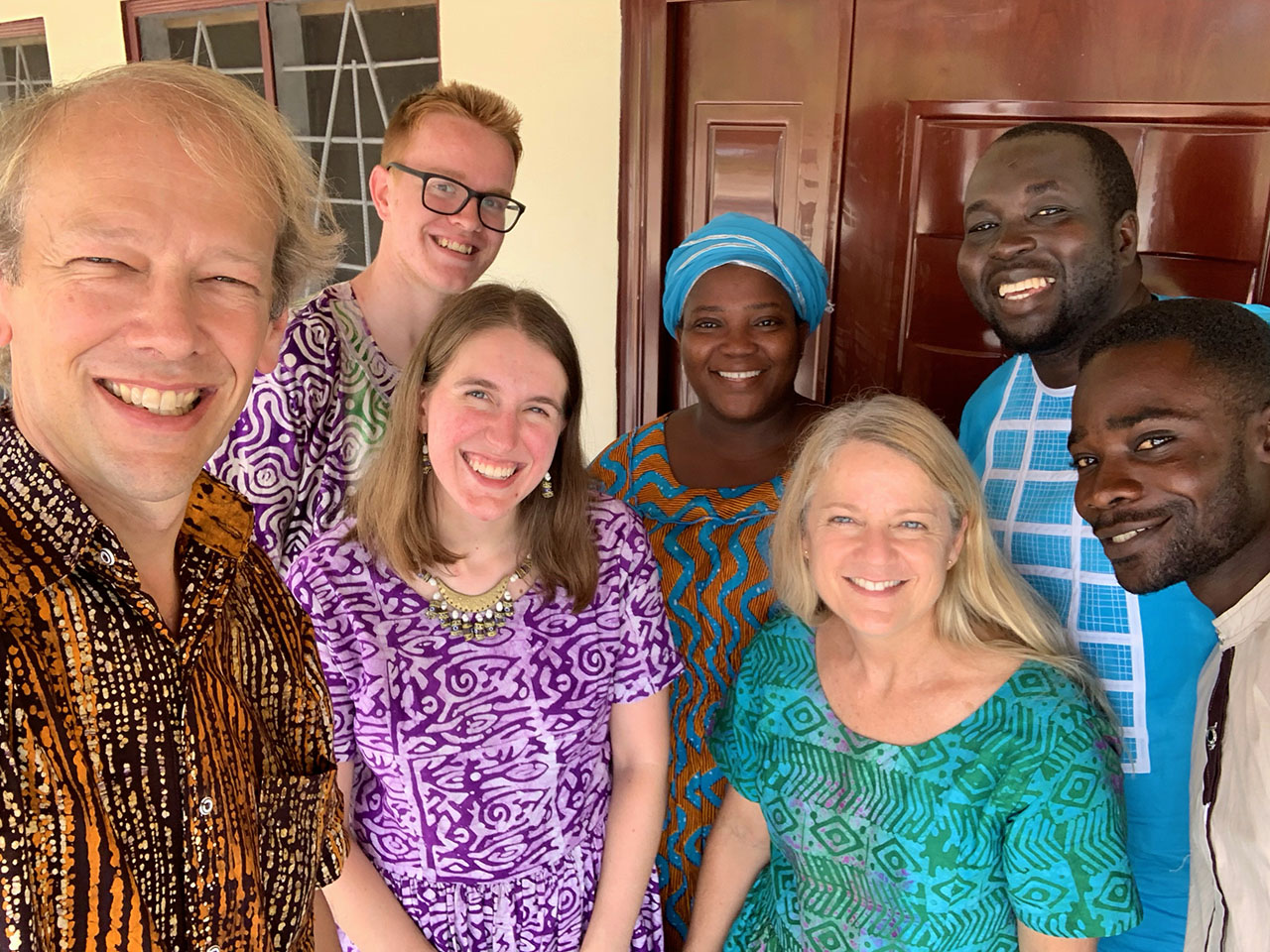
(We drove into town to get some bandwidth… of course by “town”, we mean the small settlement along the river)
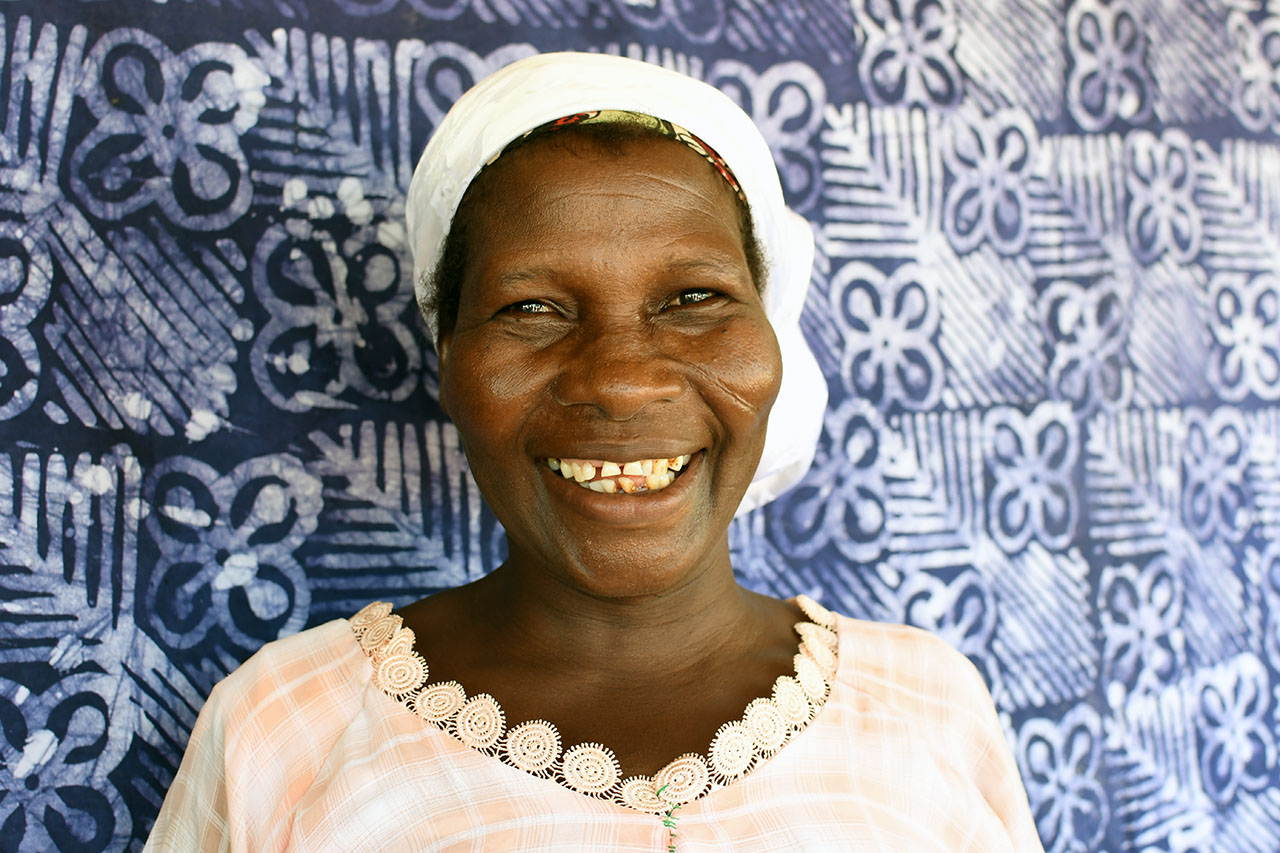
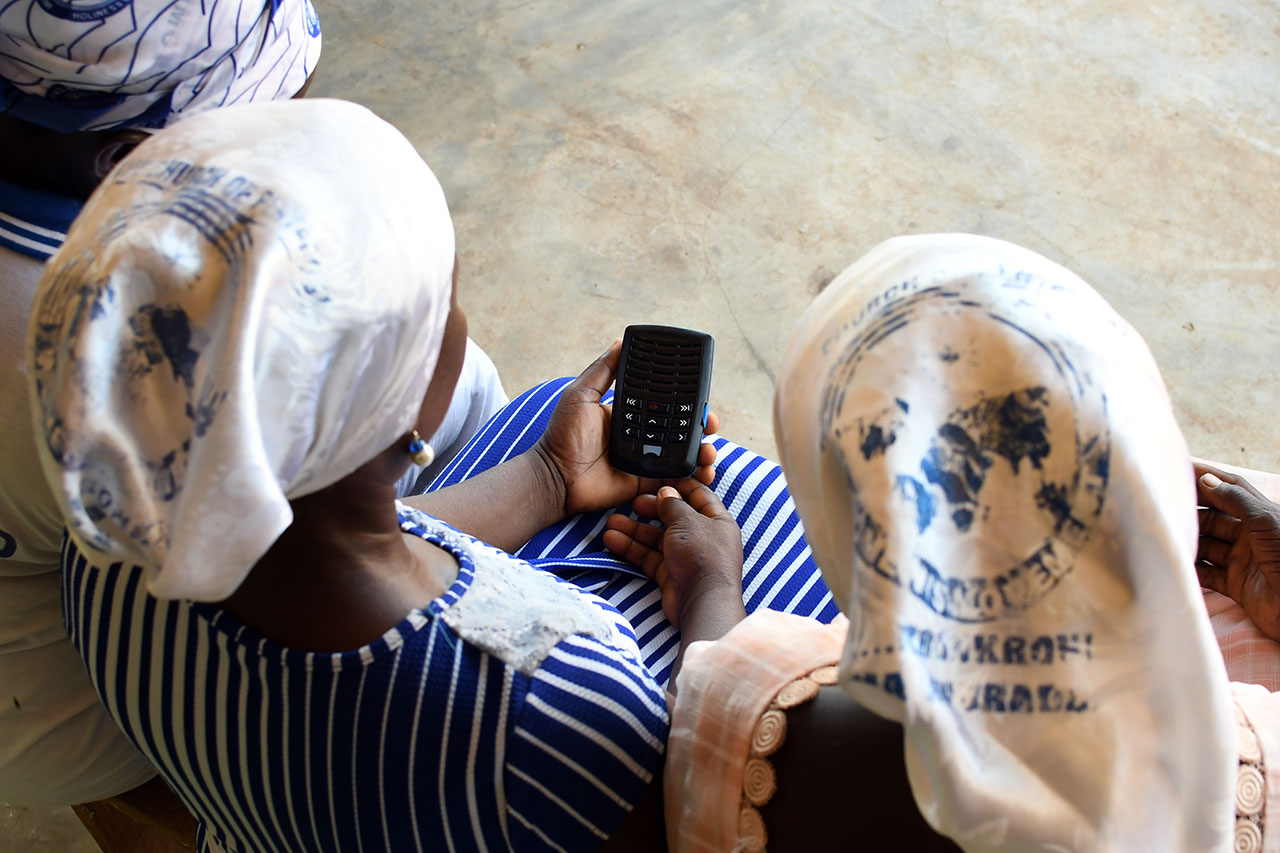
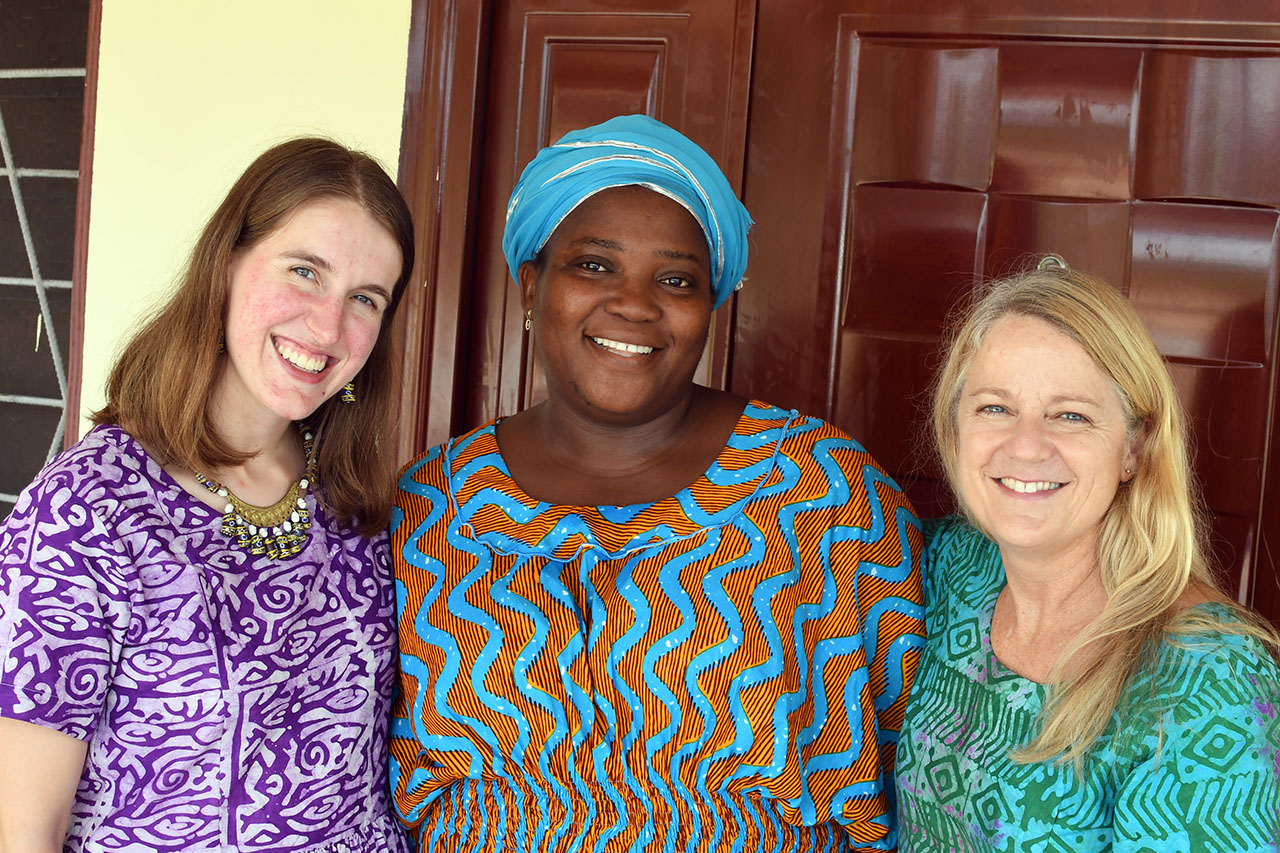
One of the ladies giving her story of faithThree ladies listening to BiblePlus+
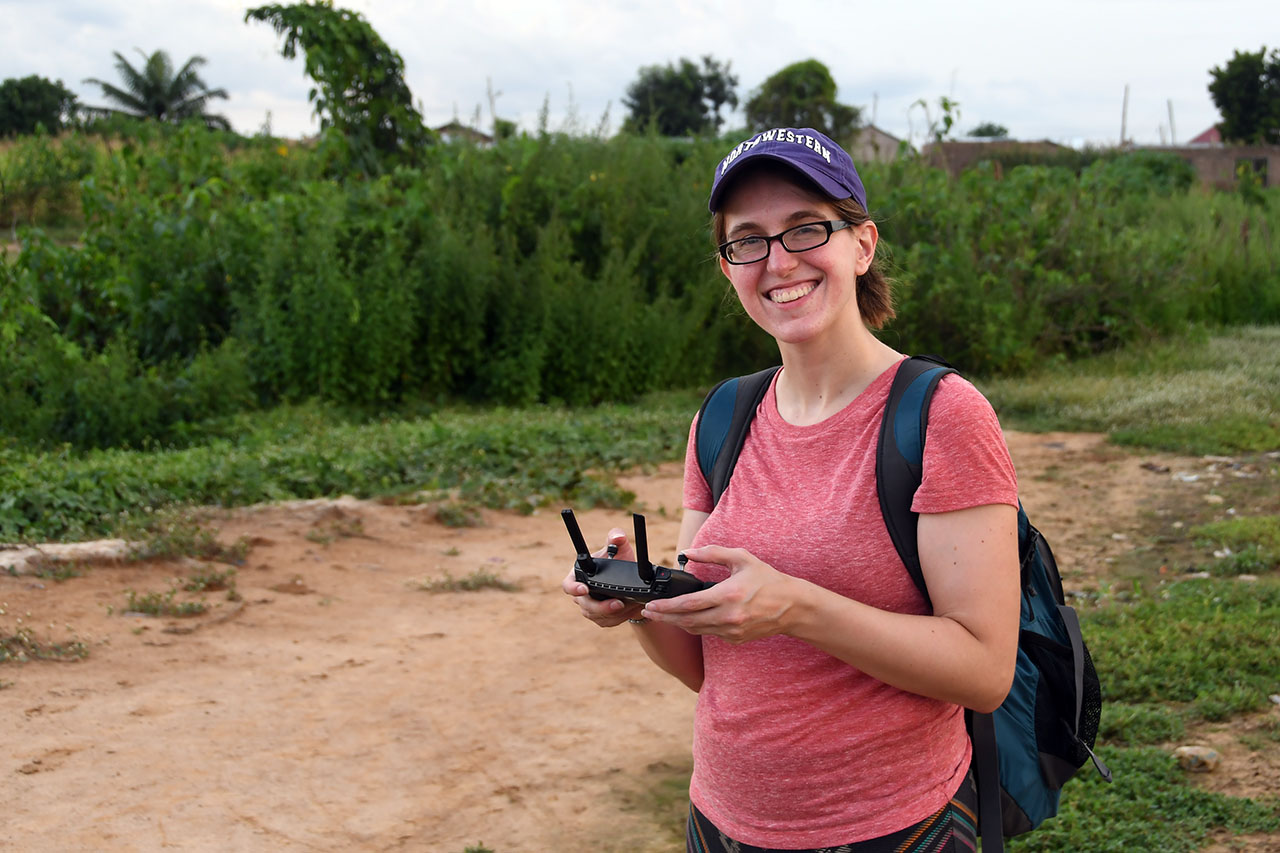
Drone video below… click the play button.
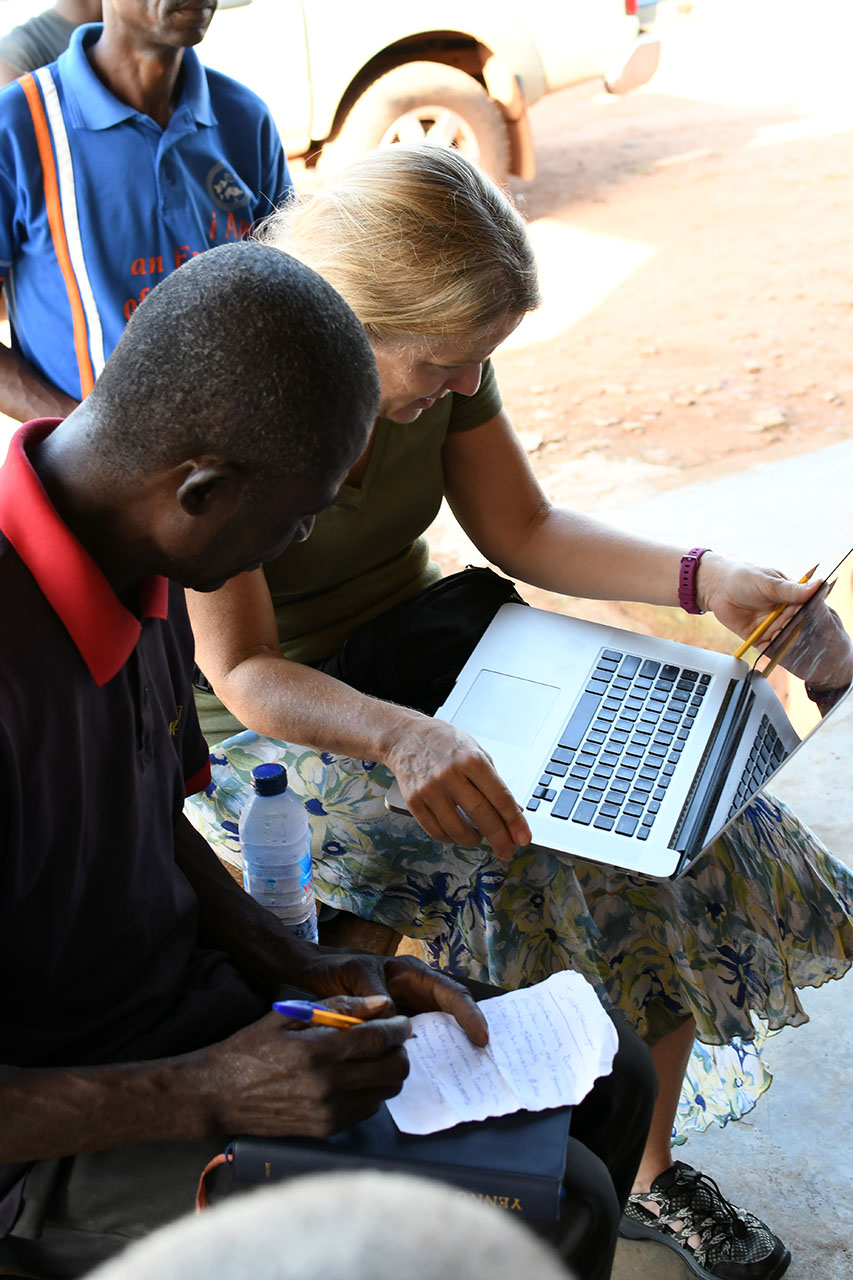
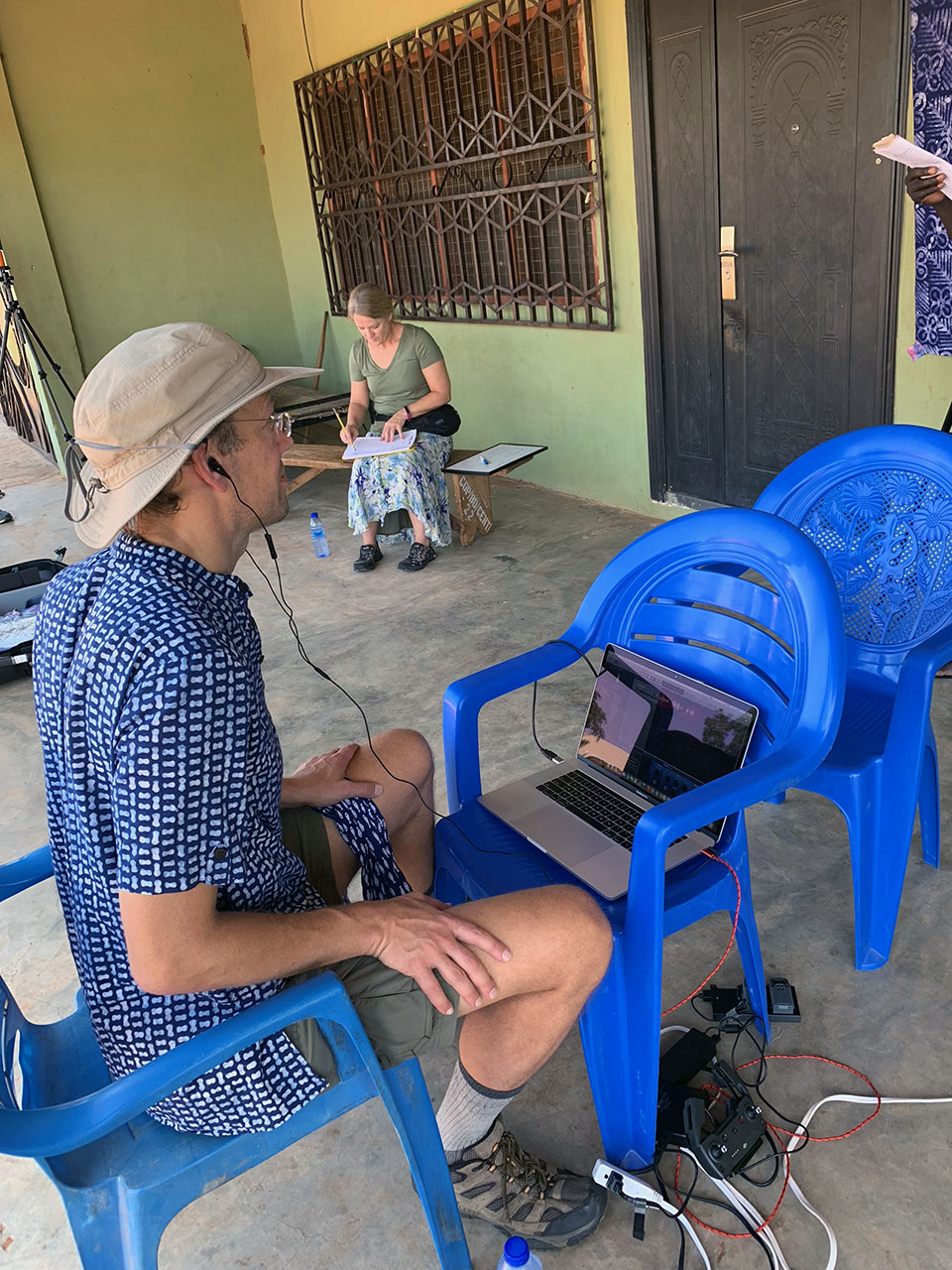
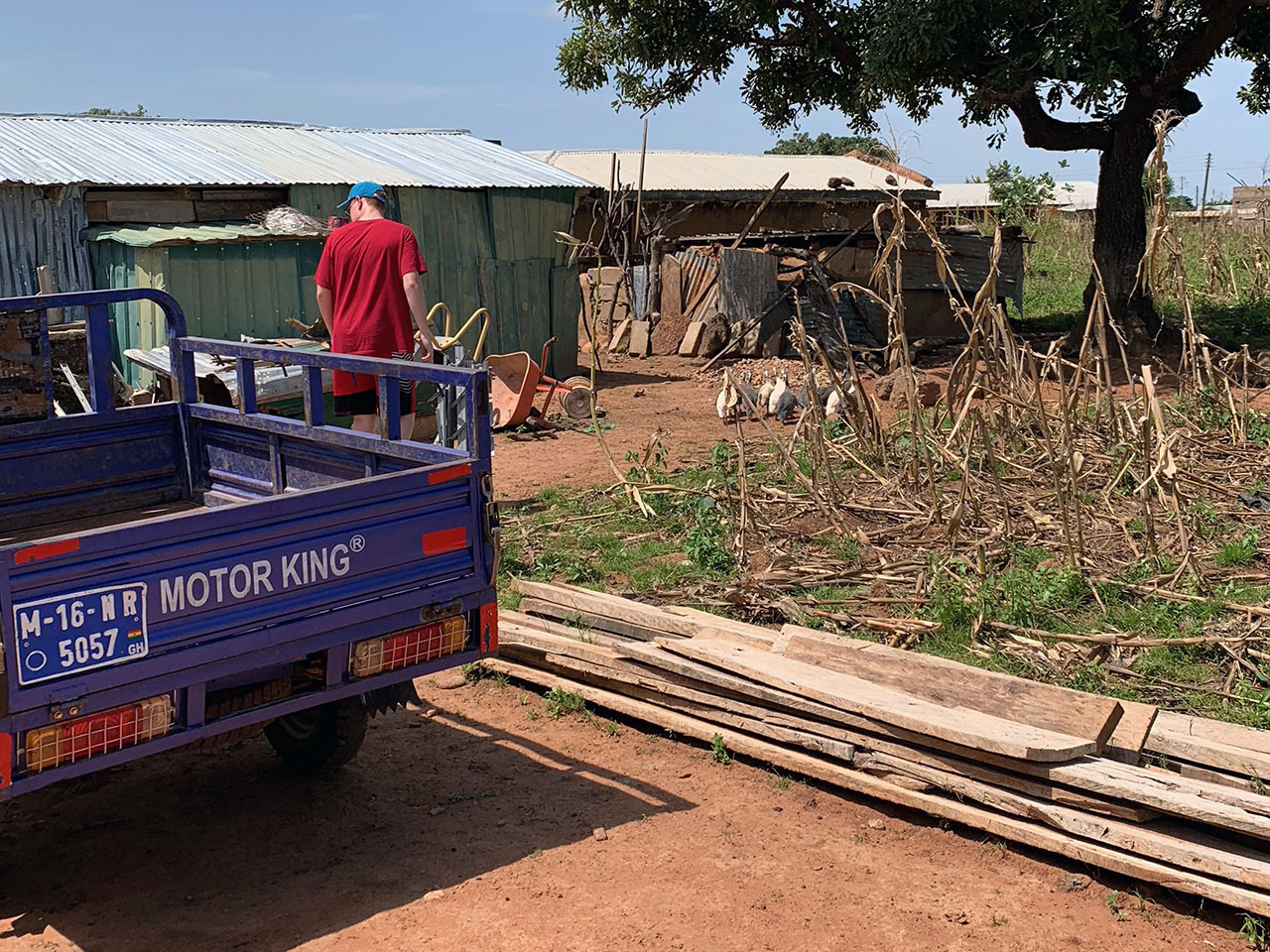
Portable recording studio…Daniel on Chicken Patrol
A short clip of one of the ladies giving her story. Click the start button
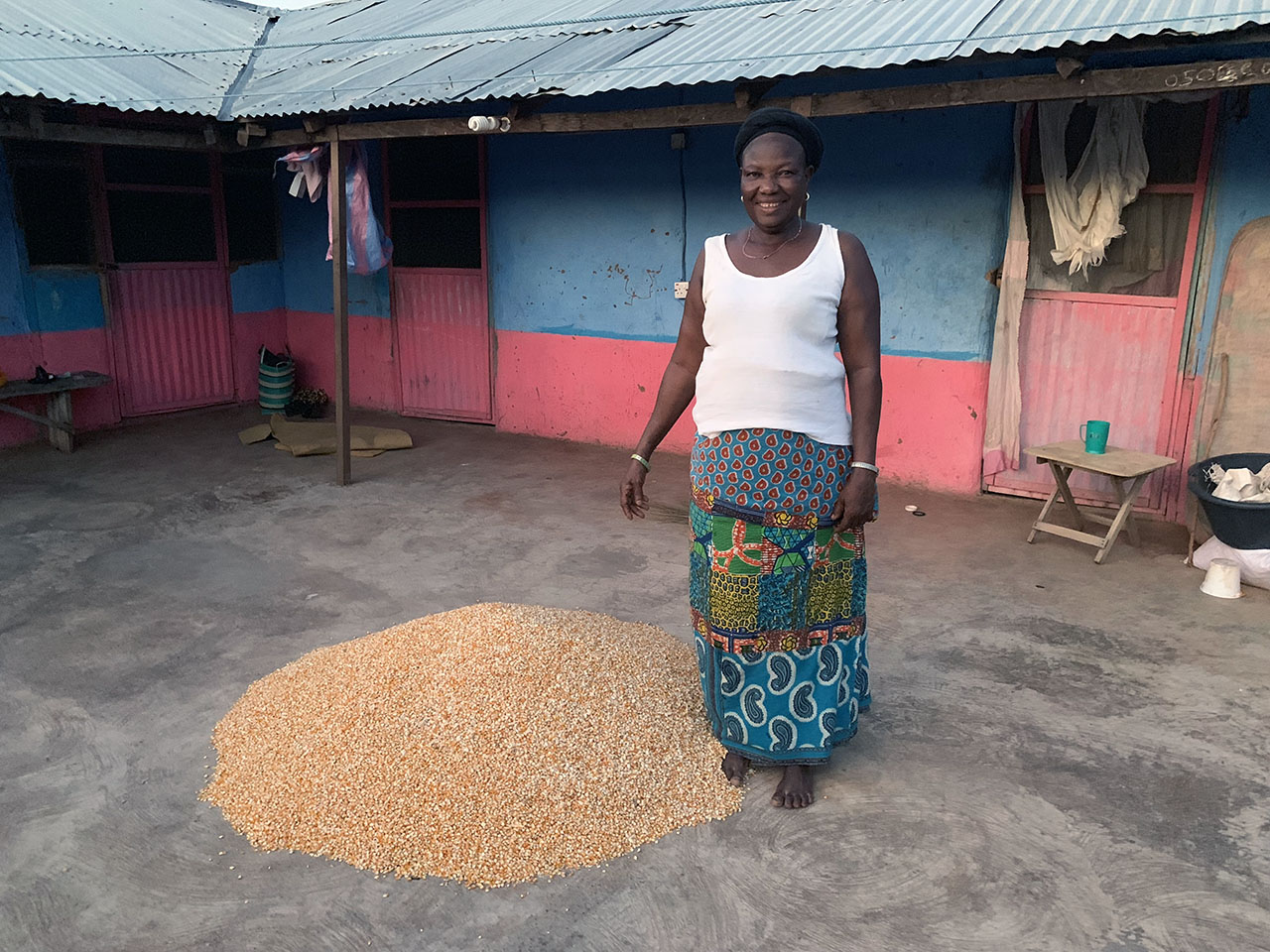
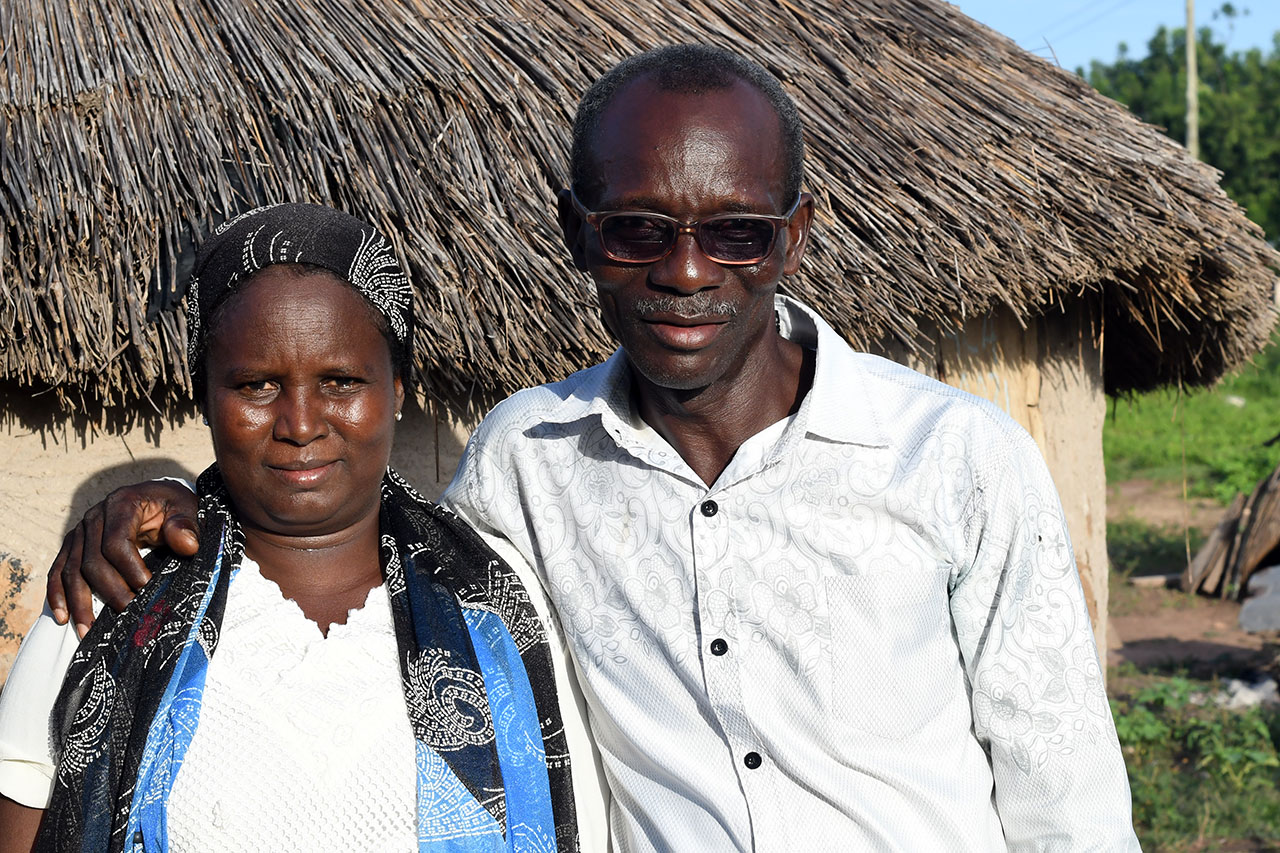
Pastor Jinjong asked “Would you like to meet my honey? We have been married 30 years”. He smiled as we went into their house to meet her.
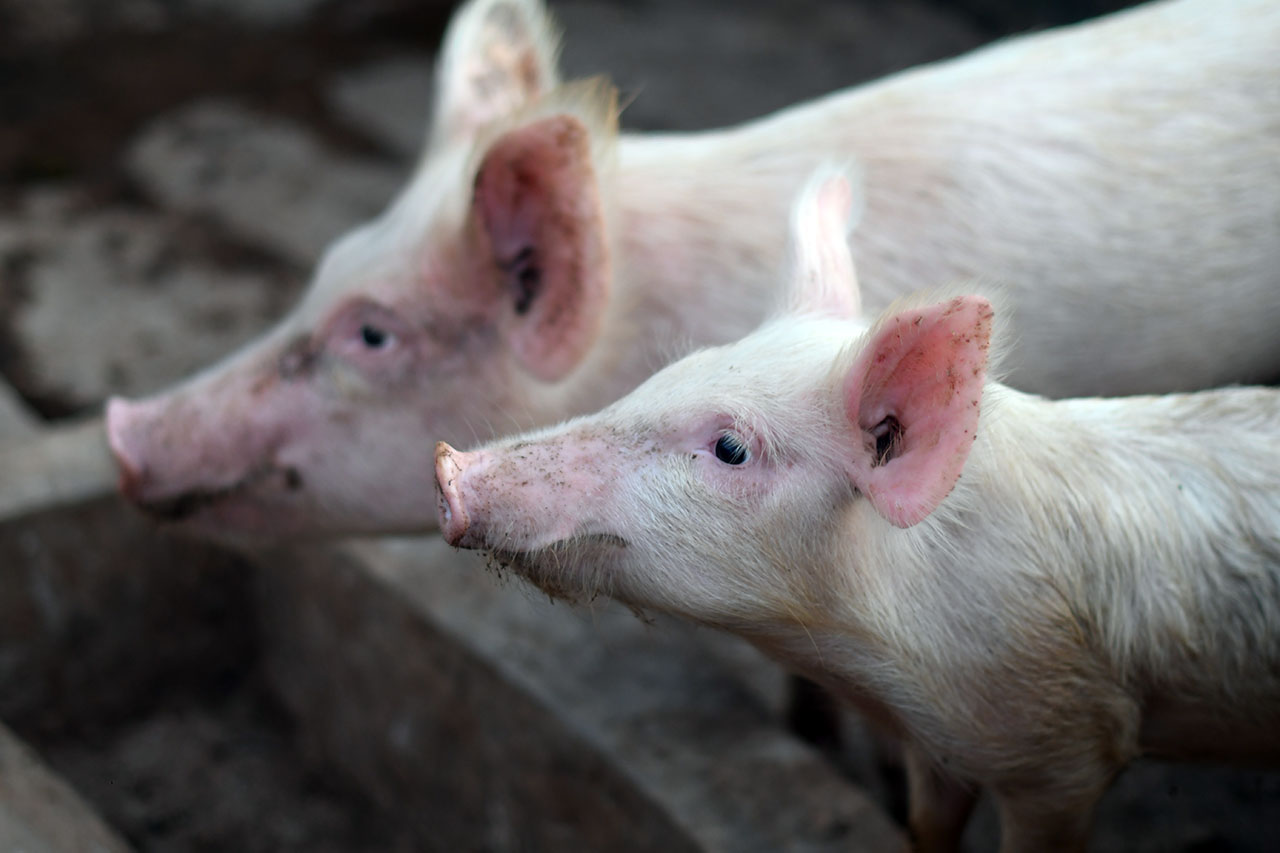
Pastor Jinjong’s retirement activity… raising pigs. I asked “do they taste good?” He smiled quickly, “Oh yes! Especially if they are smoked a little”.
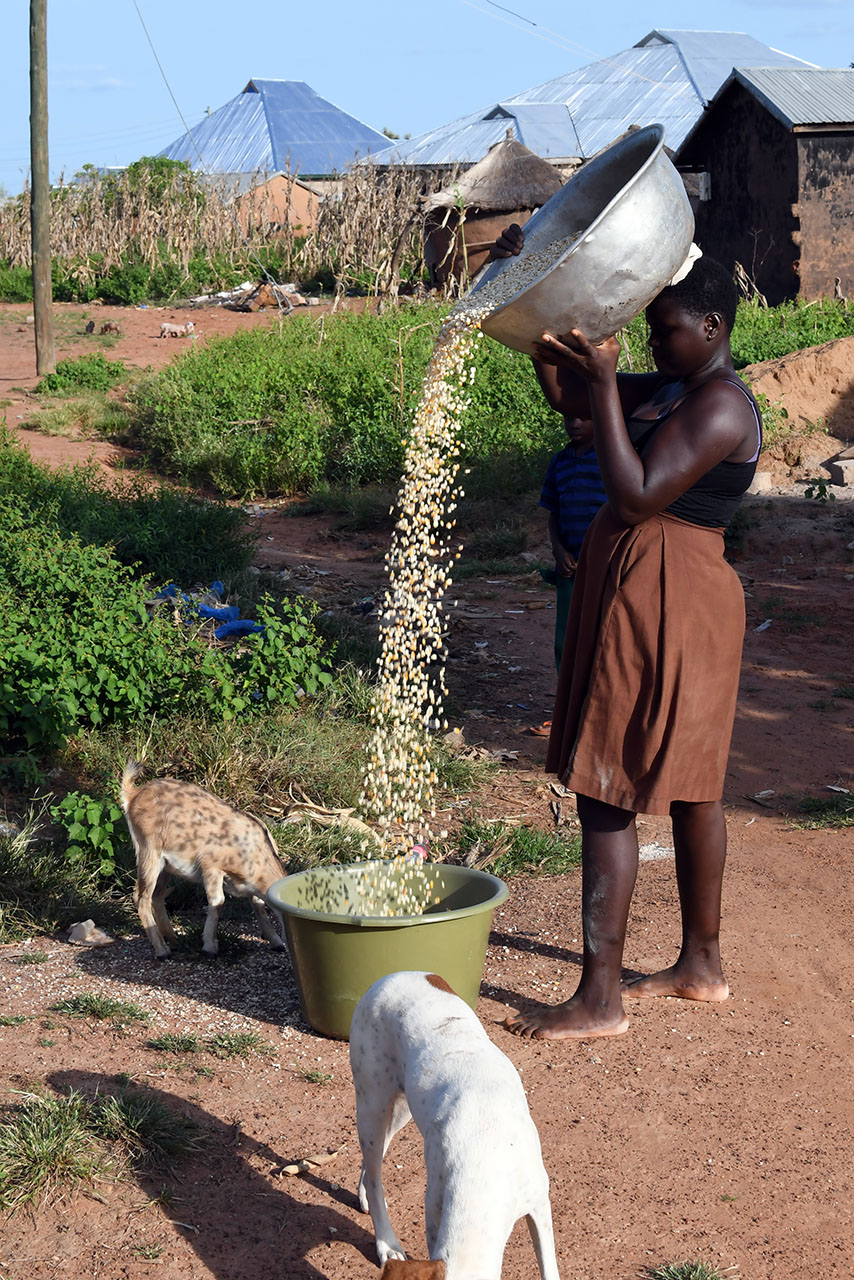
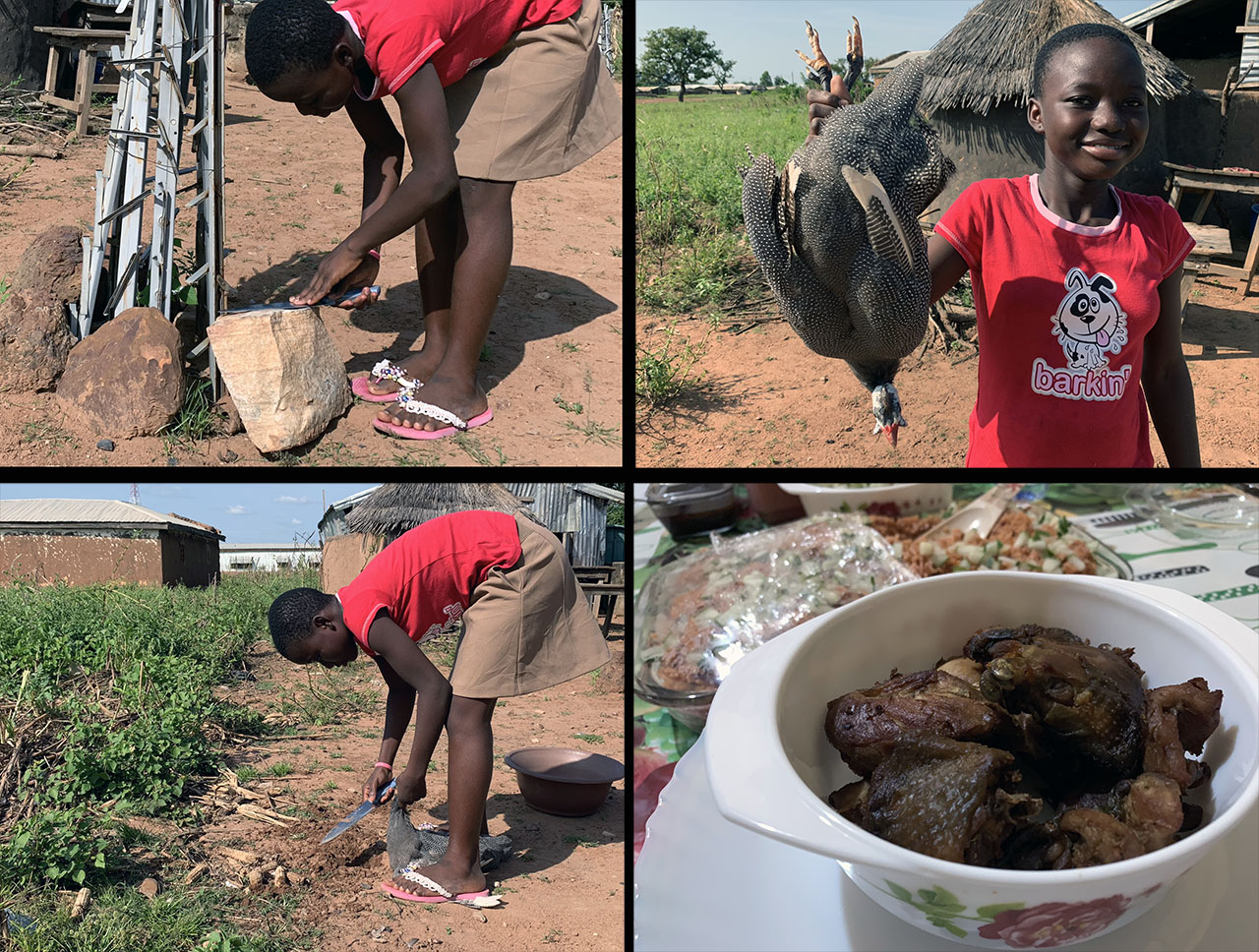
Real farm to table…. 1) Sharpen the knife on a rock, 2) catch the Guinea Fowl, 3) Dig a hole with the knife to catch the blood and then hold down the wings and feet and do what is needed, 4) Serve it for dinner.
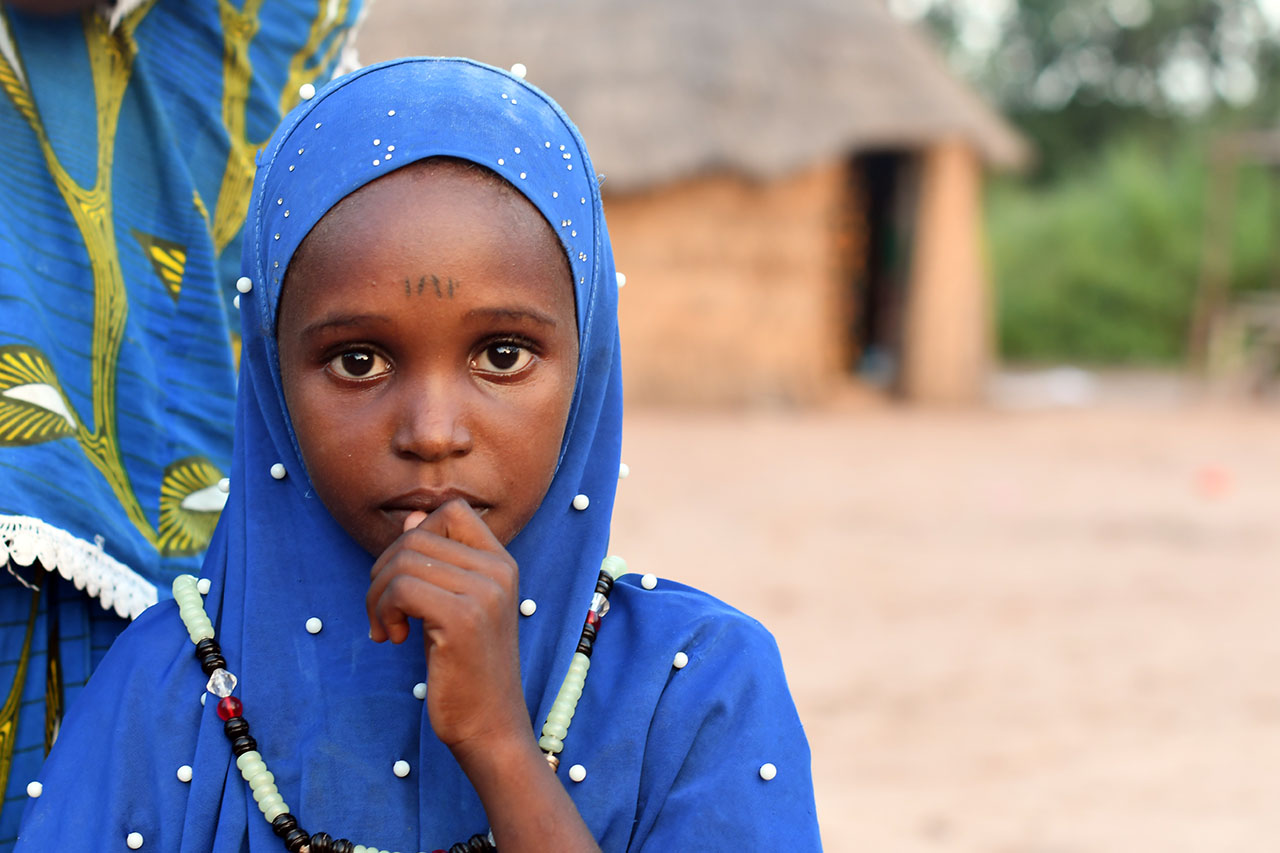
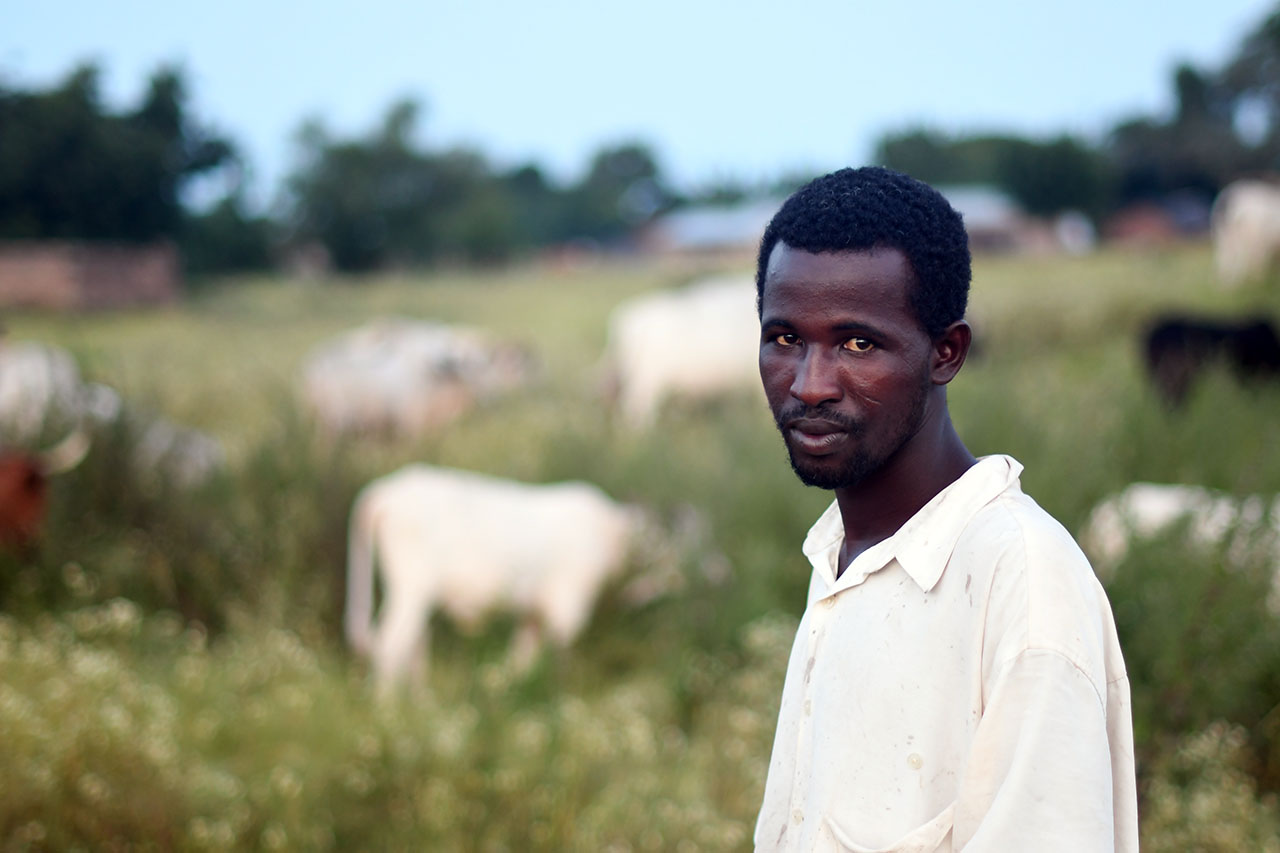
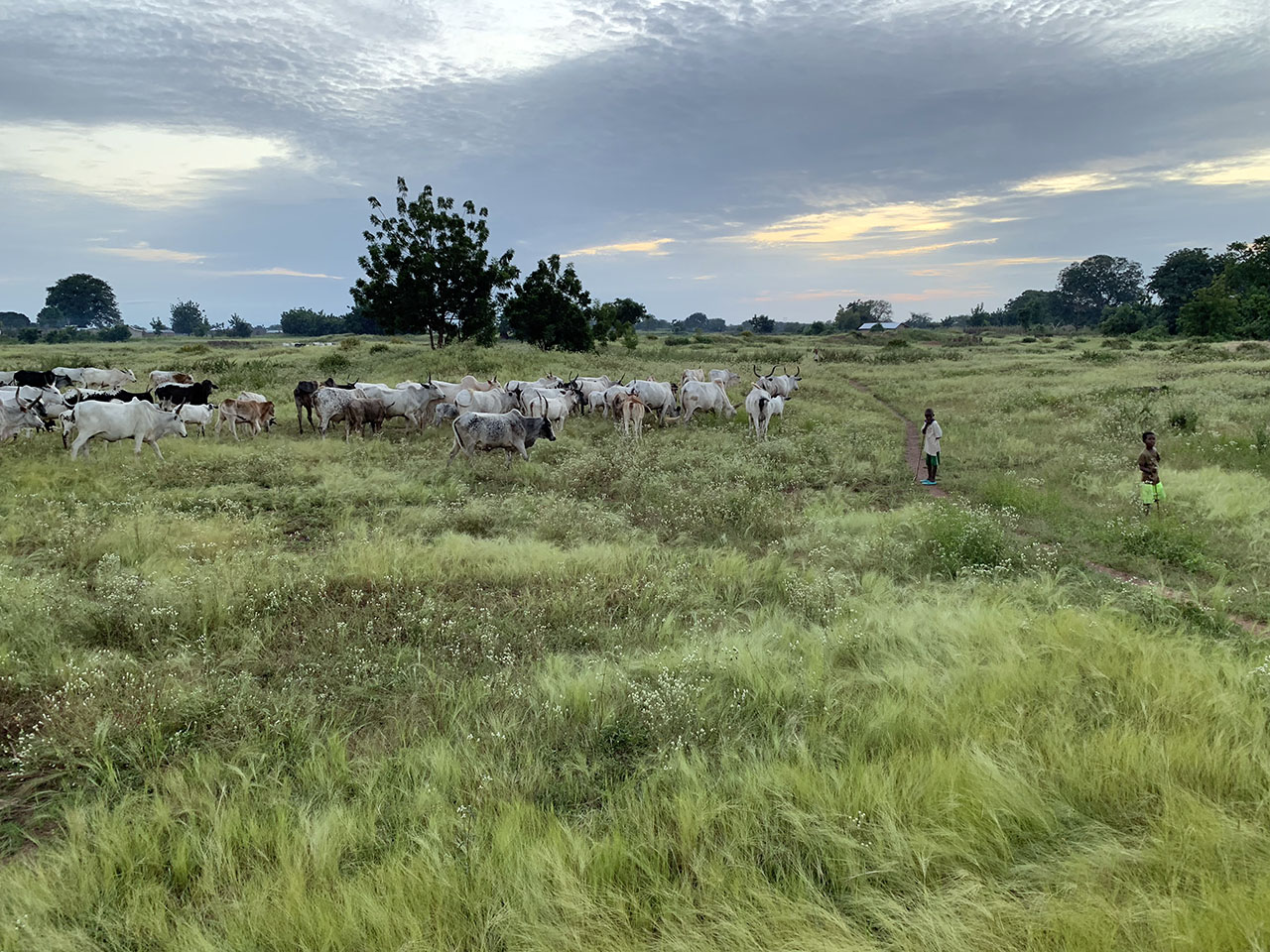
From the first time Beth and I ventured to Ghana with Emily and Paul in 2011 we have heard stories of the Fulani. Ray explained that Ghanaians might say “If something is stolen, it is probably a Fulani”. They are nomads. Over the years they have wandered with their longhorn cattle herds across 17 countries. They are the caretakers of cattle in many regions, and a Dagomba or Gonja man with a cow might pay a Fulani to care for it. The cow would be added to the Fulani’s herd until it came time to sell it. The Fulani speak Fulfulde, which, as the herdsman wandered Africa has shifted and spread into many dialects. Over hundreds of years, their migrations have also spread their religion, Islam. The nomads are tolerated, and at times persecuted. While there is compulsory grade school for everyone in Ghana – the Fulani are exempted. Their children do not need to attend school.
As a Westerner, it was hard to imagine how the Fulani could be so different from the others here in Ghana. Beth and I have met people from a wide range of tribes: Komba, Akan, Mamprusi, Dagomba, Bimoba, and Gonja to name just a few of the roughly 50 people groups here in Ghana. To me, they all seemed quite similar—like trying to distinguish the Germans, Dutch, and Swiss without their automobiles, cheese, or chocolate as hints. But as Fati, pastor Joseph’s Fulani wife of 30 years, led us into a Fulani village just a few miles from Joseph’s Gonja village, the uniqueness of the Fulani quickly become apparent.
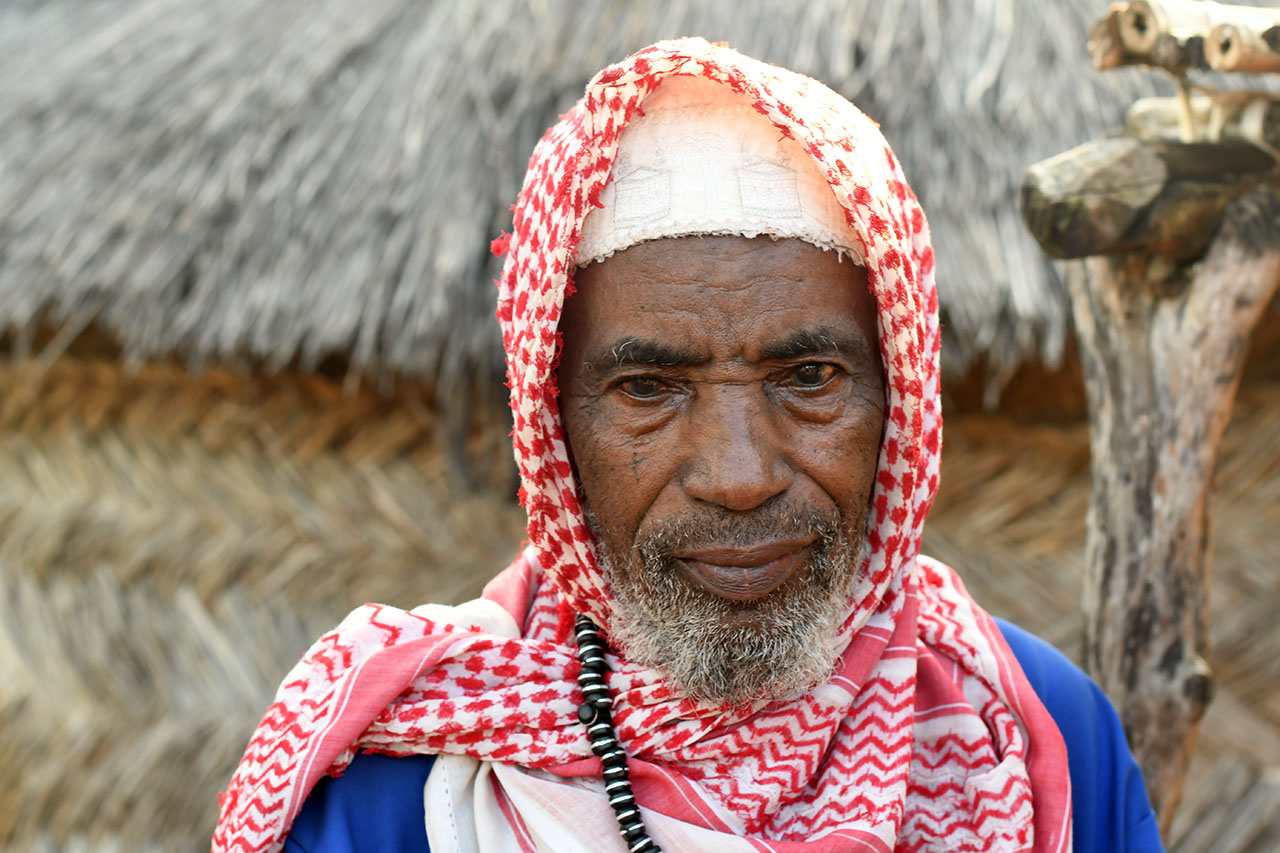
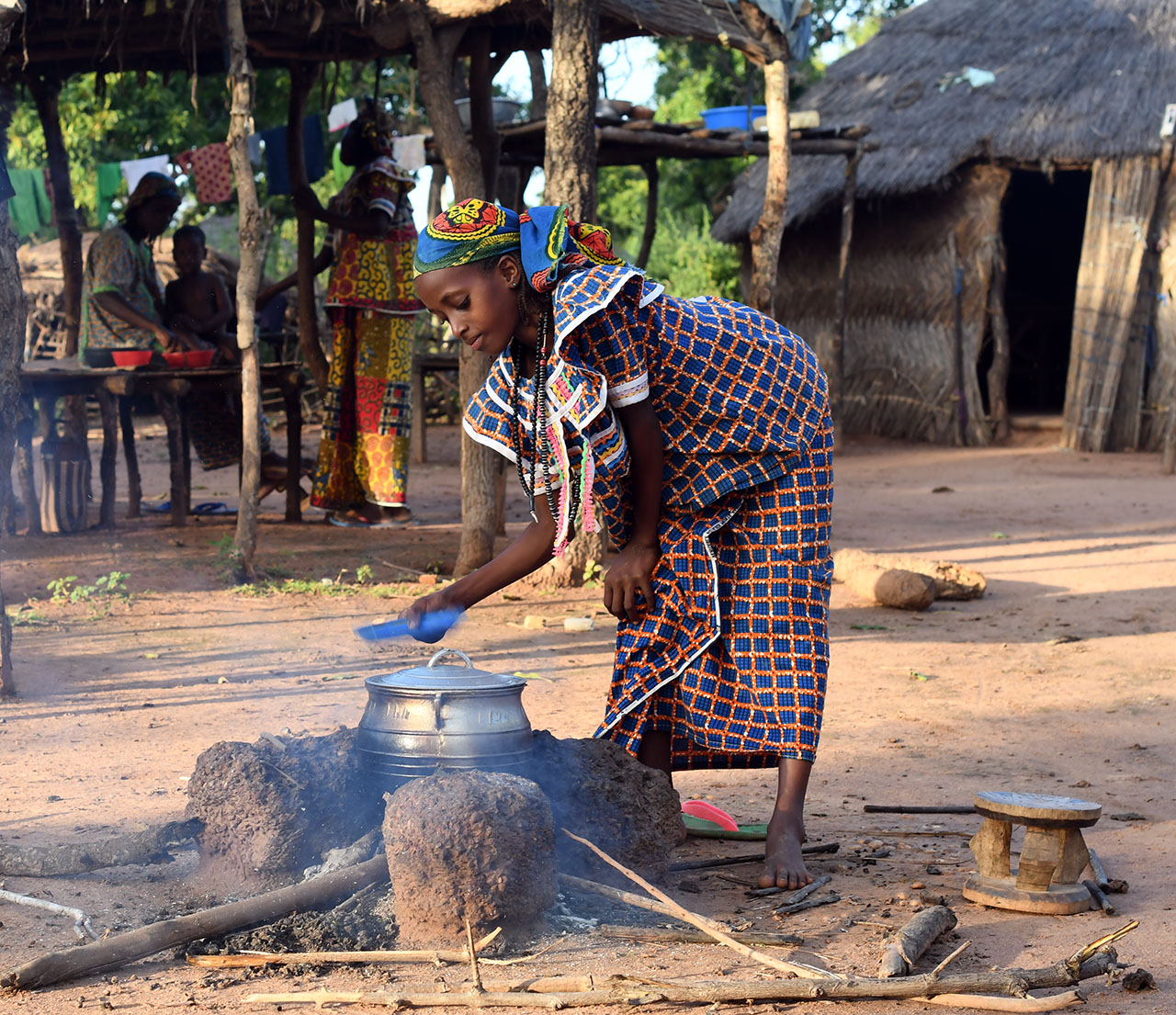
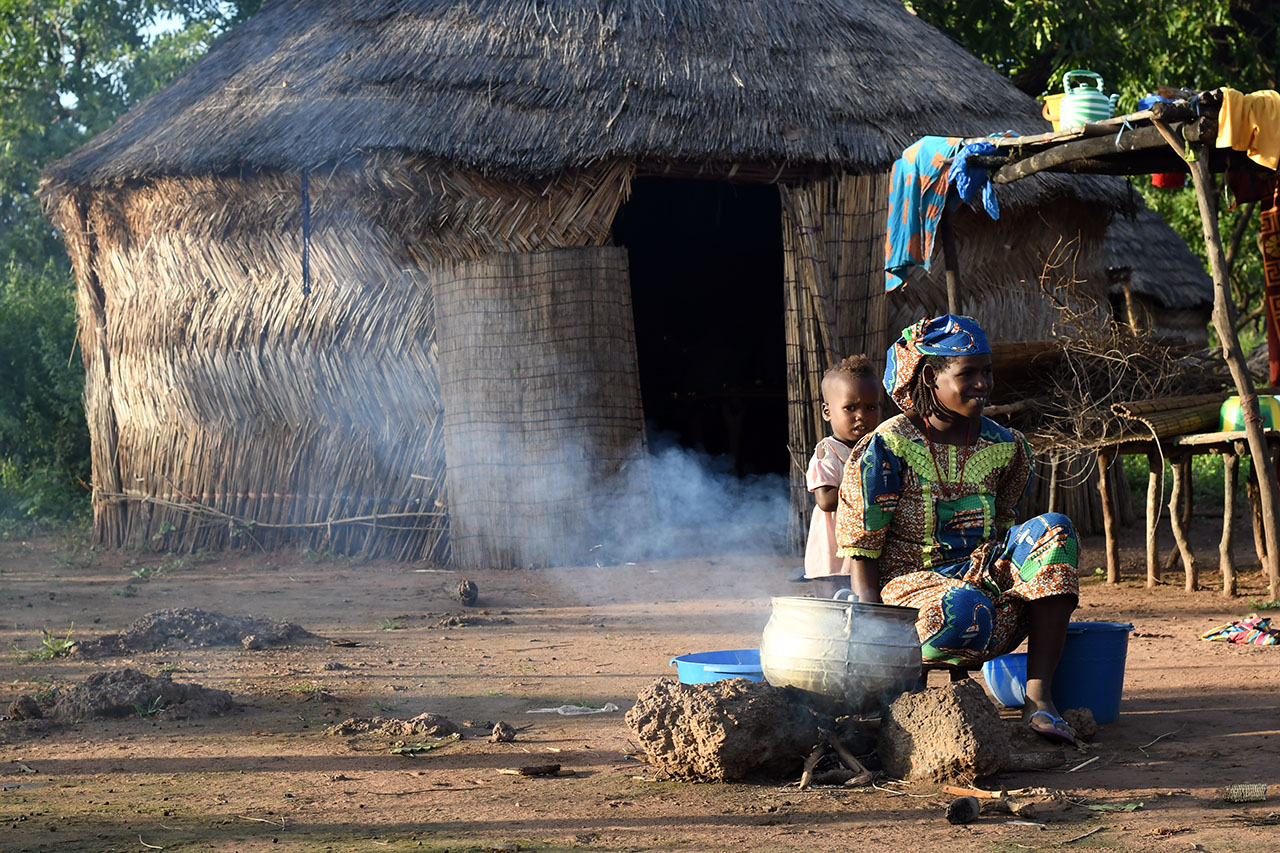
From the longer, more slender shape of their faces and often fairer skin to the construction of their huts, which were of woven grasses instead of mud, the Fulani stand apart. As Fati led us into the village I sensed a slight air of tension. At first, we could see only a few men. An elderly man with poor eyesight and a father with a leg injury sat in the shade. Many of the men were still out tending their flocks and would slowly march them back to the village before sunset. We stood smiling, making eye contact and waiting for the subtle body language to let us know they were happy to meet us. Like other villages, the women were initially quite shy, but very curious. We continued, with large toothy grins, to say hello, and wave at the children. Of course “Obroni”, white people, are uncommon here in Ghana, but Obroni walking among the Fulani is rare indeed.
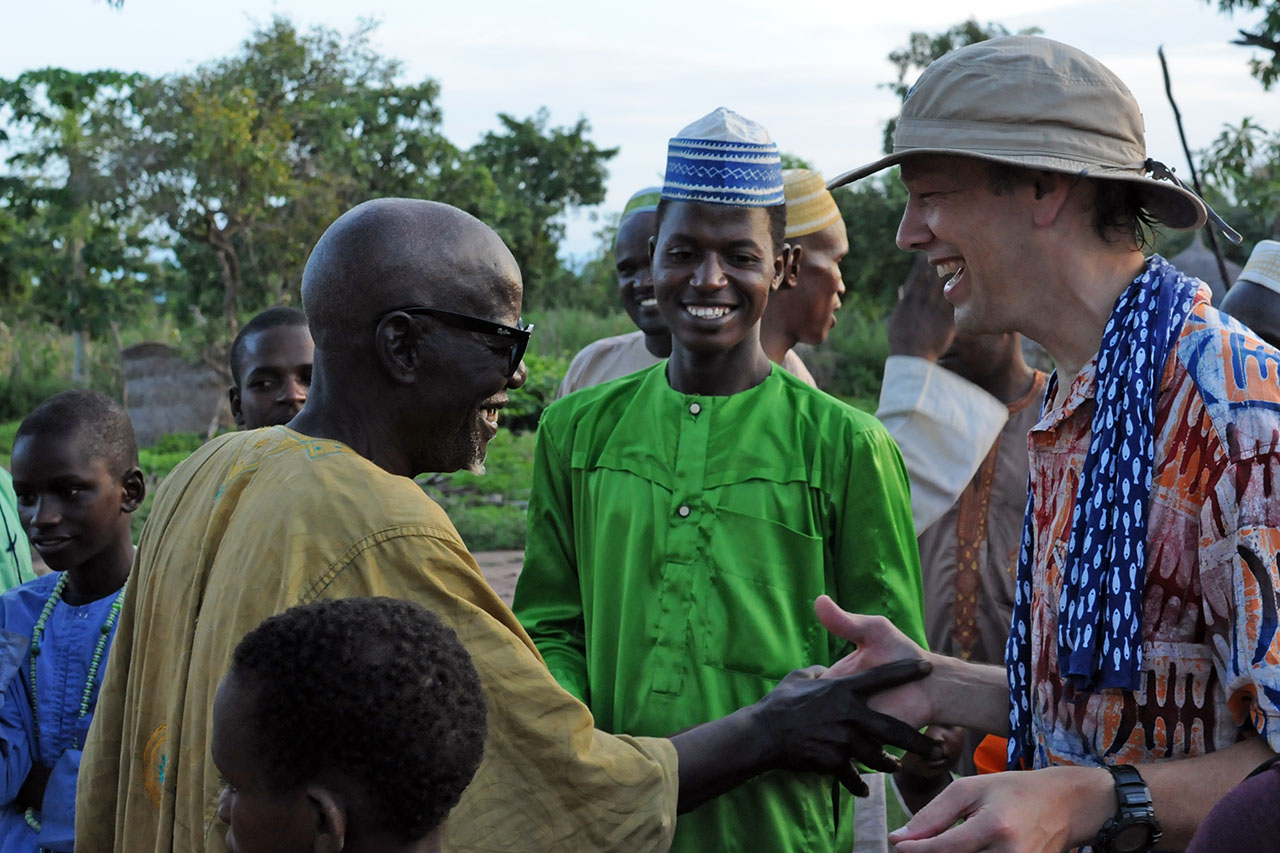
A rare photo of me, taken by Enoch. In green is the Sheik’s son, Sayed.
I’m working hard to make them laugh, in the next photo (not included) they break out in smiles. But they prefer these dignified poses.
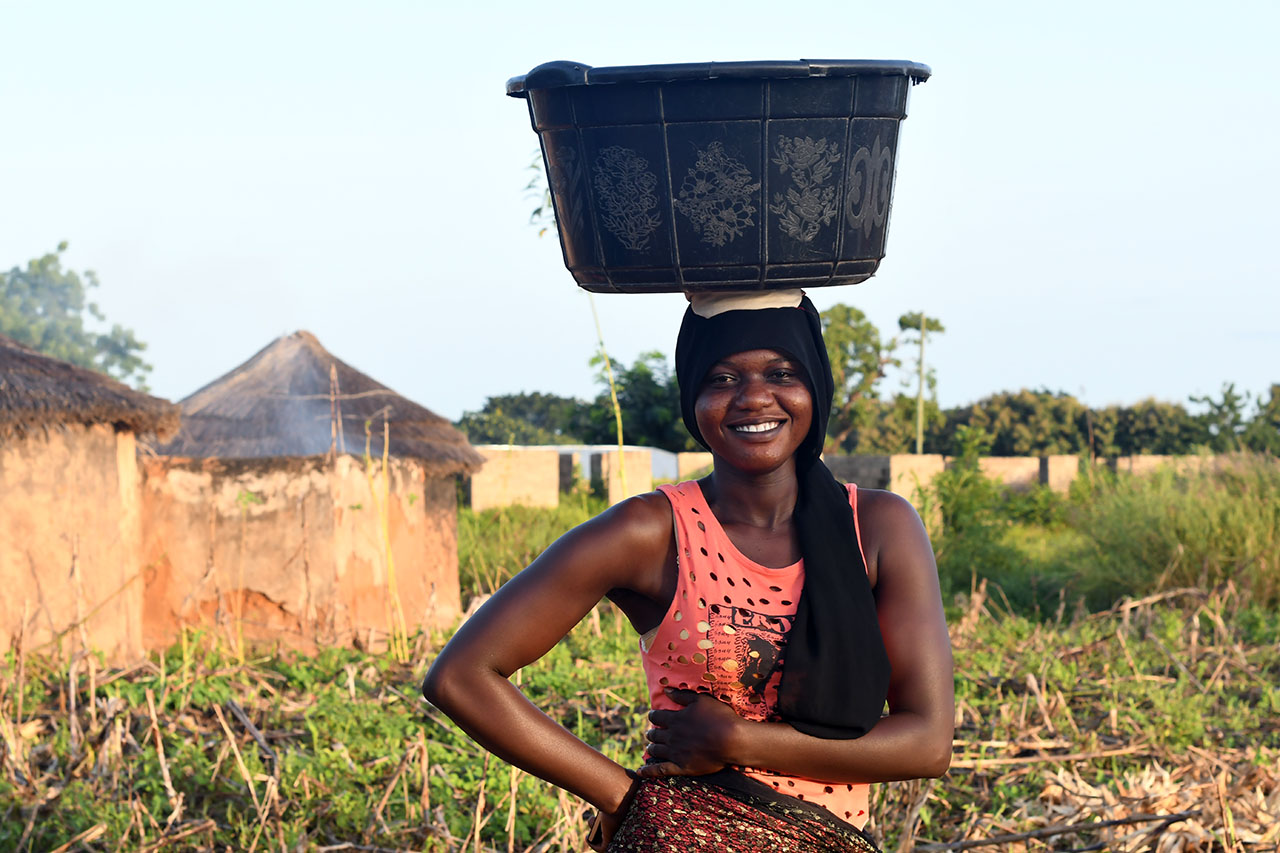
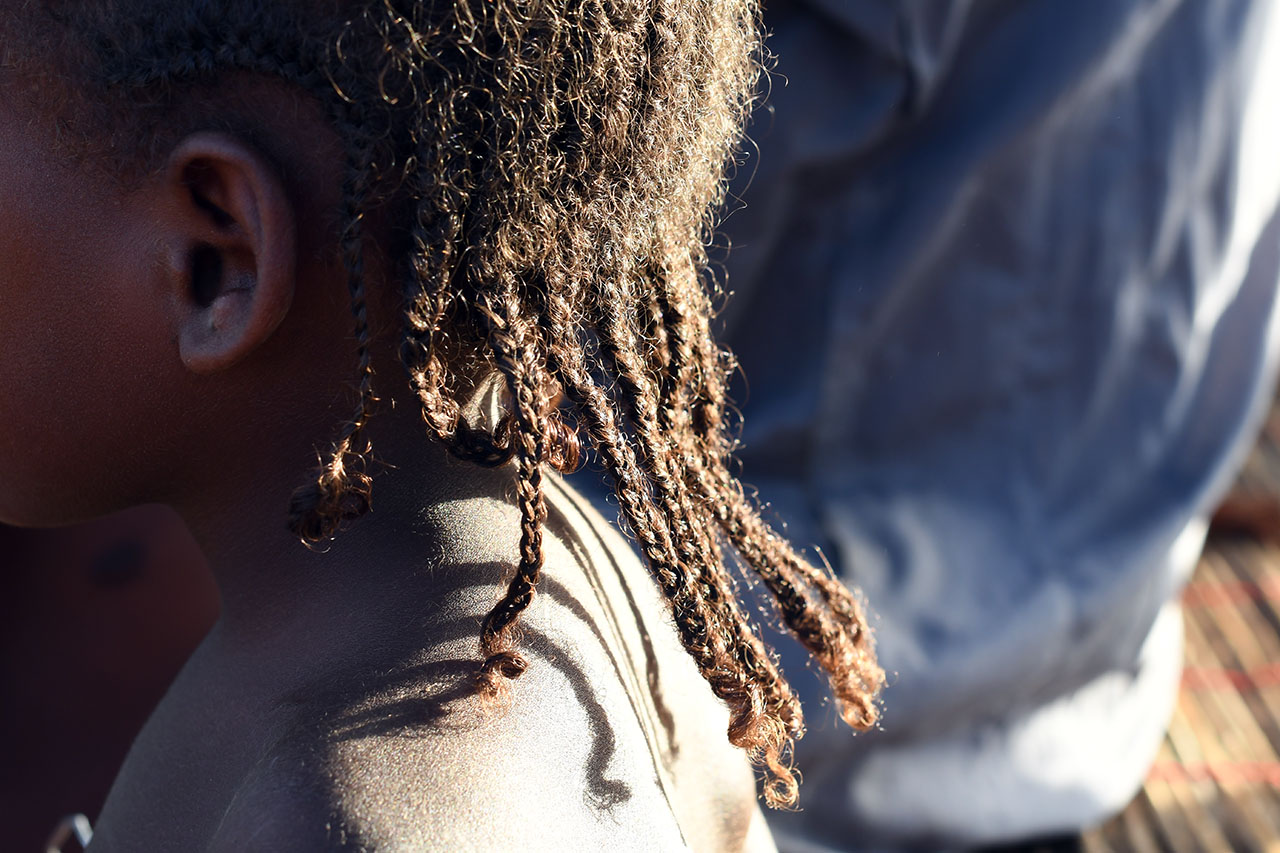
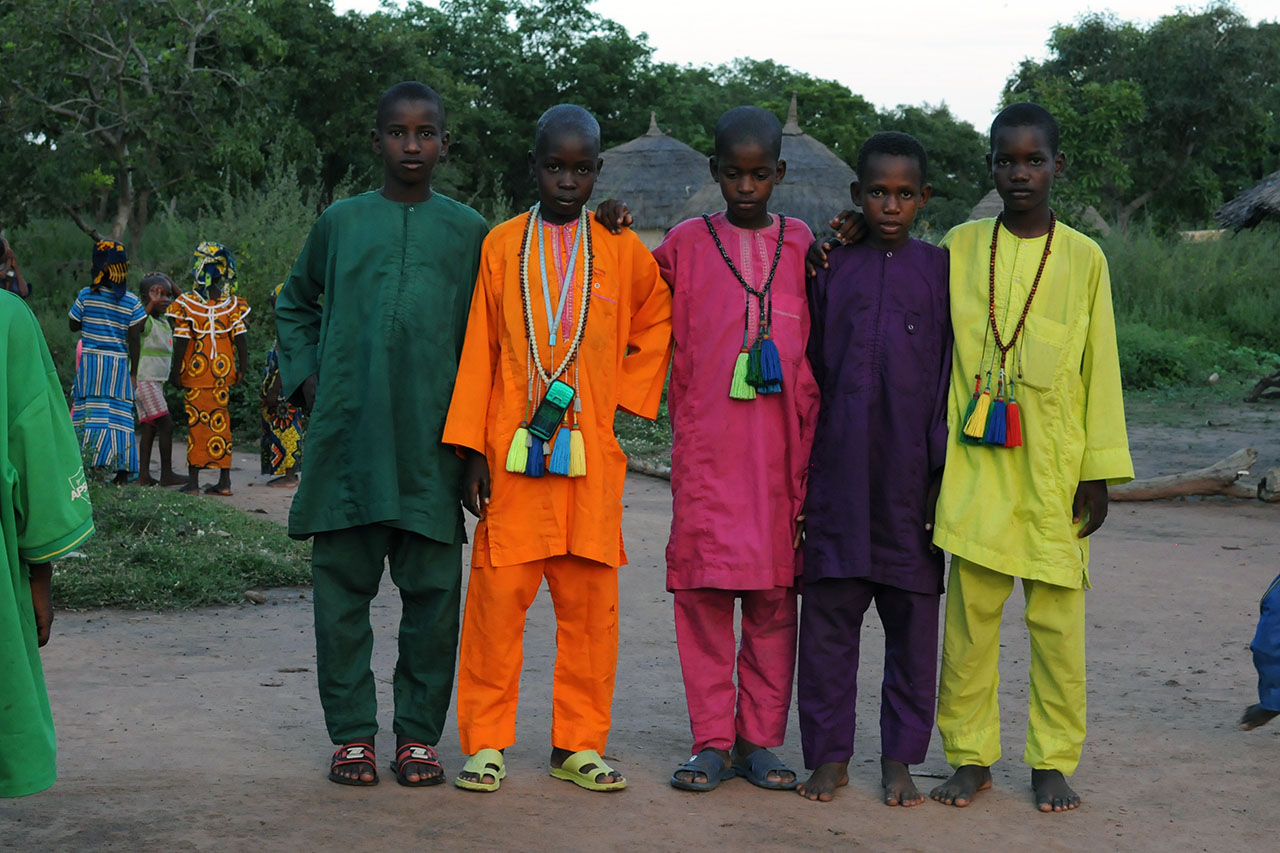
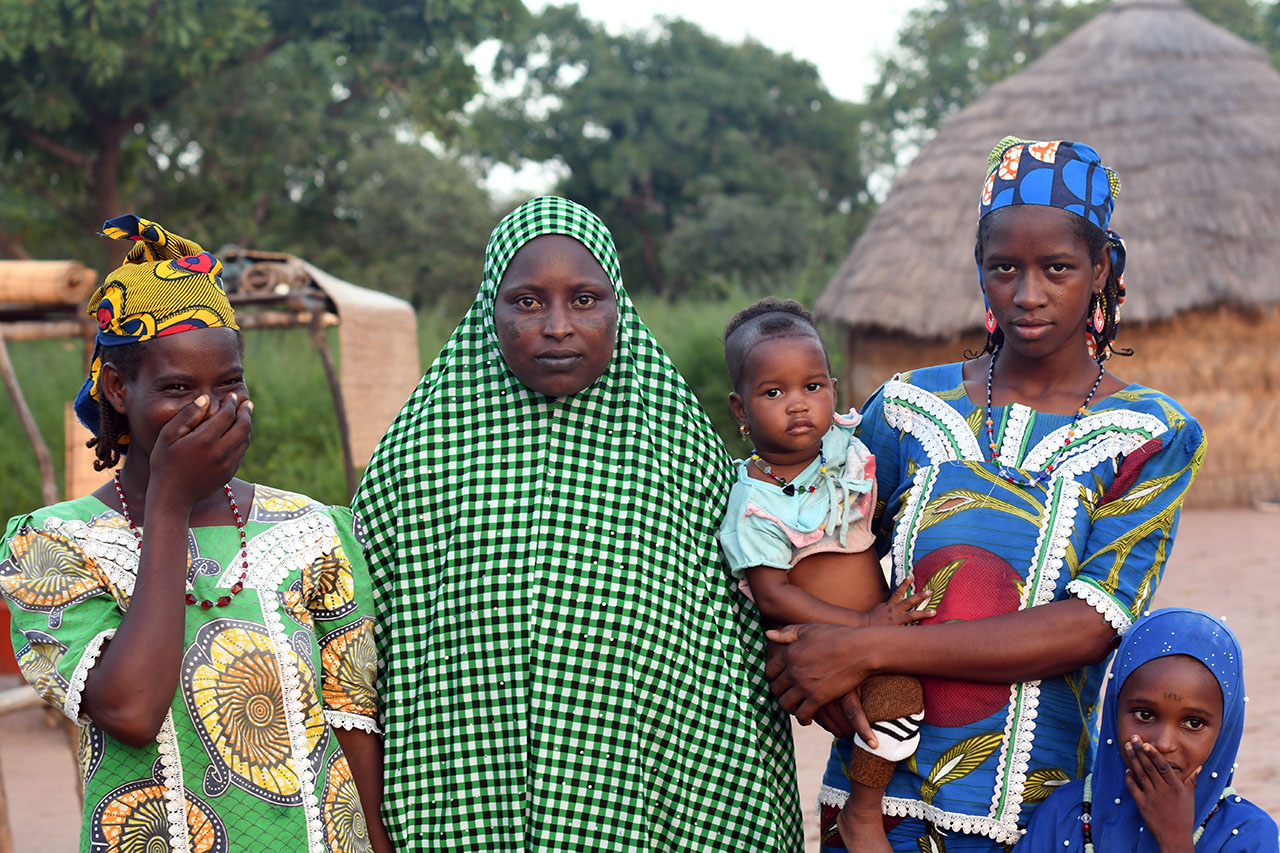
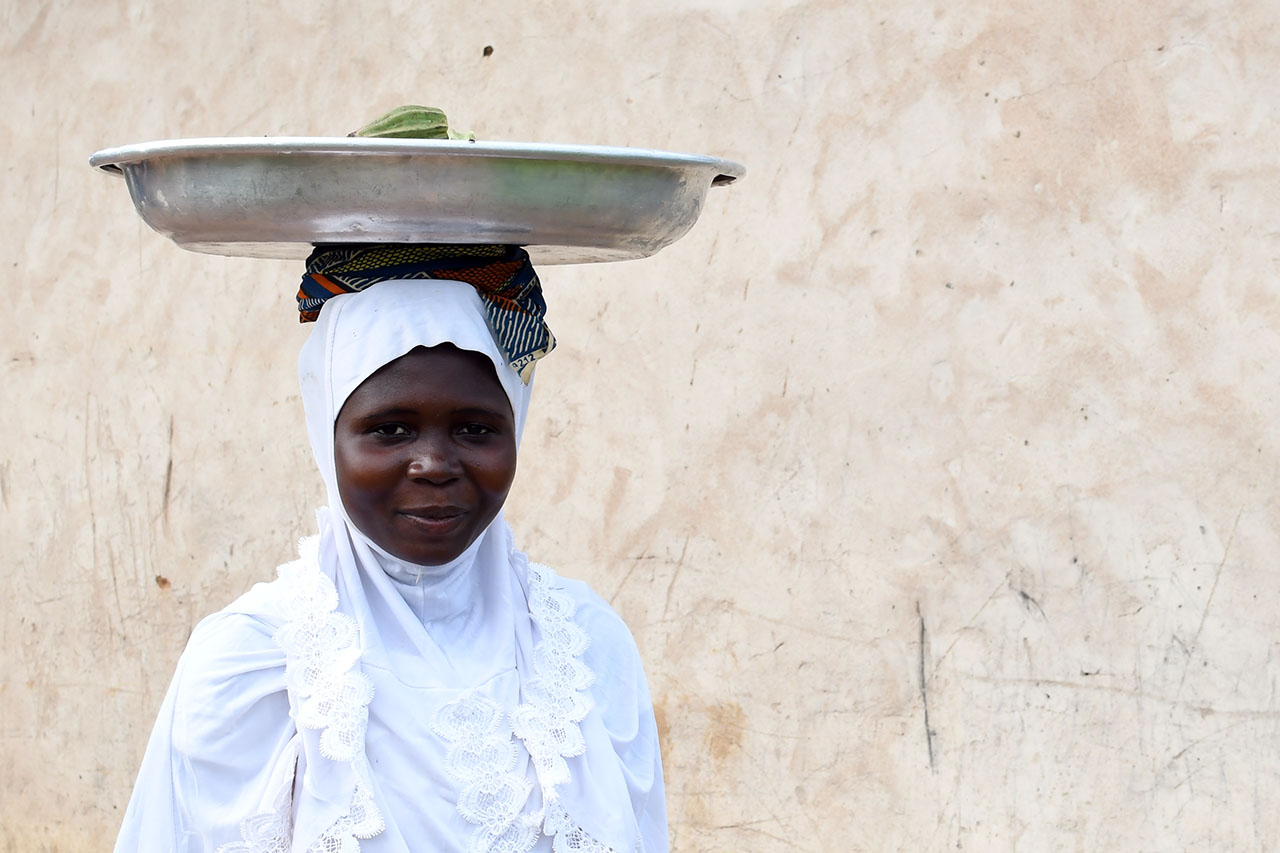
Women were cooking dinner and caring for the children. Almost all of the women had colorful head coverings. They were delighted to see their portraits on the LCD panel of my camera. After one picture, one of the women got a panicked look and ran back into her hut to gather up a green and white checked covering. I retook the photo. As we have become accustomed to, smiles quickly disappear as soon as I raise the lens. Long beaded necklaces dangled and swayed as the women went about their work. Colorful tassels distinguished the men’s necklaces. Rather than batik, their dresses were made from imported prints decorated with rickrack and short white fringe. Many of the men wore the traditional galabia in bright solid colors. The Sheik’s son, Sayed, was learning Arabic, and spoke for village. He explained that we would not be able to visit the Sheik because he is not in the village right now. Even if he were in town, we would not have been allowed to visit without first an invitation, and then sitting in the courtyard and waiting for up to an hour. Then we would have been allowed in.
A Fulani shepherd
After warming up, we were able to talk, joke, and laugh with the men that were not with their cattle. The Fulani are beautiful, timid, and isolated from the host country in which they reside. We pray that Pastor Joseph and his wife will continue their outreach to the Fulani, showing them the love of Jesus.
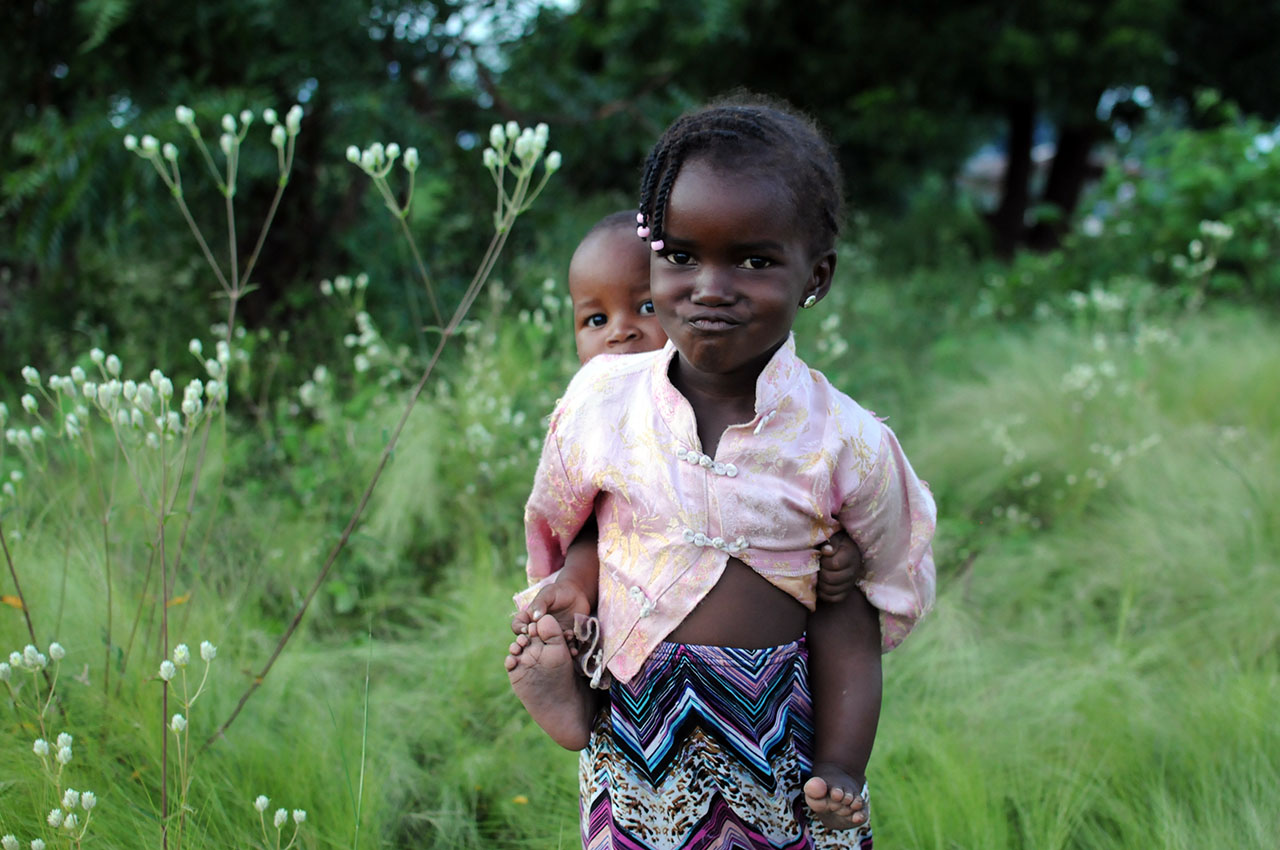
Some pictures from Pastor Joseph’s Gonja village (not Fulani)
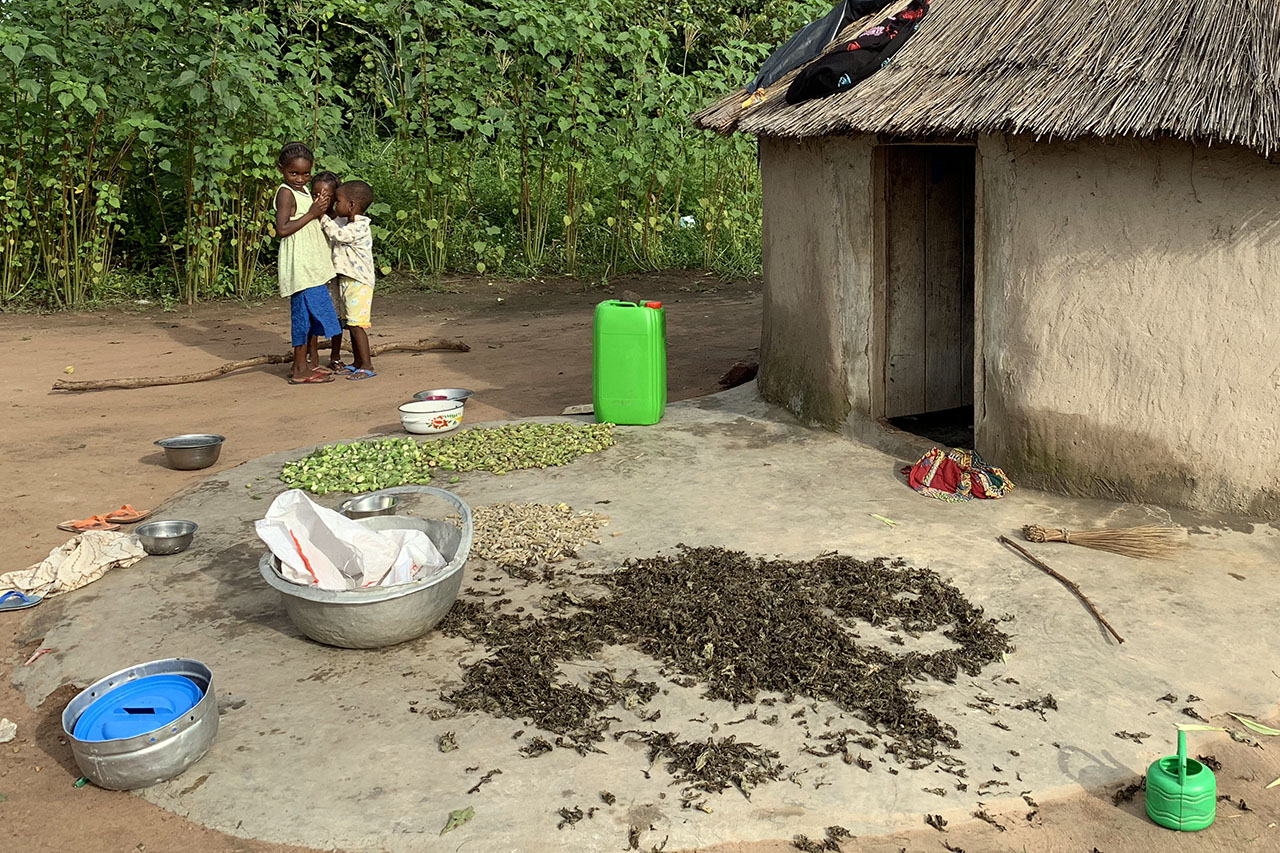
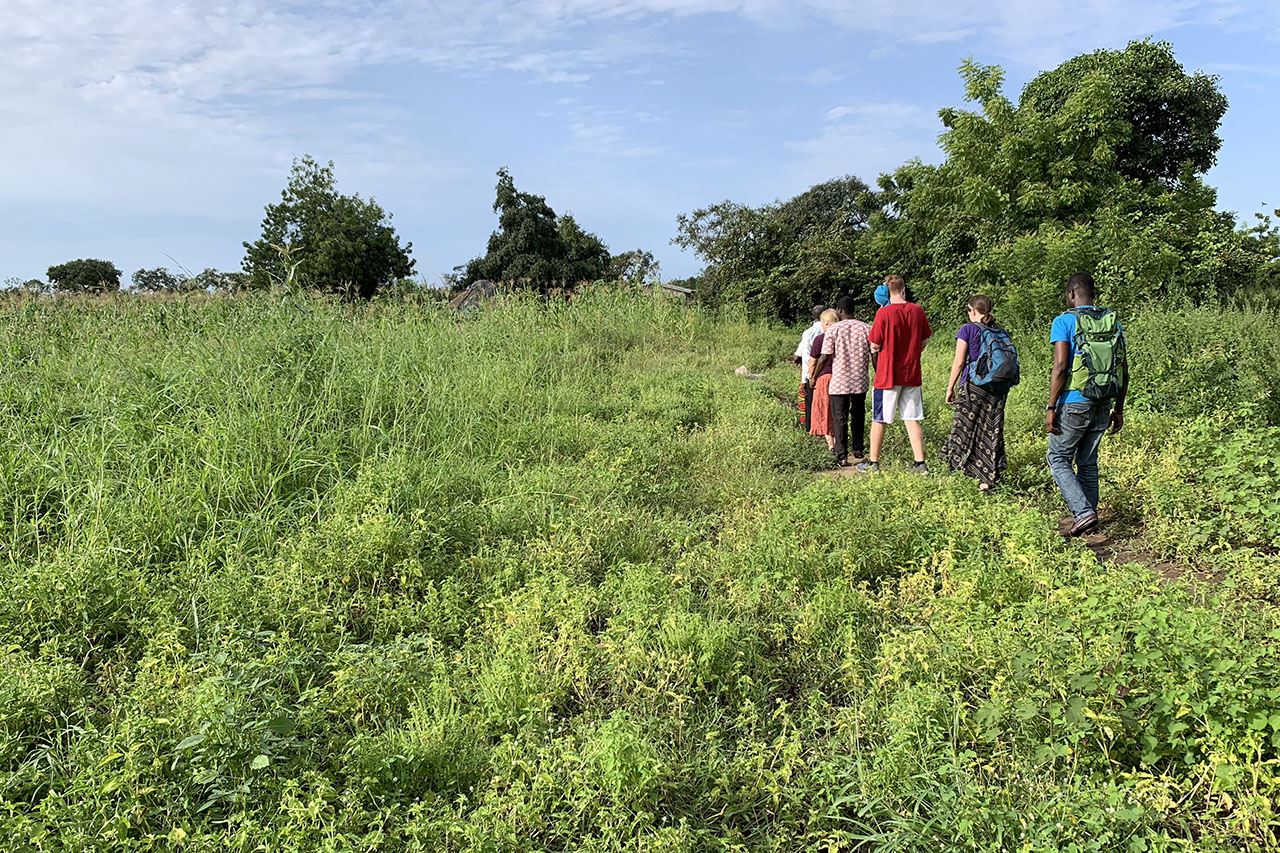
Food, including okra and peppers, drying outside a hut.A hike through the farms to a more remote Gonja village
Pastor Joseph is Gonja. When he was a young man, his father decided to pay Fulani to watch his cattle. Joseph became friends with one of the Fulani’s daughters, Fati. The Gonja tribe are Muslim, and so are the Fulani, yet everyone knew it was taboo for Joseph to be with Fati. The taboo was not simply because the Fulani are on the cultural fringe, but in fact hails back to the founding of the Gonja kingdom in 1675 by the great warrior king Sumaila Ndewura Jakpa. Joseph is soft spoken, yet as he explained his tribe’s history, his speaking quickened, he was recounting an oral history that had been passed down for generations. He explained that the mighty Gonja warrior king conquered many nearby lands and tribes, giving the Gonja the largest territory in northern Ghana. There may have even been fleeting moments of pride as the pastor explained his tribe’s history. However, as Joseph went on, his voice changed. He explained that the King’s success on the battlefield was attributed to the very powerful dark juju (magic) of a Fulani man aiding the King. The sacrifices and talismans he made gave Sumaila Ndewura Jakpa invincibility on the battlefield. The Fulani had a most beautiful wife, and the Gonja men were very interested in taking her. The King, whose expanding empire was attributed to the powerful juju of the Fulani, understood that not only was his kingdom at risk, should the beautiful wife be taken, but given the Fulani’s powers, his very life could be at stake.
King Sumaila Ndewura Jakpa made a proclamation. Not only would no Gonja man touch the Fulani’s wife, but in fact no Gonja man would ever be with any Fulani woman… ever. That taboo, set by the founding king more than 300 years ago in Gonja-land, remains today. As westerners, it is hard for us to even imagine how powerful and pervasive such a Taboo can be. Gonja men are allowed to marry women of at least four other tribes, but the Fulani women may not be touched. In this region of Africa, from the facial scars marking tribal membership to the names given children, people know their cultural boundaries, and their taboos, well.
At this point, Pastor Joseph began to explain how he left Islam and became a Christian. Naturally, his father and entire family were displeased. Leaving Islam is quite a serious matter. However, it was his intention to marry a Fulani woman that shocked the village. Breaking that Taboo was unthinkable. He was called in by his father to explain.
With vigor in his voice and posture, Joseph recounted what he told his dad.
“I explained that as a Christian, the Taboo had no meaning. The Bible teaches that ‘There is neither Jew nor Greek, there is neither slave nor free, there is no male and female, for you are all one in Christ Jesus.’ [Galatians 3:28]”
It may not be surprising to learn this new freedom, that we were all one in Christ, did not immediately persuade his Gonja family members. He was told that if he married the Fulani woman, he would fall into ruin financially, and would surely die within a year.
His elder father (grandfather) wrote him a letter, summoning him to come to his village to discuss the matter. It was a very grave matter, not only for Joseph, who intended to break the Taboo, but for the entire family. Joseph was told, from the highest authority in the family, that financial ruin and death would be his future if he violated king Sumaila Ndewura Jakpa’s 300-year-old edict. Yet Joseph had decided to put his trust in a greater king, one that forgives, and under whom all are equal in Christ – under whom there is no separation of peoples.
With a broad smile, Pastor Joseph shared that he and his wife have been married over 30 years. They have children, and a thriving ministry reaching out to the Fulani. “The taboo has been broken, and everyone in my family knows I am free”.
Some photos from the day…
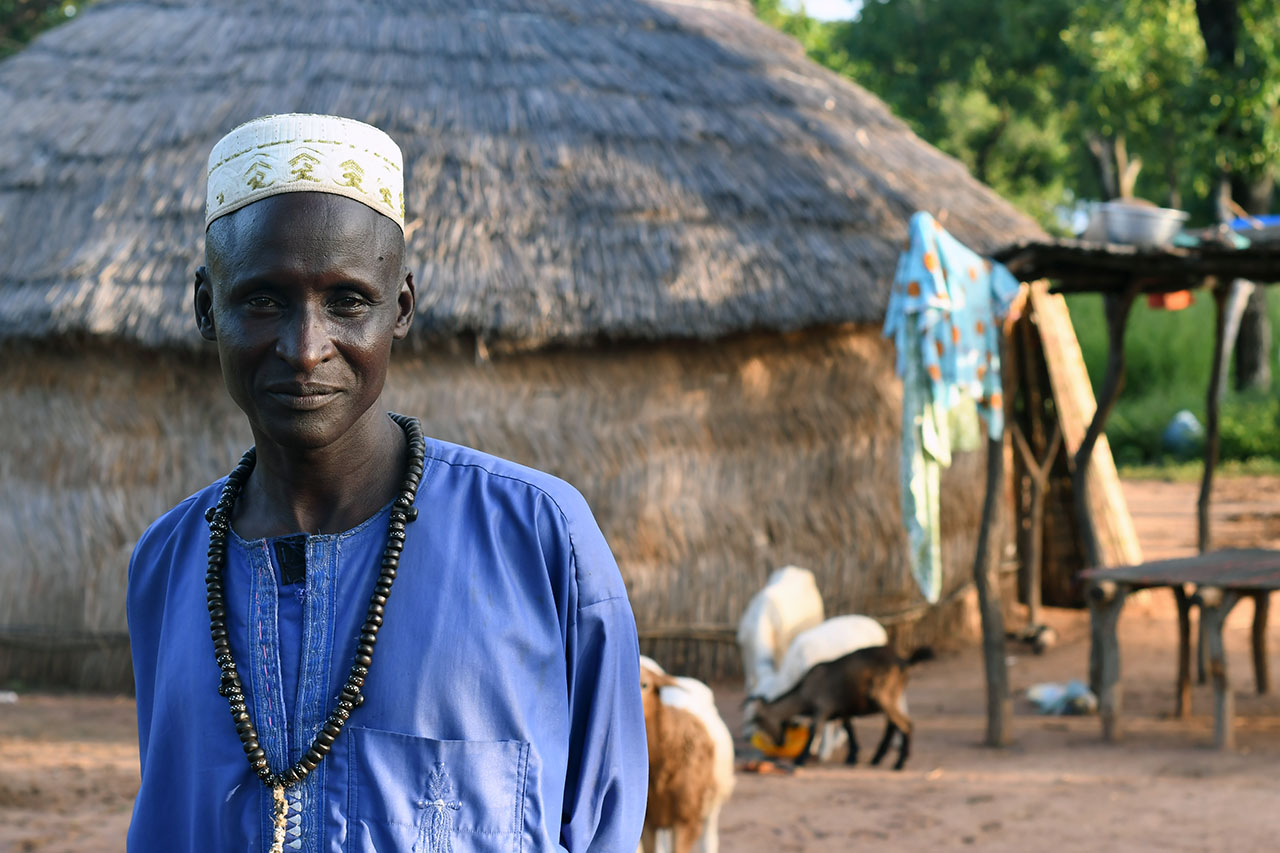
djallo, one of the Fulani Christians in Buipe.
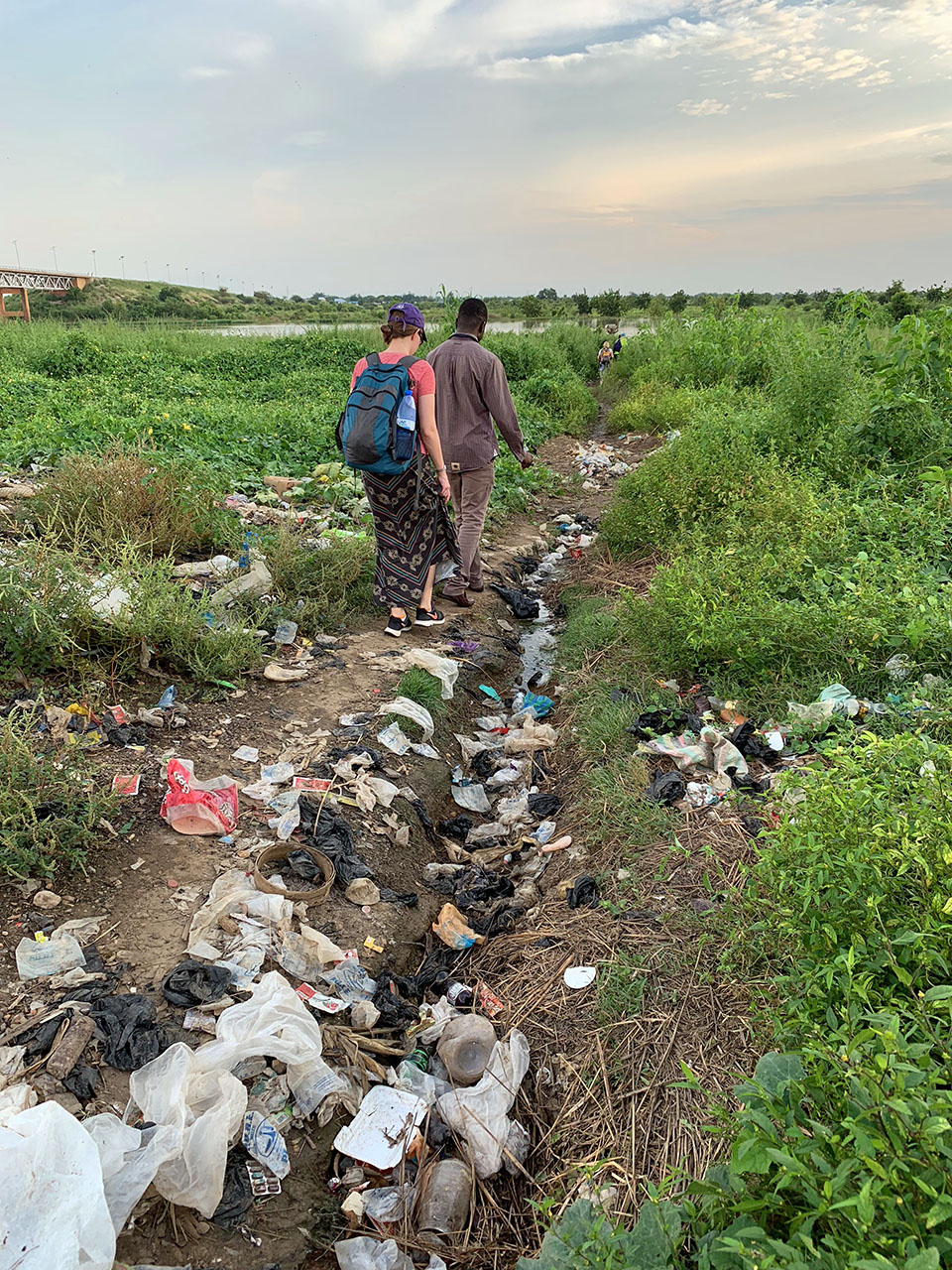
A trip to the river which joins with the Volta
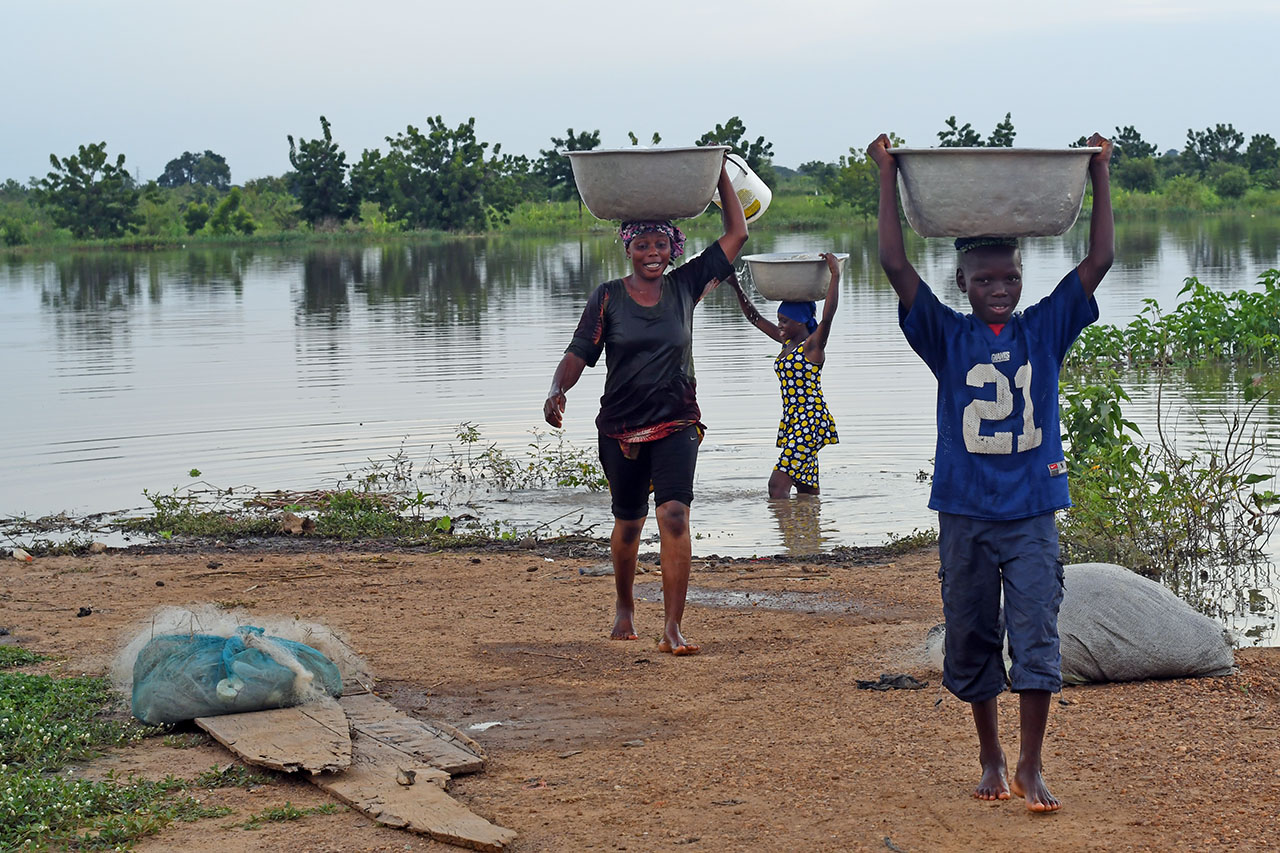
We walked to the river, through a small village, where the raw sewage and trash trickles down the hill and into the river. At the small landing, where the sewage flowed into the river, canoes arrived with their nets and women filled their water basins.
We are almost home. The trip was great. Thank you for everyone back home praying and following along. We remained mostly healthy and competed the first version of the Bimoba BiblePlus+ unit for the people of Ghana and Togo. We will make a final final “safe at home” post when we land in Chicago. Everyone has shared a few words from the trip below.
-Pete
—–
Kaitlyn’s Post:
Kaitlyn and Beth with our host, Nana Adwoa
One more day! Now that we’re so close, I am really excited to just be back home. Our work here is finished, and I can’t wait for a long hot shower, to sleep in my own bed, and to eat a hamburger. But I’m also excited for some more time to get to process everything that’s happened this trip, once it’s all said and done. Ghana has been tough, from adjusting to the food, heat, and lack of amenities, to some problems that only I’ve dealt with, like some stomach issues and a nasty beetle sting. But I’m glad that I came. I think it’s really easy for me to forget people’s need for Jesus, and the urgency of this need, but being here among people who don’t have very much, in a place where the average life span is much shorter than the US and where gray hair is an uncommon sight, it’s easier to see the need for a hope beyond this world, and for people to hear about this hope. And in seeing this need in others, I’ve been made more aware of it in myself – how much I need Jesus, every moment of every day.
I will miss the bright colors of the clothing and buildings here. I will miss how wonderful it is to drink a cold Coke after a long hot day of recordings (Beth was right, it does just taste different here.) But mostly I will miss the people. From the pastors wives we talked to who told us about being asked to be missionaries by the church and joyfully following, to every person who recorded a testimony that crescendoed until they were almost shouting about how Jesus had changed their lives, to Pastor Ray, who stopped driving approximately every five minutes to ask another person if they have a personal relationship with Jesus. While I am going home, back to many of the comforts I am used to, these people will remain here, continuing to share the love of Jesus with people and to do this work that is so important and so needed here. And I’m so excited to receive updates and to continue to see how God works in Ghana, West Africa through them and through the BiblePlus+ units we worked on this trip.
I hope you have enjoyed following our adventures on the blog. Daniel and I have many hilarious and cool stories that did not get posted and that we would love to share, so feel free to ask. God has been so good to us this trip, and the work that is being done here, with the BiblePlus+ units, the Jesus Film riders, and the local churches, is reaching so many people. Whether by coming back here again in person, or supporting and praying for this work back home, I definitely plan to stay involved and can’t wait to see how God continues to use these ministries!!
May God bless you and keep you and make his face shine upon you!
Kaitlyn
——
Daniel’s Post:
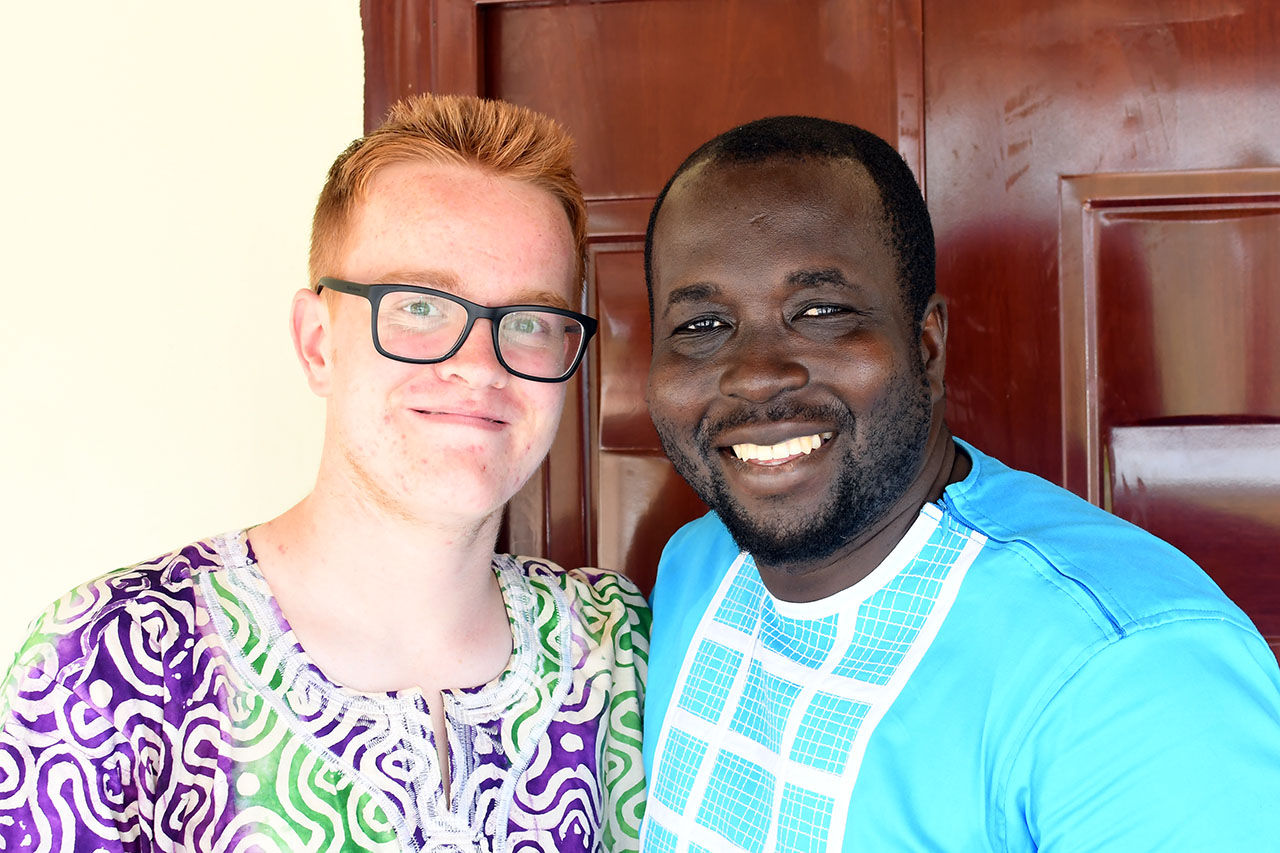
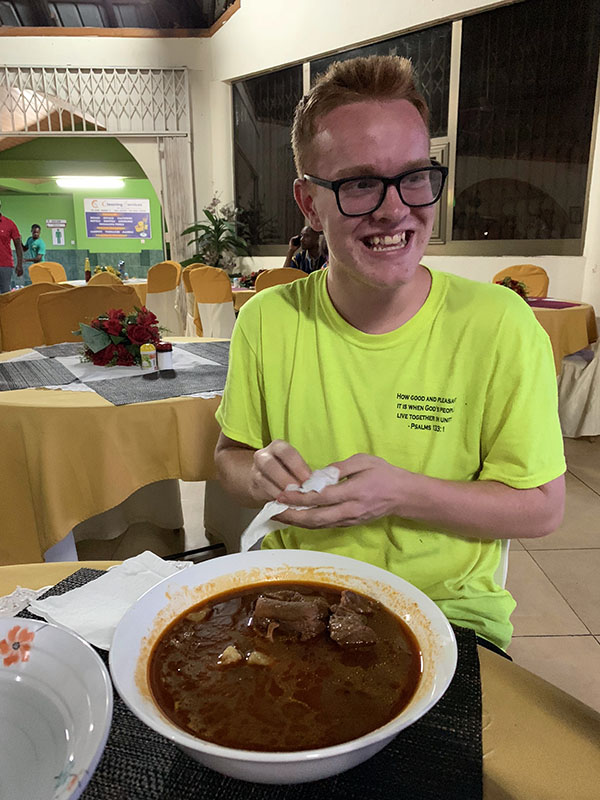
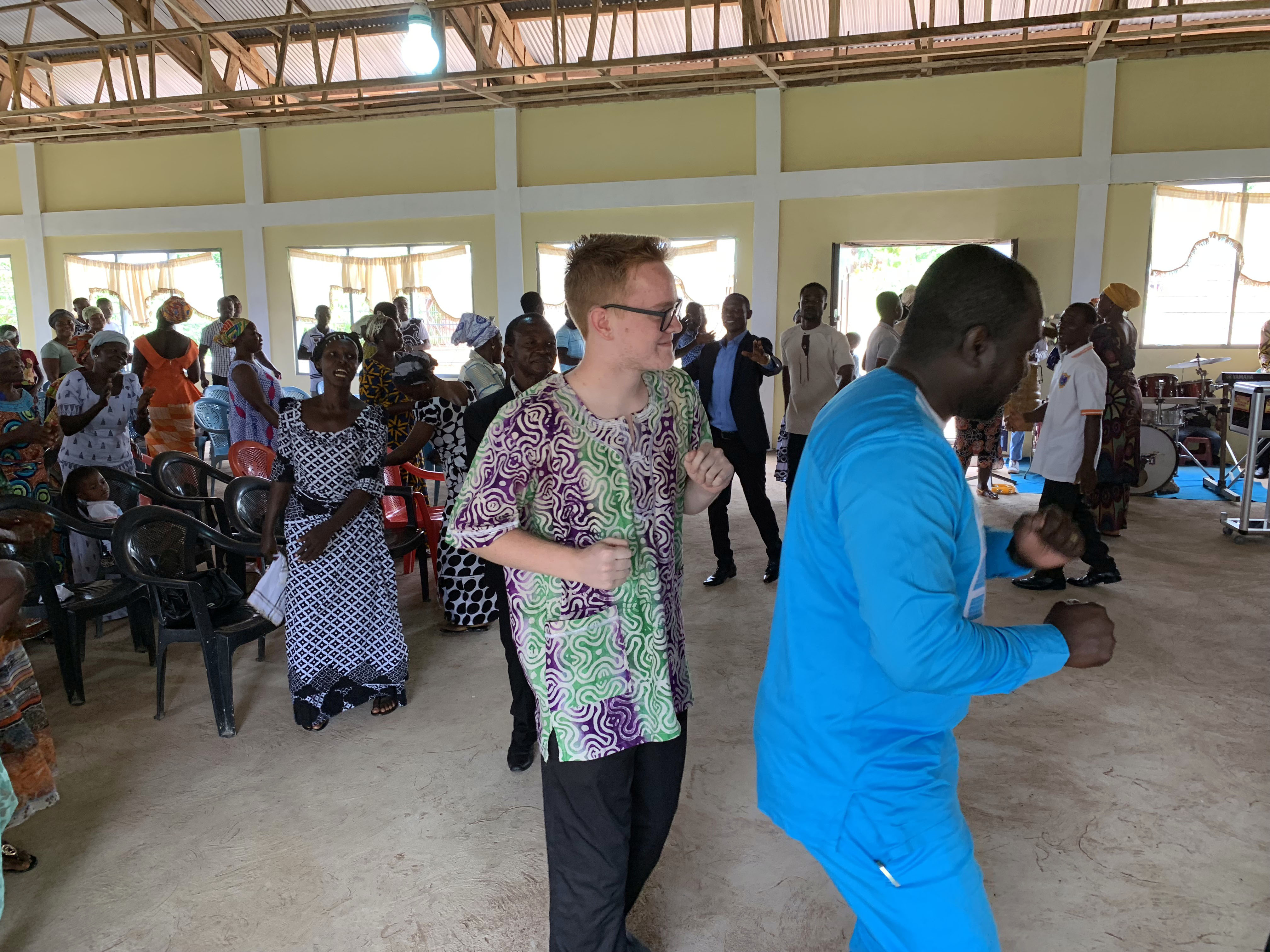
Super White meets Super Black, the Ginga and the FantiDaniel burns his fingers on the goat fu fu (which you eat by plunging your fingers in and grabbing some of the starchy goo hidden under the soup)Daniel does some church dancing. There is a season for everything…
It’s really hard to believe that we are flying out of Accra in less than 12 hours. That’s just crazy. These last ten days have both flown by and felt like an entire month at the same time. Every single day of our trip was so packed with awesome and exciting things and stretched from sunrise until well after sunset, yet it still feels like we just arrived in Accra for the first time yesterday. Getting to meet so many people here and listen to all their stories and testimonies has been truly incredible and life changing. I have never met so many people who are all so passionate about one true goal, to serve the Lord with their whole selves and live their lives for him. Hearing about how so many people here have dropped everything to live their lives for God is inspiring and it encourages me and reminds me that putting your trust in God and leaning on him are both things that will never let you down in life. Another thing that has really hit me this trip, especially yesterday when we had the privilege to go to another Ghanaian church service in Kumasi, is that it is really amazing and wonderful that these people who live thousands of miles away from us and experience an entirely different culture are able to praise and worship the same God that we can back in America. Like how absolutely amazing is it that one God created everything on earth and loves all of us even though we are all so different, and we all have the opportunity to be a part of his body and worship him. That just really makes me think and reminds me how awesome and powerful our God truly is.
It is going to be very hard to leave this place and these people, but Ghana will always have a place in my heart. Seeing the passion and the fire that these people have for Jesus is amazing and hearing all of their stories about what God has done in their lives is incredible. This really has been a life changing trip and I hope that someday I will be able to come back here again. I can’t wait to see what God has planned for this country and His people.
Daniel
—–
Beth’s Post:
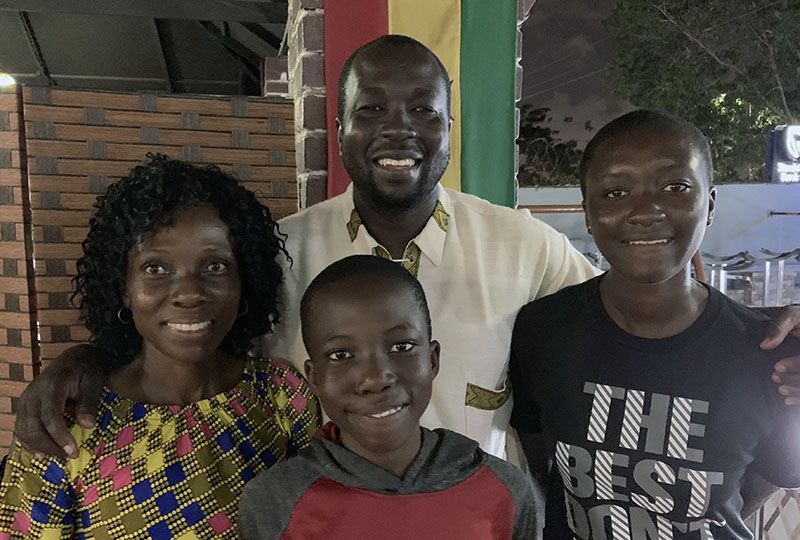
Saying goodby to the Mensah family
Mission accomplished! Eight minutes before we loaded the car to head to the airport, we completed ten Bimoba BiblePlus+ units to leave behind for review by pastors and leaders in Bunkpurugu. We recorded 39 tracks to add to the Bimoba New Testament and Global Recordings Network (GRN) stories found online. As we listened to the tracks, it brought smiles to my face to recall the beautiful people we recorded just days before. This is a great start to the Bimoba BiblePlus+…we should easily be able to finish this language in an upcoming recording trip! Due to the nomadic nature of the Fulani people and their deep roots in Islam, it will take some strategic planning and creativity to find more Fulani Christians to record which might include a follow-up trip to Burkina Faso. Ray also has made some new connections in Chad and Madagascar, and they are very interested in working with us on creating a BiblePlus in their local tongues. Wow!!Praying that God will continue to provide all resources needed to equip these humble and sacrificial pastors and leaders as they serve their own people!
Each trip to Ghana is a unique adventure with new people and new stories, sometimes new people groups and new languages. This is great fun! Yet, I’ve also enjoyed seeing familiar faces, including Ray and his family, Jeff and Laurie Korum (our awesome hosts in Accra), the Jesus Film missionaries, and sometimes people we recorded on previous trips. These friendships continue to grow, and we thank God for the opportunity to serve as part of this team of selfless and committed people!
What do I look forward to when I get home? Catching up with family and friends, and beginning plans for the next adventure!
Thanks everyone for your prayers and support. It was an exhausting trip — the best kind :-), but now it is time to catch up with life here in the suburbs and begin work on the next project.
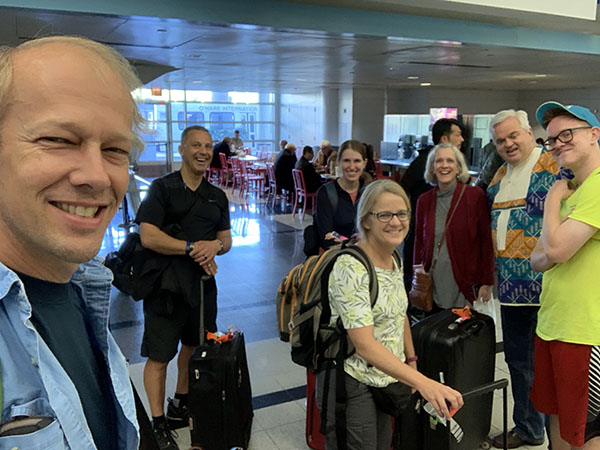
Back at Ohare
Joe, my college room mate from 1985 came to pick Beth and I up at the airport, and John (in the spiffy African shirt) and Kim came to retrieve Kaitlyn and Daniel. Beth and I went home to warm showers and take-out sushi with Emily and Joe. The Macs caught up on real American burgers. Looks like we each have different comfort food :-)
Come back and watch this blog space in February 2019, we may try and shift our yearly trip back to February (we got pushed to the October schedule a couple years ago when I was sick).